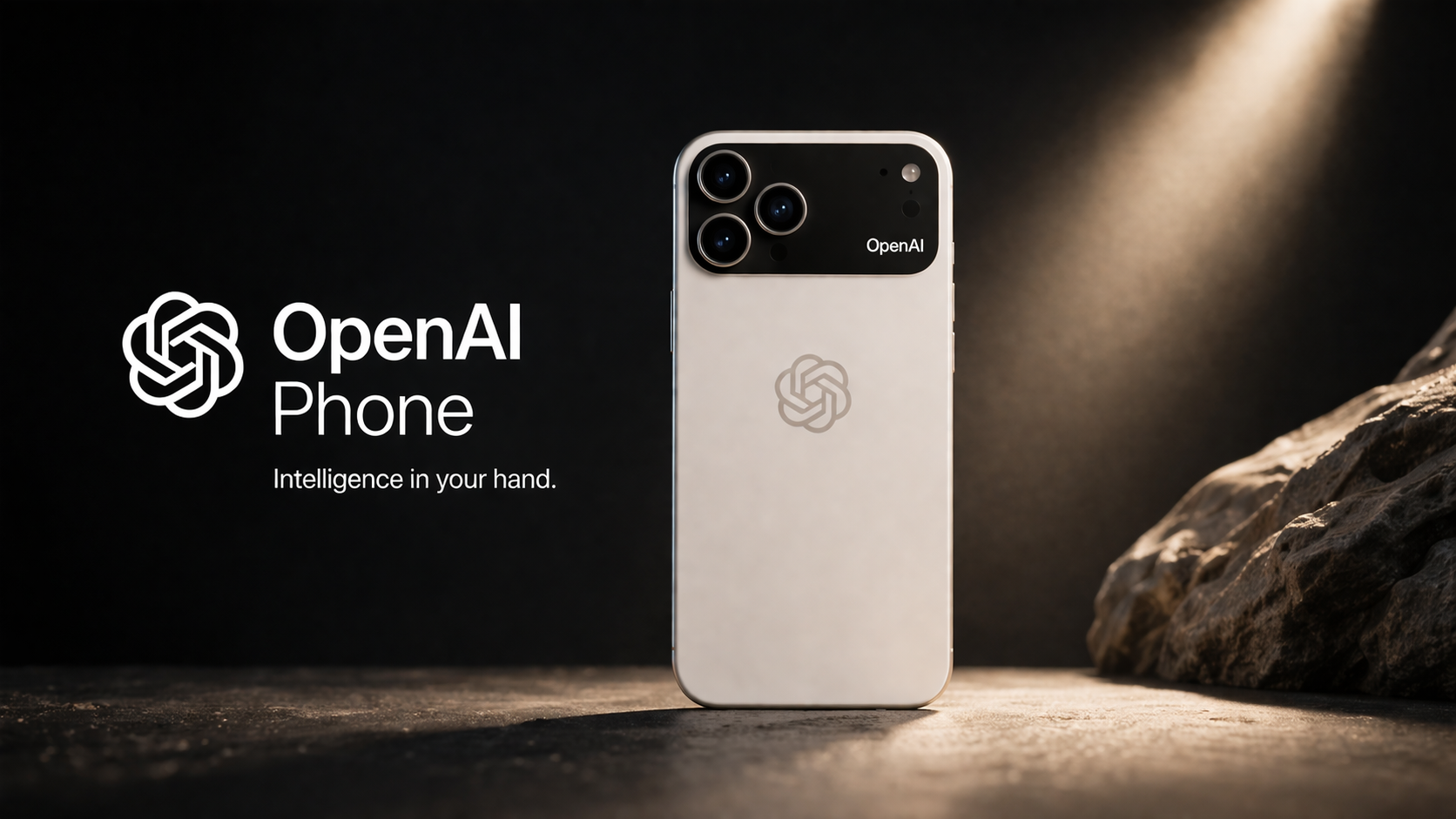

A prominent technology analyst has predicted that an OpenAI branded smartphone will arrive sooner than many in the industry anticipated, potentially featuring a chipset from MediaTek. The forecast, released by TF International Securities analyst Ming-Chi Kuo, has sparked discussions about the future of artificial intelligence hardware.
Kuo, who is widely followed for his accurate predictions regarding Apple products and supply chain developments, stated that the OpenAI phone could be ready for market as early as 2026. This timeline is notably ahead of previous estimates that placed the device’s release closer to the end of the decade.
The device is expected to run on a custom designed MediaTek processor, a choice that signals a focus on efficient AI processing and power management. MediaTek has invested heavily in on-device AI capabilities for its Dimensity series of chips, making them a suitable candidate for a product centered around OpenAI’s generative models.
The partnership would represent a major shift in the mobile chipset market, where Qualcomm currently holds a dominant position in the high-end segment. If confirmed, this collaboration would be one of the most significant integrations of large language model technology directly into a consumer smartphone.
Kuo’s analysis suggests that the device will not be a conventional smartphone in the traditional sense. Instead, it is expected to be a dedicated AI terminal, designed to prioritize conversational interfaces and agentic tasks over conventional app based functionality. The phone could feature a radically different operating system that minimizes traditional app icons in favor of voice and text based commands powered by GPT models.
Background and Industry Context
The prediction follows a series of moves by OpenAI to expand beyond software. The company has reportedly been in discussions with former Apple designer Jony Ive to design a new hardware device. While those talks have not resulted in a public product, they underscore the company’s long standing ambition to control the user experience from hardware to software.
OpenAI’s CEO, Sam Altman, has previously stated that the company is exploring custom silicon options to reduce reliance on Nvidia for training and inference. Developing a smartphone chip would align with this strategy, allowing OpenAI to optimize performance for its own models.
MediaTek’s involvement would also provide a cost advantage. The company is known for offering competitive pricing compared to Qualcomm, which could help OpenAI bring the device to market at a more accessible price point. However, Kuo did not specify a target price in his report.
Reactions and Implications for the Market
The analyst community has reacted with a mix of skepticism and cautious optimism. Some analysts point out that entering the smartphone market is extremely difficult, even for a company with OpenAI’s brand recognition and financial resources. The market is currently dominated by Apple and Samsung, and previous attempts by new entrants have largely failed.
However, Kuo’s track record gives the prediction weight. He accurately predicted the iPhone’s shift to OLED displays, the removal of the headphone jack, and the timeline for Apple’s transition to its own custom chips. His forecasts are based on supply chain checks and component order data, which he argues point to early development work at MediaTek.
The potential entry of OpenAI into the smartphone space comes at a time when major handset makers are integrating AI features. Google has made AI the centerpiece of its Pixel line, and Samsung has partnered with Google to bring Gemini to its Galaxy devices. An OpenAI phone would introduce a third major player into the AI smartphone ecosystem.
Privacy and data security remain open questions. A device that relies heavily on cloud based AI processing would need to manage user data responsibly. OpenAI has faced scrutiny over data handling practices, and a consumer device would intensify that focus.
Expected Next Steps
No official announcement has been made by OpenAI or MediaTek regarding the project. Kuo’s forecast is based on industry sources and supply chain analysis rather than confirmed corporate plans. Readers should treat the information as speculative until such time as the companies involved provide official confirmation.
If the timeline holds, a prototype could be revealed in late 2025, with mass production beginning in the first half of 2026. This would give OpenAI roughly two years to finalize the hardware design, secure partnerships with carriers, and build a distribution network.
The development of a custom AI smartphone would mark a significant step in OpenAI’s evolution from a research laboratory into a consumer electronics company. Whether the market will embrace a phone designed from the ground up for AI interaction remains to be seen.
Source: 9to5Mac