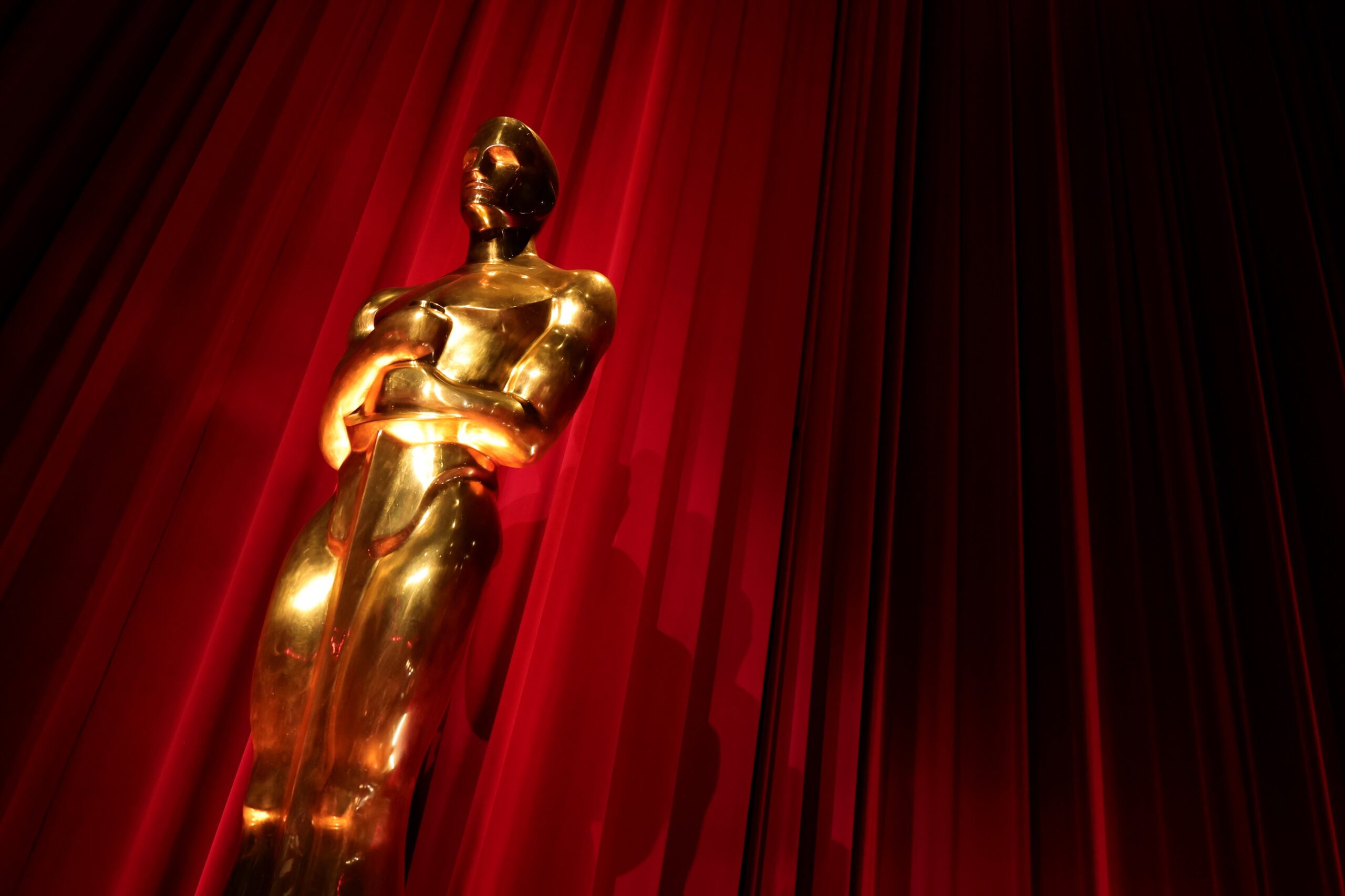

The Academy of Motion Picture Arts and Sciences has confirmed that artificially intelligent performances will not be eligible for Oscars, a move that clarifies the boundaries of human artistry in filmmaking. The new rules, announced on May 1, specify that no AI generated or AI assisted performance can qualify for the Academy Awards, including the widely anticipated 2026 ceremony.
Under the updated guidelines, filmmakers must verify that all submitted work, particularly in acting categories, is the product of human effort. The Academy stated that while AI tools may be used in pre production or visual effects, the core performance must be performed by a human actor. This decision effectively bars digital recreations or synthetic performances from contention.
Background to the ruling
The rule change follows growing concerns within the entertainment industry about the role of artificial intelligence in creative works. Recent legal strikes by writers and actors unions highlighted fears that studios could replace human talent with AI generated content. The Academy’s ruling is seen as a direct response to those anxieties, establishing a formal barrier between human and machine contributions to cinema.
The Academy previously had no explicit policy regarding AI performances. The new regulations close a potential loophole that would have allowed studios to submit films featuring digitally generated actors. For example, the recent film “The Wild Robot” used an AI character named Tilly Norwood, but under the new rules, such performances cannot be nominated.
Implications for filmmakers
Directors and producers are now required to disclose the extent of AI involvement in their projects. The Academy will review submissions to ensure that AI was not used to create or significantly alter a performance. This includes fully synthetic characters and performances where AI tools replaced human voice, movement, or facial expressions.
The ruling does not ban the use of AI in other aspects of filmmaking. Visual effects teams, sound engineers, and animators may still use AI tools to assist with production tasks. However, any nomination that relies on a performance primarily generated by AI will be disqualified. The Academy has not yet clarified how borderline cases, such as deepfake corrections or digital de aging, will be evaluated, but the emphasis is on preserving the human element in acting.
Reactions from the industry
Unions representing actors and writers have largely welcomed the decision. The Screen Actors Guild American Federation of Television and Radio Artists (SAG AFTRA) stated that the ruling affirms the value of human creativity and protects performers from being replaced by algorithms. The Writers Guild of America also expressed support, noting that the move sets a standard for ethical use of AI in entertainment.
Technology companies and some producers have expressed caution, arguing that the rules could stifle innovation. Critics contend that the line between human and AI assisted work is increasingly blurry and that the Academy may need to revisit the guidelines as technology evolves. The Academy has acknowledged these concerns and indicated that the rules will be reviewed periodically to remain relevant.
Looking ahead
The new rules take effect immediately for all submissions to the 2026 Oscars. The Academy plans to release detailed compliance guidelines in the coming months. Industry observers expect that the ruling will influence other major awards bodies, including the BAFTAs and the Golden Globes, to develop similar policies. The decision marks a significant step in defining the ethical boundaries of artificial intelligence in creative industries, with potential ramifications extending beyond film awards into broader labor and intellectual property legislation.
Source: Reuters