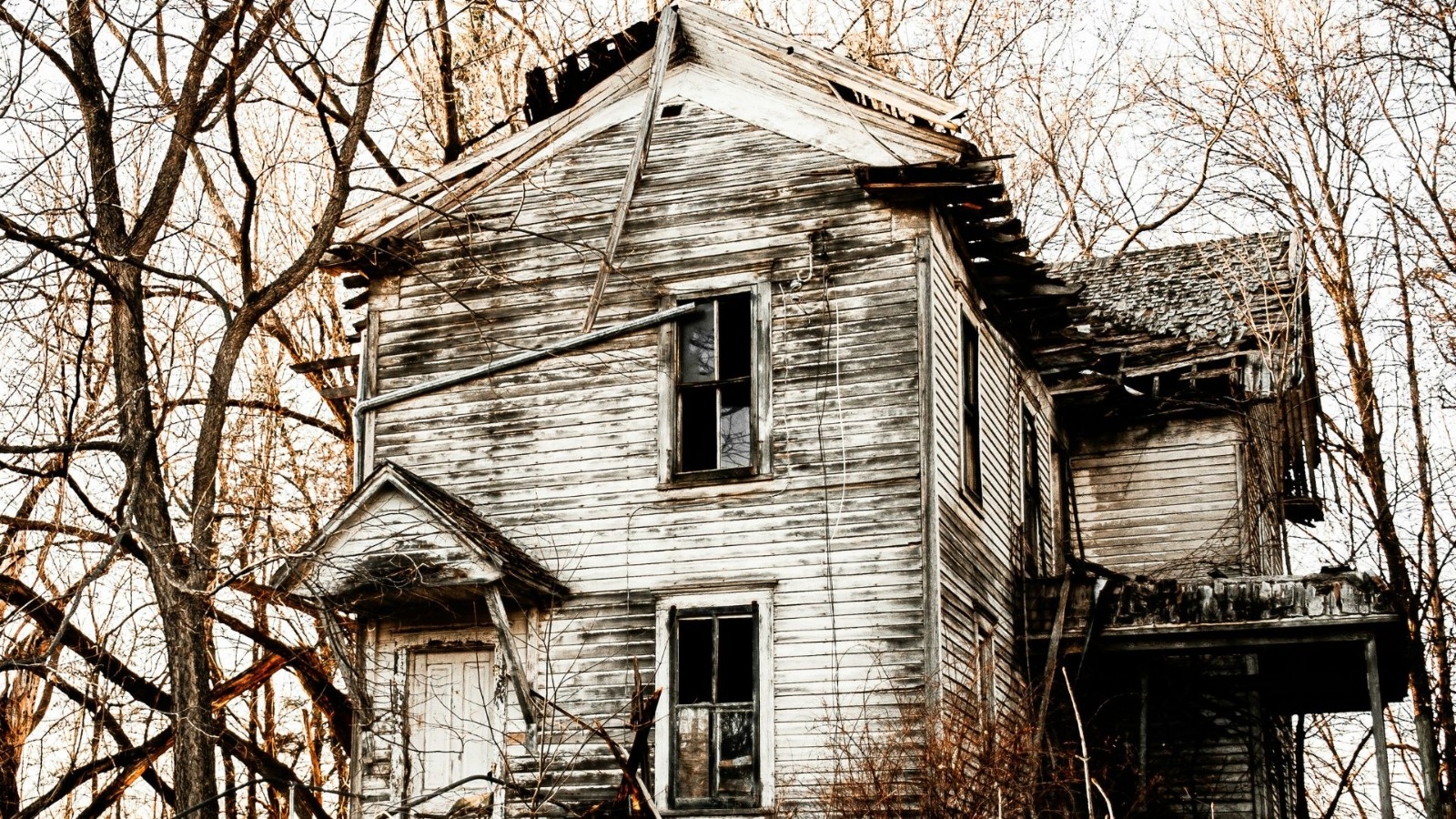

A team of scientists has offered a rational explanation for the unsettling sensation many people experience when entering old or abandoned buildings. The feeling of a space being haunted or “spooky” may not stem from paranormal activity, but from measurable environmental and psychological factors.
The research, conducted by a group of environmental psychologists and building scientists, focuses on how specific architectural and sensory cues trigger feelings of unease. The study provides a factual basis for sensations often attributed to ghosts or supernatural forces.
Environmental Triggers for Unease
Researchers have identified several key elements that contribute to the spooky feeling. One primary factor is infrasound, low-frequency sound waves below the range of human hearing that can cause feelings of anxiety, sorrow, or chills. These sounds, which can be generated by wind moving through a structural gap or by mechanical equipment, are common in older buildings.
Another significant factor is a building’s airflow and temperature patterns. Drastic temperature shifts, sudden drafts, and uneven thermal pockets can make individuals feel as though they are not alone. The human brain can interpret these physical sensations as the presence of another entity.
The Role of Visual and Spatial Perception
Visual cues also play a critical role. Dim, flickering lighting and asymmetrical layouts that block sightlines can create a sense of being watched or unnerved. Scientists point to the brain’s innate threat detection system, which becomes hyperactive in environments that are difficult to visually navigate.
Dr. Alice Vance, a lead researcher in the study, explained that older buildings often lack the consistent, well-lit geometry of modern structures. This lack of predictability forces the brain to work harder, leading to unease. The research suggests that what people perceive as a ghostly presence is often their own neurological response to an unfamiliar and sensorily confusing space.
Implications for Building Design and psychology
The findings have practical implications for architects, real estate agents, and historic preservationists. Understanding the physical triggers of fear can help in designing or retrofitting spaces to reduce feelings of unease without compromising their historical character. For example, improving light consistency or adding minor architectural adjustments can mitigate the spooky effect.
The study also highlights a link between human psychology and the built environment. It reinforces how powerful sensory input, even subconscious input, can shape emotional and cognitive reactions.
Moving Beyond Supernatural Explanations
While the research does not completely rule out the existence of paranormal phenomena, it provides a robust, evidence-based alternative for what people commonly label as haunting. The team plans to expand its research to include even more specific measurements of electromagnetic fields and air pressure variations in different building types.
As ongoing investigations continue, the core message remains clear. The dread one might feel when stepping into an old, empty building is likely a natural reaction to a physical environment, not a ghost story come to life.
Source: Mashable