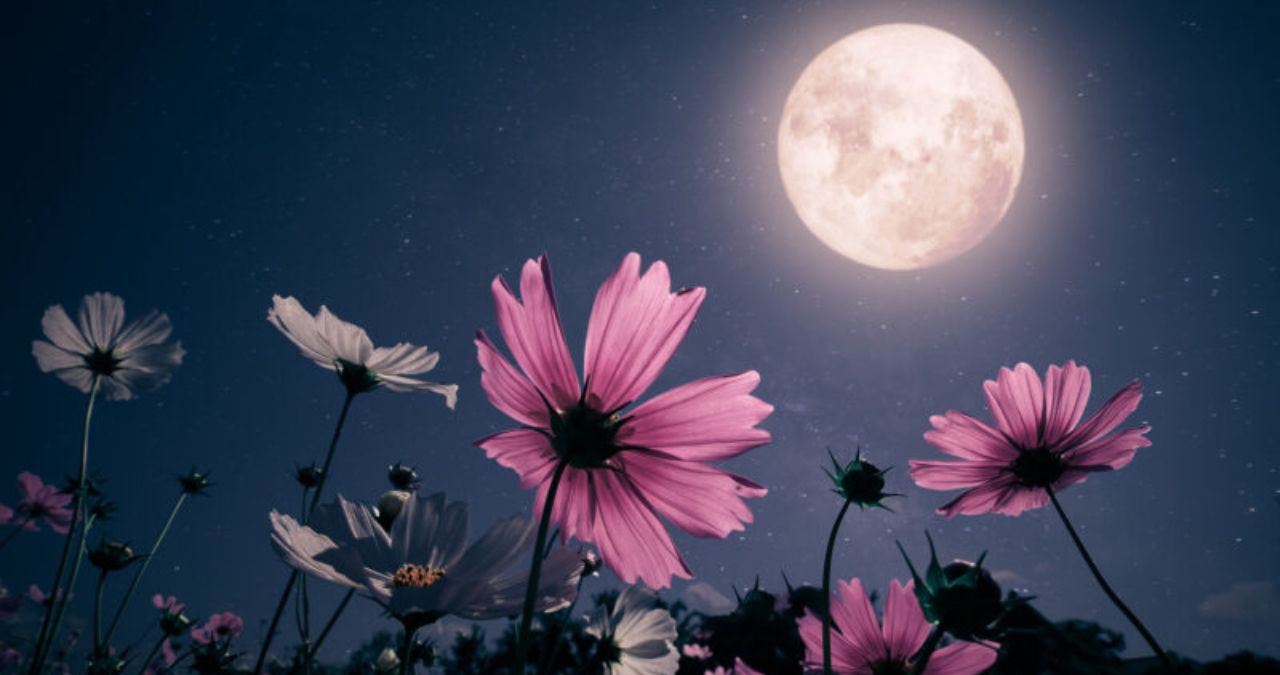

A significant lunar event is set to occur in May 2026, with the spring full moon, commonly known as the Flower Moon, expected to provide clear and striking views for observers in the United Arab Emirates and globally. This astronomical phenomenon will mark the fifth full moon of the year and is traditionally associated with the blooming of spring flowers in the Northern Hemisphere.
For skywatchers in the UAE, the Flower Moon will reach its peak illumination on a specific date and time in May 2026. The event is expected to be visible across the region, weather permitting, offering a prime opportunity for both amateur astronomers and casual observers to witness the fully illuminated lunar disk. The moon’s appearance will be particularly bright due to its position relative to the Earth and the sun.
Date and Time for the UAE
Based on astronomical calculations, the May Flower Moon in 2026 will reach its fullest phase during the early morning hours of May 31, 2026. For the UAE, which operates on Gulf Standard Time (GST), the moon will officially become full at approximately 04:45 GST on May 31. Observers in Abu Dhabi, Dubai, and other emirates should look skyward on the night of May 30 through the early morning of May 31 for the best views, as the moon will appear full and bright for several hours around this peak time.
Global Visibility and Viewing
The Flower Moon will be visible to observers across the Middle East, Asia, Europe, Africa, and Australia. In the Americas, the peak time will occur during the late evening of May 30 local time. No special equipment is required to view the full moon, though binoculars or a small telescope can enhance the view of surface features such as craters and maria. For the best experience, experts recommend finding a location with minimal light pollution and a clear horizon.
The full moon in May is also known by other names in different cultures, including the Planting Moon and the Milk Moon, reflecting seasonal agricultural and natural cycles. The 2026 Flower Moon will occur in the constellation Scorpius, which may add a reddish hue to the moon as it rises, depending on atmospheric conditions.
Livestreaming and Online Access
For those unable to view the event directly due to weather or location constraints, a livestream will be available. The Rome-based Virtual Telescope Project typically hosts a free, public livestream for major lunar events, including full moons. The exact link and schedule for the 2026 Flower moon livestream will be announced closer to the date, but it will generally begin around the time of moonrise over the Roman skyline.
Additionally, the Dubai Astronomy Group and similar organizations in the region often organize public viewing events and may offer online coverage. Observers should check official astronomy websites and social media channels for up to date information on livestream links and local viewing sessions.
Scientific Context and Significance
Full moons occur when the Earth is positioned directly between the sun and the moon, causing the lunar surface to appear fully illuminated from our perspective. This alignment happens approximately every 29.5 days. While the Flower Moon does not represent a rare astronomical event, it remains a significant cultural and observational marker for many communities.
The 2026 Flower Moon is not a supermoon, but it will still appear larger and brighter than a typical full moon to some observers due to the moon’s slightly elliptical orbit. The event provides a consistent opportunity for public engagement with astronomy and for educational outreach programs across the region.
Looking Ahead
Following the Flower Moon, the next full moon in the lunar calendar will be the Strawberry Moon, expected in June 2026. Astronomers and local observatories will continue to publish specific timings and viewing guides for upcoming celestial events. Residents in the UAE and worldwide are advised to check local astronomical societies for confirmed livestream links and viewing details as the date approaches.
Source: Delimiter Online