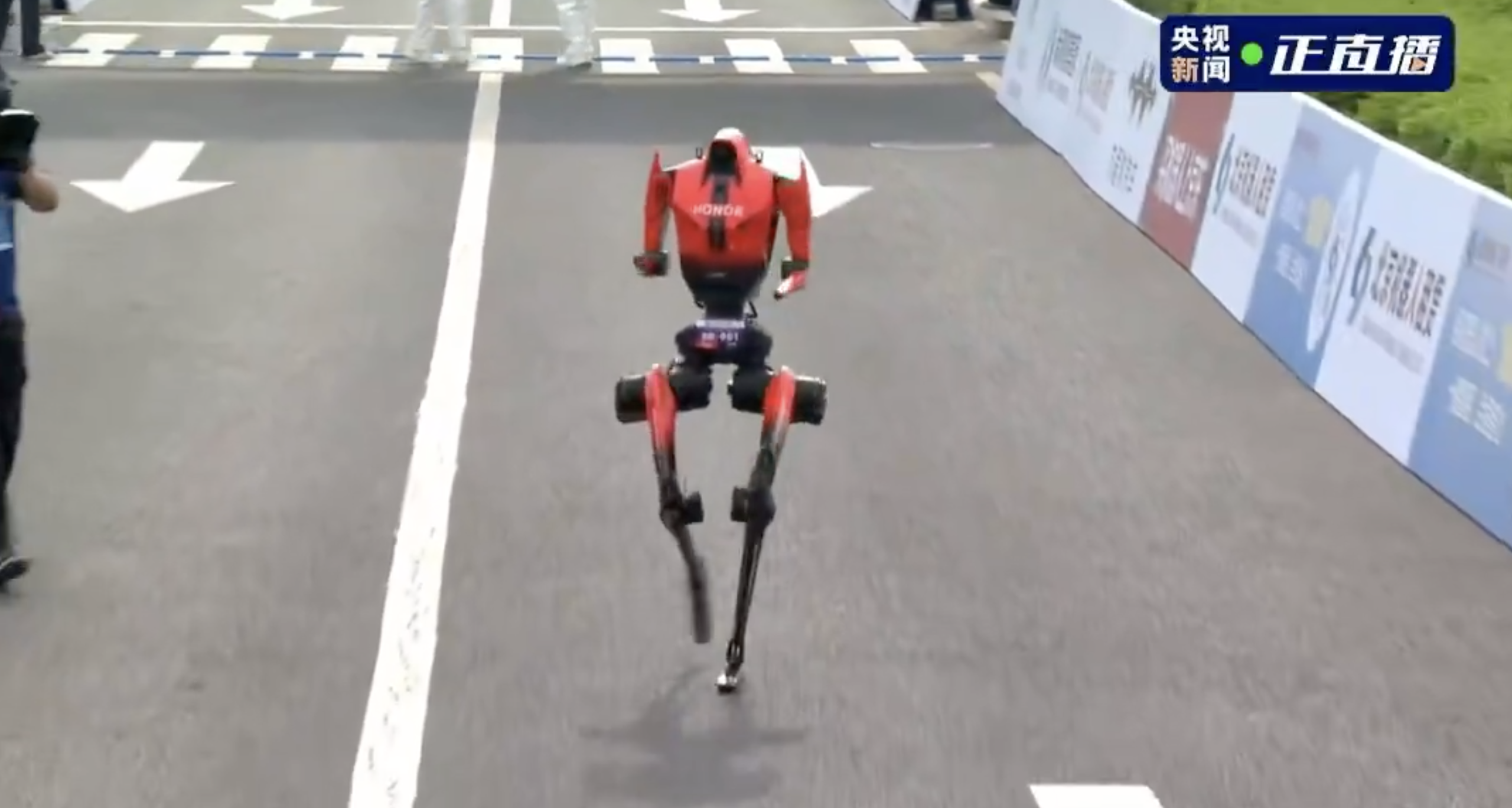

A humanoid robot developed by Honor has set a new world record for a robotic half-marathon, completing the 21.1-kilometer course in Beijing faster than the best human time. The event, which took place on April 20, 2026, featured 100 humanoid robots and marks a significant milestone in the field of bipedal robotics and embodied AI.
Record-Breaking Performance
The robot, named Flash, navigated the urban course designed for human runners, successfully handling varied terrain and maintaining balance. Its official finishing time surpassed the existing world record for a human athlete in the half-marathon distance. The achievement demonstrates rapid advancements in robotic endurance, dynamic stability, and energy efficiency, core challenges that have historically limited the practical application of humanoid robots outside controlled environments.
Context and Significance
The Beijing event was structured as a competitive showcase for robotic agility and stamina. The participation of 100 humanoid units from various developers indicates a growing, collaborative push within the industry to solve fundamental mobility problems. Flash’s performance is seen not as an isolated feat but as a benchmark indicating that robotic locomotion is approaching a level of reliability necessary for real-world integration.
Experts in robotics note that such endurance tests are critical for applications in logistics, disaster response, and personal assistance, where robots must operate for extended periods without failure. The ability to complete a lengthy foot race suggests progress in actuator durability, battery management, and real-time environmental processing.
Industry Reactions and Next Steps
The record has drawn attention from both the technology and sports communities. While the event was a controlled demonstration, it provides tangible data on the physical limits of current bipedal machine design. Honor has stated the development of Flash is part of its broader investment in AI and robotics infrastructure, though specific commercial plans for the platform have not been detailed.
Following the demonstration, the company is expected to publish technical papers detailing the mechanical and algorithmic innovations that enabled Flash’s performance. Independent verification of the record time and the robot’s autonomous operation throughout the race will likely be a focus of peer review within the robotics field.
Future Developments
The immediate next phase involves analysis of the extensive sensor data collected during the run to further refine control systems. Industry observers anticipate that the technologies validated in this event will accelerate development cycles for other humanoid robot projects globally. The successful half-marathon is projected to lead to more complex public tests involving obstacle navigation and human-robot interaction in unstructured settings within the next 12 to 18 months.
Source: Mashable