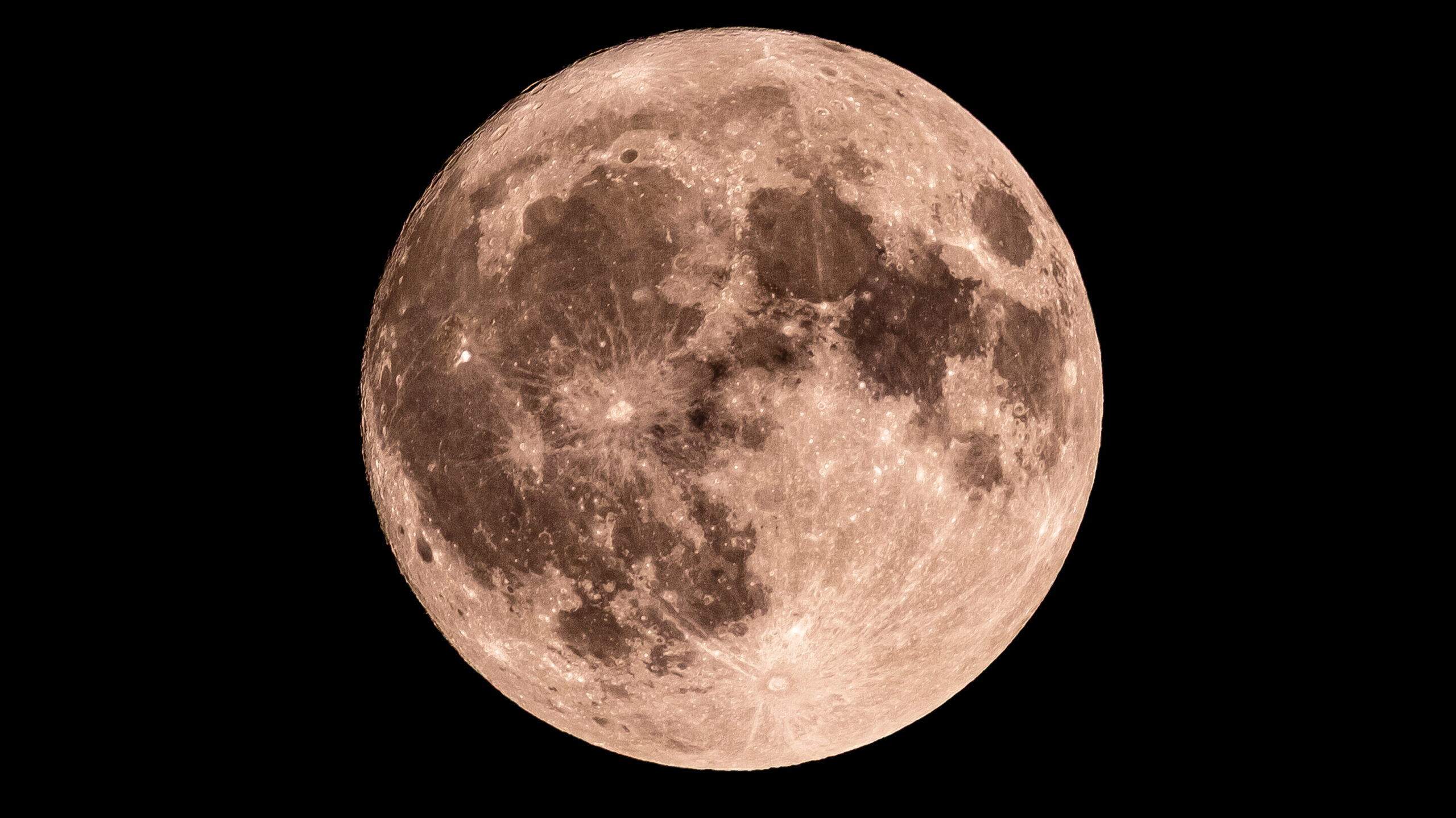

On Wednesday, April 15, the Moon entered its New moon phase, rendering it virtually invisible in the night sky for observers worldwide. This astronomical event marks the start of a new lunar cycle, a period during which the Moon’s illuminated side faces away from Earth. The lack of lunar visibility is a direct result of the Moon’s orbital position between the Earth and the Sun.
The New Moon phase presents minimal opportunity for lunar observation with the naked eye or telescopes. The Moon rises and sets approximately with the Sun, making it difficult to discern against the daytime sky. For astronomy enthusiasts and casual skywatchers, this signifies a temporary reduction in visible celestial activity from our nearest natural satellite.
Understanding Lunar Phases
The Moon’s phases are caused by the changing angles between the Earth, the Moon, and the Sun. As the Moon orbits Earth, the portion of its sunlit hemisphere visible from our planet changes cyclically. The complete cycle, from one New Moon to the next, lasts approximately 29.5 days, a period known as a synodic month.
The New Moon is the first phase in this cycle. During this alignment, the Moon’s unilluminated side faces Earth. A precise alignment of all three bodies results in a solar eclipse, though such an event did not coincide with this particular New Moon phase.
Impact on Observation and Culture
The dimming of the Moon provides optimal conditions for observing faint deep-sky objects, such as distant galaxies, star clusters, and nebulae. Astronomers often schedule observations of these targets during the New Moon to avoid interference from moonlight.
Lunar phases have historically held significance for various calendars, cultural practices, and religious observances across different societies. The New Moon frequently denotes the beginning of a new month in lunisolar calendar systems.
The Lunar Cycle Progresses
Following the New Moon, a thin waxing crescent will become visible in the western sky shortly after sunset within the next few nights. The illuminated portion of the Moon will gradually increase each evening as it progresses toward the First Quarter phase.
Official astronomical data and lunar calendars, maintained by institutions like NASA and the United States Naval Observatory, provide precise times for moonrise, moonset, and the percentage of lunar illumination for any given date and location.
The next significant lunar phase, the First Quarter, will occur approximately one week after the New Moon. This phase will offer a distinct half-illuminated Moon, ideal for viewing surface features along the terminator line where shadows are longest.
Source: Mashable