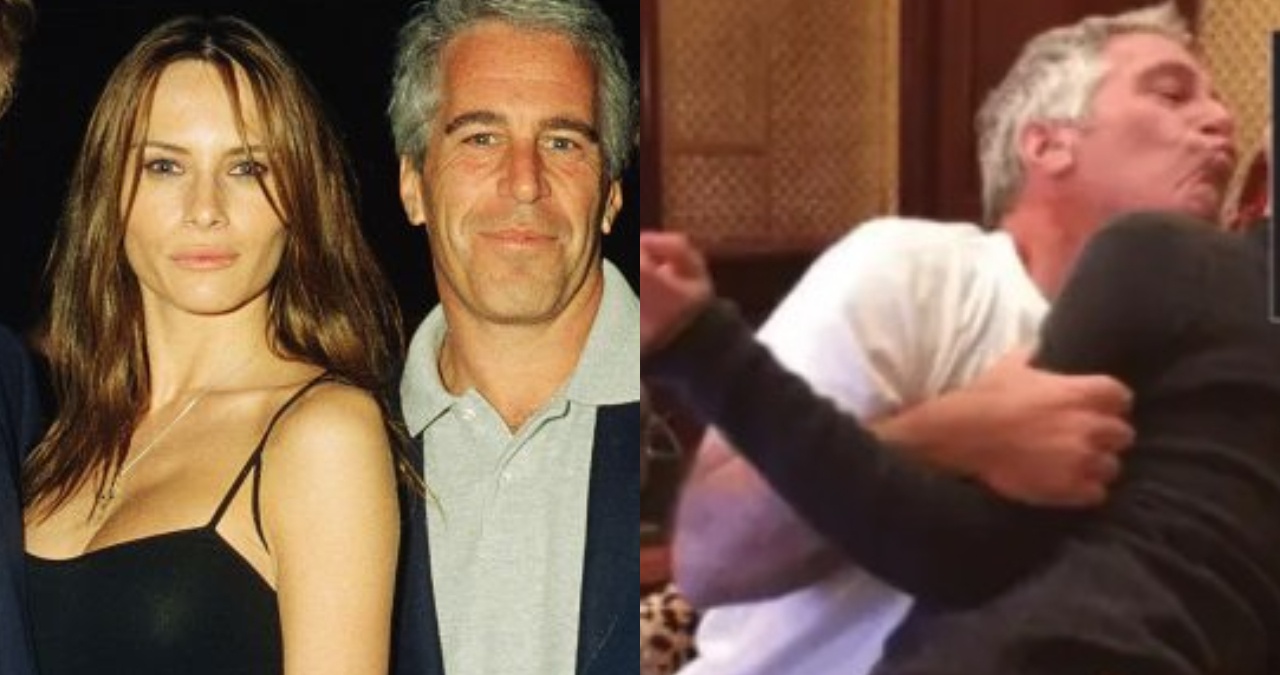

A widely circulated photograph purportedly showing former First Lady Melania Trump in an intimate pose with the late financier and convicted sex offender Jeffrey Epstein has been confirmed as a digital fabrication. The image, which gained significant traction across multiple social media platforms in early April 2026, was created using artificial intelligence technology.
Epstein died by suicide in a Manhattan jail cell in August 2019 while awaiting trial on federal sex trafficking charges. The emergence of the manipulated image nearly seven years after his death highlights the ongoing challenges posed by AI-generated disinformation in the digital media landscape.
Origin and Spread of the Fabricated Image
The altered photograph first appeared on several fringe websites and forums before migrating to larger social networks, including X (formerly Twitter) and Facebook. Its rapid dissemination was fueled by users commenting on the unusual and seemingly candid nature of the scene depicted. No credible evidence links Melania Trump to Epstein beyond her husband’s, former President Donald Trump, previously acknowledged social acquaintance with him prior to his legal troubles.
Digital forensics experts and fact-checking organizations, including the Associated Press and Reuters, analyzed the image metadata and visual artifacts. They concluded the picture was a composite, merging a genuine, publicly available photograph of Melania Trump with AI-generated elements to create a false scenario. The original source image of Trump is from a 2018 public event.
Response and Broader Implications
Representatives for Melania Trump have not issued a formal public statement regarding this specific fabricated image. However, the incident occurs within a broader context of increasing AI-manipulated media targeting public figures. Technology analysts note that the sophistication of publicly available image-generation tools has made creating convincing deepfakes and composites more accessible.
Social media platforms face continued scrutiny over their content moderation policies, particularly regarding synthetic media. In the United States, legislation concerning the labeling or prohibition of AI-generated content in political contexts remains under debate at both federal and state levels. The viral spread of this particular image demonstrates how historical figures associated with major scandals can be digitally resurrected to create new false narratives.
Looking Ahead
Legal and technology experts anticipate a rise in similar AI-fabricated content as the 2026 U.S. midterm election cycle approaches. Researchers are developing more advanced detection algorithms, but the pace of generative AI advancement presents a significant challenge. The public is advised to critically assess the provenance of sensational images, especially those shared on social media without clear attribution to established news organizations.
Source: Mashable