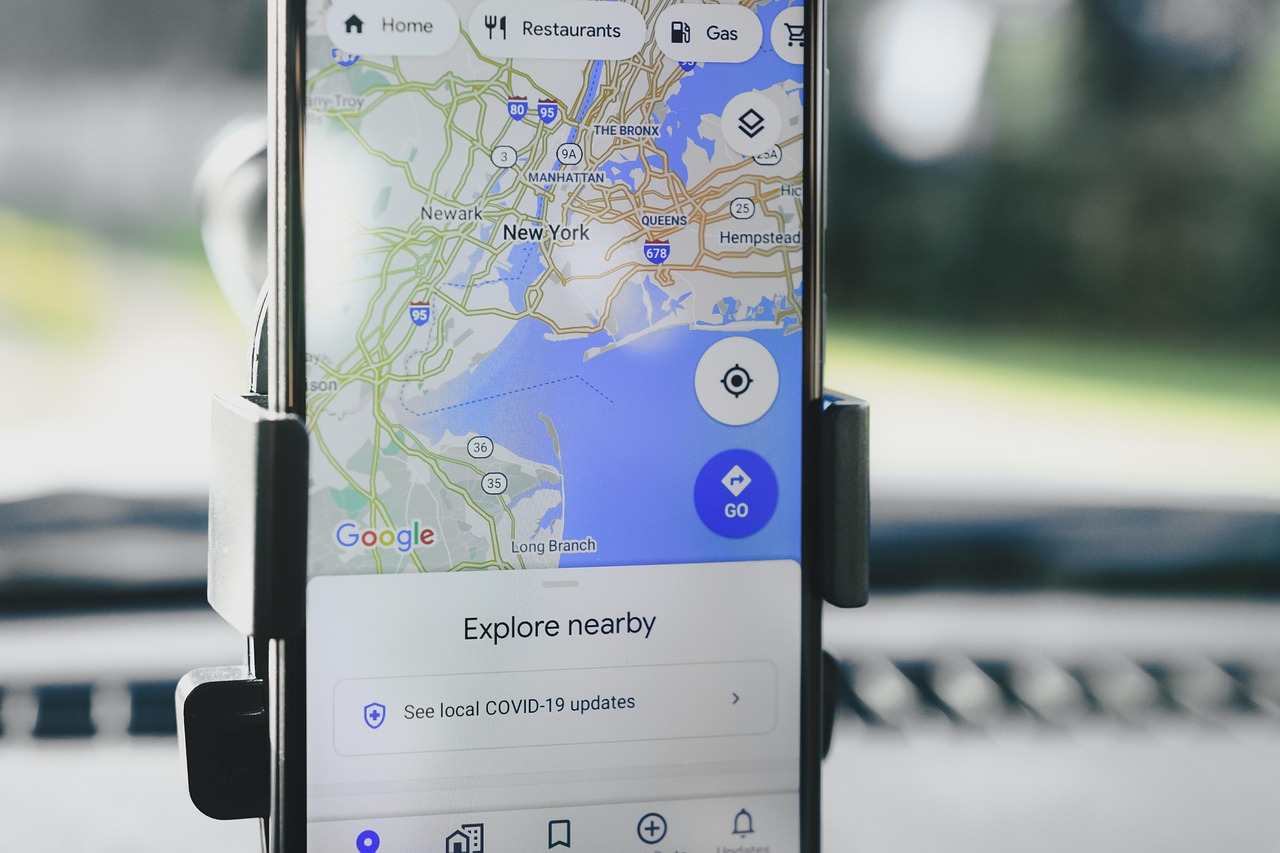

Google has begun deploying new features within its Maps application designed to streamline the process for users to contribute local knowledge. The most significant update allows the company’s Gemini Artificial Intelligence to automatically generate descriptive captions when a user intends to share a photo or video of a location.
The feature is part of a broader initiative by Google to enhance the richness and utility of user-generated content on its mapping platform. By reducing the effort required to add context to visual contributions, the company aims to encourage more frequent and detailed submissions from its global user base.
Functionality and User Experience
When a user captures or selects a photo within Google Maps to share, the AI system will analyze the image and propose a text caption. This automated suggestion is intended to describe the visual elements within the frame, such as identifying a type of cuisine in a restaurant dish, noting architectural features of a building, or recognizing a natural landmark.
The user retains full control and can edit the AI-generated caption, use it as submitted, or write their own description entirely. This functionality is positioned as a tool to overcome the inertia of manually writing descriptions, a common barrier to contribution.
Background on AI Integration
This development follows Google’s ongoing integration of its Gemini AI models across its product ecosystem. The application of this technology to Maps represents a practical use case focused on content creation and user assistance rather than navigation or search.
The underlying technology likely involves computer vision models trained to recognize millions of objects and scenes, coupled with natural language processing to construct coherent, descriptive phrases in English and other supported languages.
Privacy and Data Considerations
Google has stated that the image processing for caption generation occurs on-device in many cases, depending on the user’s phone capabilities and settings. This approach is designed to address potential privacy concerns by minimizing the amount of visual data that needs to be transmitted to external servers.
The company’s existing policies regarding user-contributed photos and videos to Maps remain in effect. Users must grant explicit permission for location sharing and photo uploads.
Industry Context and Implications
The move aligns with a wider industry trend of leveraging generative AI to lower the barrier for user-generated content across digital platforms. Similar features that suggest text or automate descriptions are being explored in social media and other review-centric services.
For Google, increasing the volume and quality of fresh, local photos and reviews directly strengthens the competitive value of Maps against other platforms. Detailed visual content improves the utility for all users researching businesses, travel destinations, or points of interest.
Google has indicated the feature is rolling out gradually to users globally. The full availability timeline may vary by region and device. The company is expected to monitor the accuracy and relevance of the AI-generated captions and refine the models based on user feedback and interaction patterns.
Source: Adapted from official Google announcement