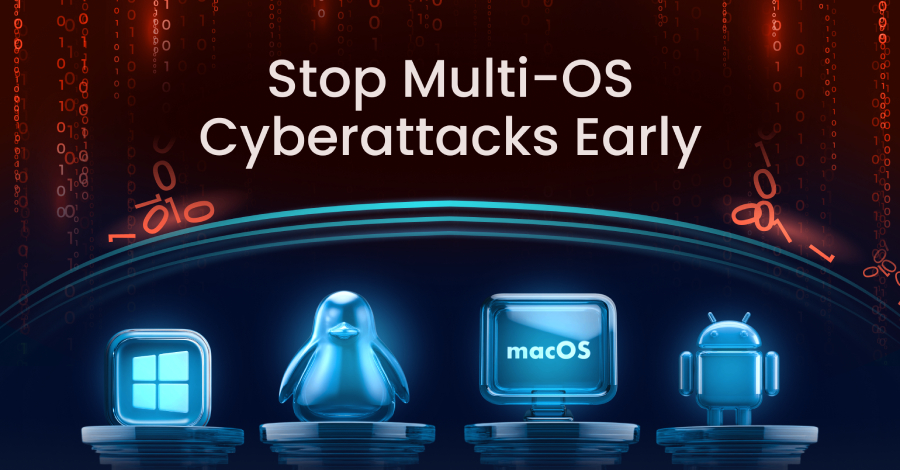

Security operations centers (SOCs) globally are implementing new strategies to counter a rising trend of cyberattacks that simultaneously target multiple operating systems within a single organization. This shift addresses a critical vulnerability where attackers exploit fragmented security monitoring across different platforms.
Modern enterprise environments typically consist of a mix of Windows computers, Apple macOS devices, Linux servers, and various mobile operating systems. Historically, many SOCs have used separate tools and workflows to monitor each type of system. This division creates blind spots that sophisticated threat actors are increasingly leveraging.
The Evolving Attack Surface
Security analysts report that contemporary cyber campaigns are no longer confined to a single platform. Instead, attackers deliberately move across different operating systems to achieve their objectives. They might initially breach a network through a vulnerable Windows endpoint, then pivot to a Linux server to access data, and use a compromised MacBook to target executive communications.
This cross-platform approach allows attackers to evade detection by staying in areas with less cohesive security oversight. The technical disparity between operating systems has often led to security tools and teams specializing in one platform, leaving gaps in overall coverage.
A Consolidated Defense Strategy
In response, leading SOCs are consolidating their defensive postures around three core steps. The first step involves integrating security telemetry and alert data from all corporate devices and infrastructure into a single, unified dashboard. This provides analysts with a holistic view of activity across Windows, macOS, Linux, iOS, and Android from one console.
The second step focuses on standardizing detection and response playbooks. Rather than having separate procedures for each operating system, SOCs are developing common investigative workflows that apply universally. This ensures a consistent response to threats regardless of the initial point of entry or the systems involved in an attack chain.
The third step emphasizes cross-training for security analysts. Teams are moving beyond platform-specific expertise to develop skills in investigating incidents across the entire technology stack. This training enables analysts to follow an attacker’s trail from one type of system to another without requiring a handoff to a different specialist.
Industry Implications
The move toward unified security operations reflects a broader industry recognition that the corporate attack surface is inherently heterogeneous. Major providers of security information and event management (SIEM) software and extended detection and response (XDR) platforms are now prioritizing these cross-platform capabilities in their products.
This strategic shift is considered essential for defending against advanced persistent threats (APTs) and ransomware groups, which are known for their adaptability and persistence. A consolidated view reduces the time to detect and contain incidents that span multiple parts of an organization’s digital infrastructure.
Looking ahead, security industry experts anticipate further integration of security tools and a continued decline in platform-specific SOC silos. The focus is expected to remain on threat-centric rather than asset-centric monitoring, with investment flowing into platforms that can normalize and correlate data from diverse sources. The goal is to ensure that security posture is defined by consistent policy enforcement and visibility, not by the type of device or operating system in use.