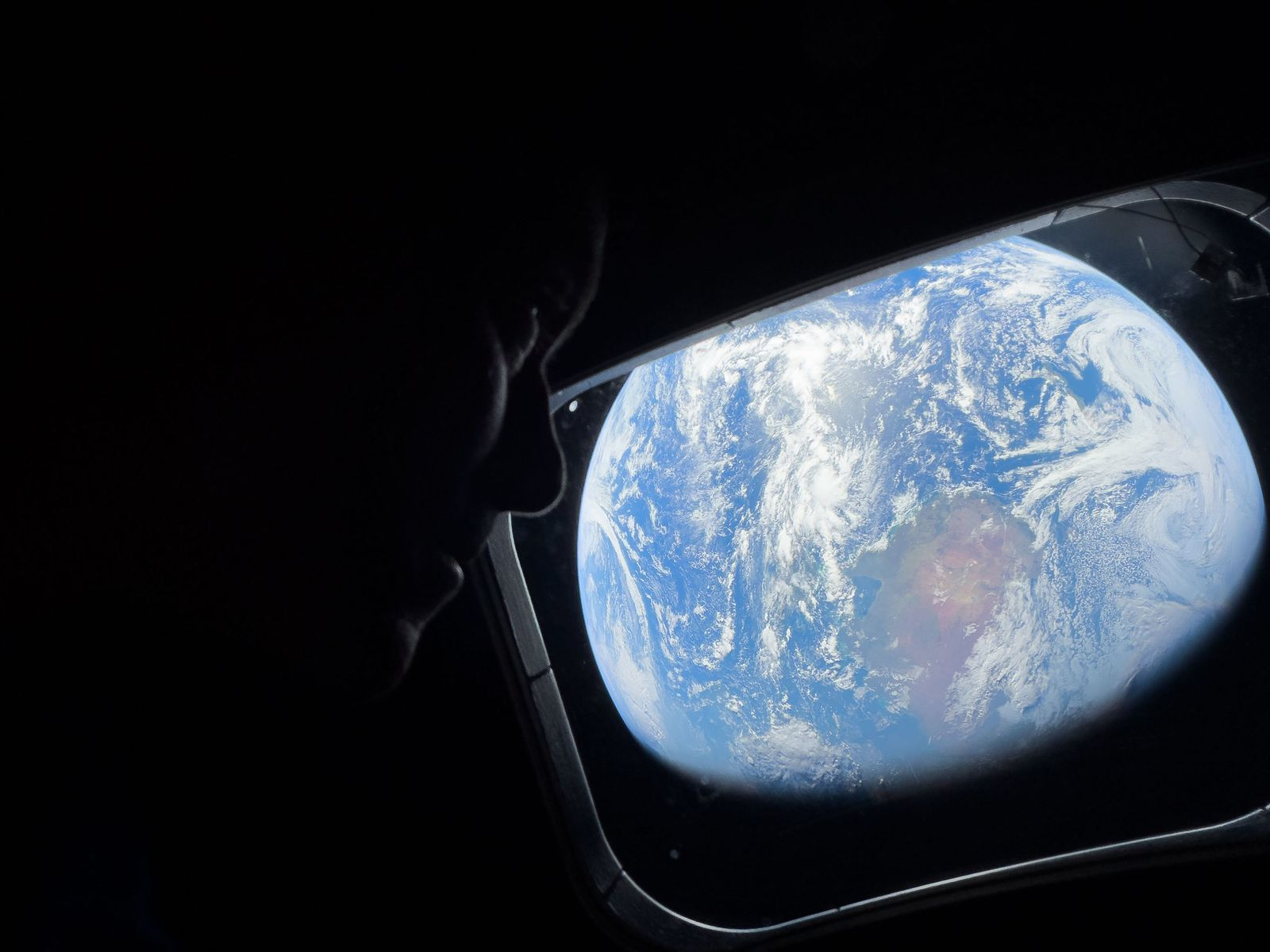

NASA has released a series of images taken during the Artemis II mission using a commercially available smartphone camera. The photographs, showcasing views from the Orion spacecraft, were published by the space agency on its official channels. The Orion spacecraft is scheduled to conclude its mission with a return to Earth on April 10.
Details of the Image Release
The newly published pictures offer a unique perspective on the Artemis II mission’s journey. According to NASA, the images were captured using the camera system of a modern smartphone, specifically an iPhone, carried aboard the Orion capsule. This marks a notable instance of consumer-grade technology being utilized for official documentation in a deep-space mission environment. The release is part of NASA’s ongoing effort to share mission progress with the public through accessible visual media.
Context of the Artemis II Mission
Artemis II is NASA’s first crewed mission under the Artemis program, which aims to return humans to the Moon and establish a sustainable presence there. The mission will not land on the lunar surface but will instead send a crew of four astronauts on a journey around the Moon. This flight test is a critical demonstration of Orion’s life support systems and operational capabilities with astronauts on board, building upon the uncrewed Artemis I mission that completed its voyage in December 2022.
Significance of Using Consumer Technology
The use of a smartphone camera for official mission imagery highlights the increasing crossover between consumer electronics and specialized spaceflight hardware. While spacecraft are typically equipped with sophisticated, hardened imaging systems for navigation and science, the inclusion of a common device demonstrates a pragmatic approach to secondary documentation. It provides a familiar visual quality that can enhance public engagement and outreach. NASA has a history of employing modified commercial technology in space to reduce costs and leverage rapid innovation from the consumer market.
Technical and Operational Background
The smartphone used was reportedly secured inside the Orion spacecraft’s cabin. The conditions of spaceflight, including radiation and extreme temperature variations, pose challenges for standard electronics. Devices used in this context often require some level of modification or are selected for their robustness. The success in obtaining clear images indicates that the device functioned as intended throughout the mission phases captured so far. The primary imaging for navigation, engineering analysis, and scientific data collection on Artemis II continues to be conducted by Orion’s dedicated suite of built-in cameras.
Next Steps for Artemis II
The immediate focus for NASA and its international partners is the successful completion of the Artemis II mission. The Orion spacecraft’s return and splashdown in the Pacific Ocean on April 10 will be a major milestone. Following recovery, teams will conduct extensive post-flight analysis of the spacecraft and all onboard systems, including the performance of non-critical items like the smartphone. Data and experiences from this mission will directly inform the preparations for Artemis III, which is planned to land astronauts near the lunar South Pole.
Source: NASA