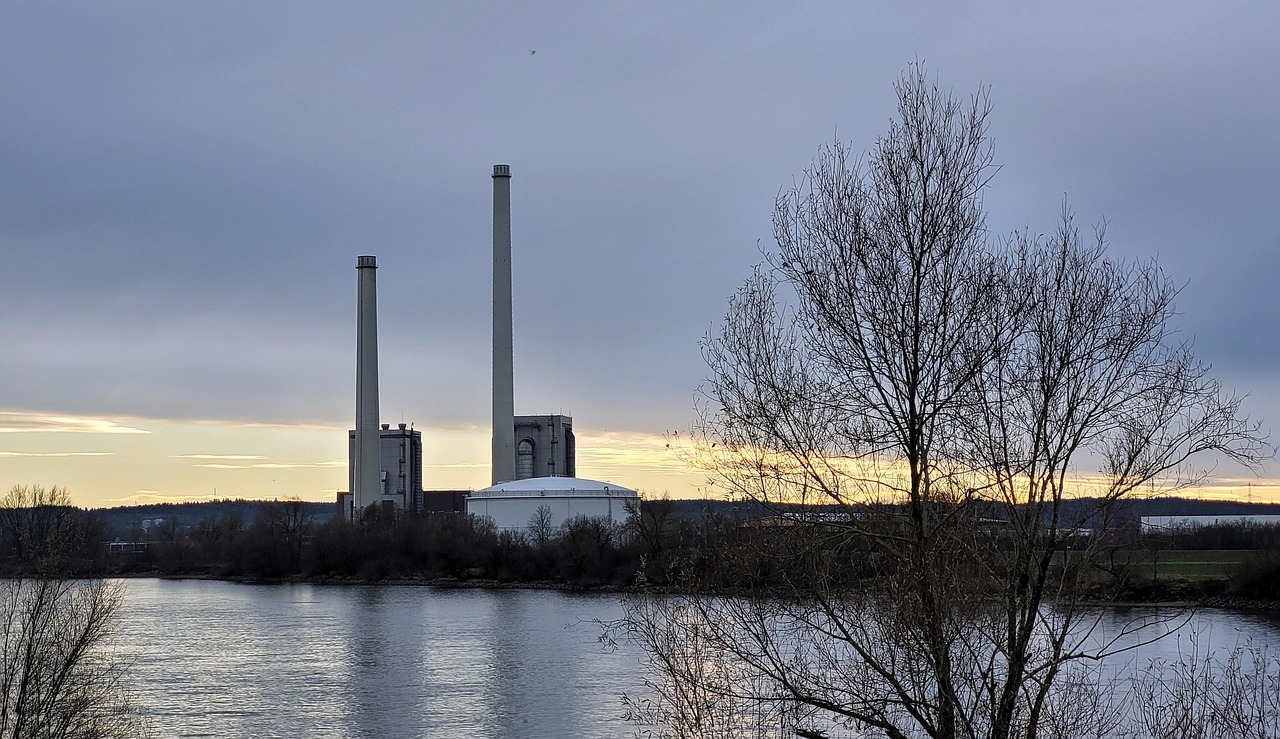

Major technology firms are making significant investments in new natural gas-fired power generation to meet the soaring energy demands of their artificial intelligence data centers. This strategic shift toward fossil fuel infrastructure marks a notable pivot in how the industry plans to power its most computationally intensive operations.
The Energy Bet Behind AI
Companies including Meta, Microsoft, and Google are financially backing the construction of large-scale natural gas power plants. The primary objective is to secure a stable and substantial electricity supply specifically for their AI computing facilities. These data centers, which train and run complex AI models, require exponentially more power than traditional cloud computing servers.
The energy consumption of AI is a well-documented challenge. A single query to a large language model can use nearly ten times the electricity of a standard internet search. As these companies race to develop and deploy more advanced AI, their power needs are escalating beyond what many existing grids can reliably provide.
Drivers for Fossil Fuel Reliance
Industry analysts point to several factors driving this move. First is the immediate need for “dispatchable” power, meaning electricity that can be generated on-demand, unlike some renewable sources such as solar and wind which are intermittent. Natural gas plants can ramp up quickly to meet the constant, high-wattage demands of AI servers.
Second, in many regions, the existing electrical grid lacks the capacity or infrastructure to deliver the required gigawatts of power to new data center campuses. Building dedicated power plants on-site or nearby is seen as a direct solution to grid constraints and connection delays.
Potential Implications and Criticisms
This trend has drawn attention from environmental groups and policy observers. A primary concern is the impact on greenhouse gas emissions. While natural gas burns cleaner than coal, it is still a major source of carbon dioxide and methane, a potent greenhouse gas that can leak from production and transport infrastructure.
The strategy appears to conflict with the same companies’ publicly stated climate goals. Meta, Microsoft, and Google have all committed to ambitious targets, including achieving “net zero” carbon emissions across their operations within the next few decades. Investing in new, long-lived fossil fuel assets could complicate those efforts.
Energy experts note that locking in natural gas dependency for decades may also slow investment in alternative solutions, such as advanced geothermal, next-generation nuclear, or large-scale battery storage paired with renewables.
Industry Position and Alternatives
The technology companies involved have stated their commitments to sustainability remain unchanged. They often frame natural gas as a “bridge” fuel necessary to maintain reliability while they develop and scale carbon-free energy sources. Microsoft, for instance, has also invested heavily in purchasing renewable energy and is exploring nuclear energy partnerships.
Some firms are simultaneously advancing technologies to improve data center efficiency. These include using AI itself to optimize cooling systems, designing more energy-efficient semiconductors, and locating new facilities in regions with abundant geothermal or hydroelectric power.
Looking Ahead
The scale of planned natural gas investment suggests this will be a defining issue for the tech industry’s environmental footprint in the coming years. Regulatory bodies and shareholder groups are likely to scrutinize how these projects align with corporate climate pledges. The next phase of development will focus on whether companies can successfully integrate these plants with carbon capture technology or swiftly transition them to green hydrogen to mitigate long-term environmental impact.
Source: GeekWire