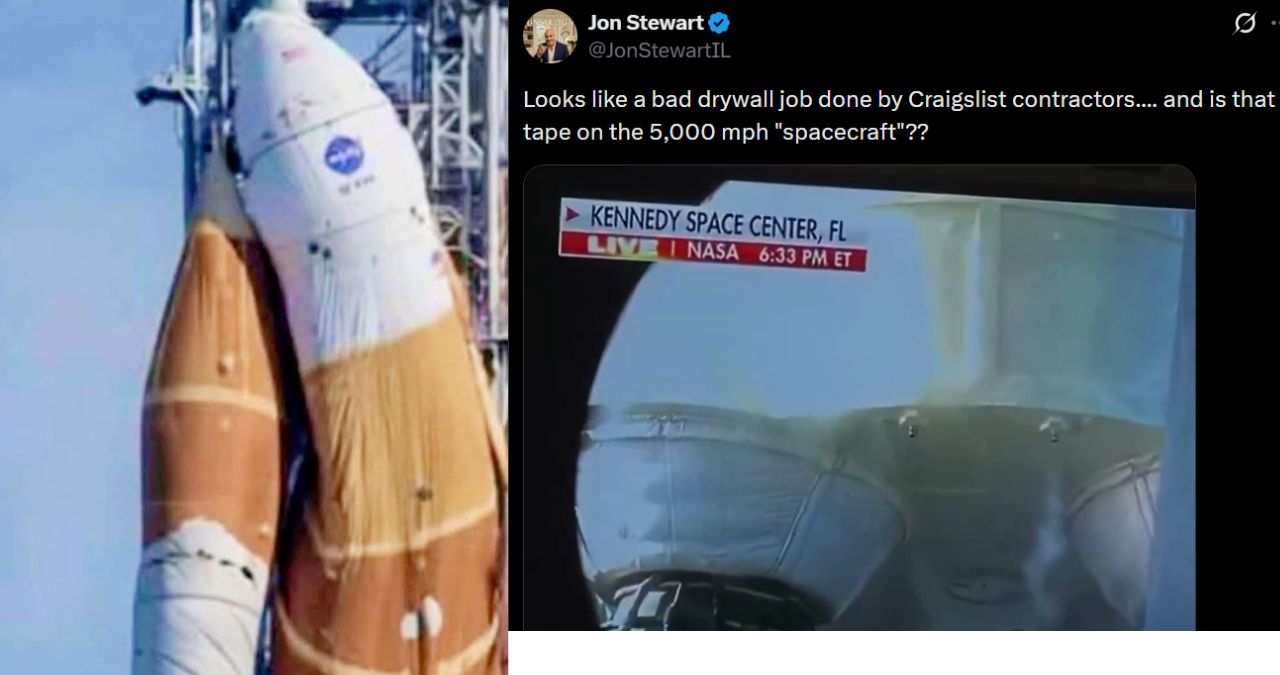

A series of online conspiracy theories, viral memes, and a technical glitch have converged around NASA’s upcoming Artemis II mission, creating a wave of misinformation and discussion across social media platforms. The phenomenon, which gained significant traction in early April, centers on unfounded claims that the mission is fabricated, alongside humorous “balloon rocket” comparisons and a coincidental email software bug.
Core of the Controversy
The primary claim circulating online alleges that the Artemis II mission is not real. Proponents of this theory have pointed to various elements of mission footage and promotional material, interpreting them as evidence of a hoax. Some discussions have also incorporated references to unidentified aerial phenomena, or UFOs, though NASA has not commented on these specific assertions.
Parallel to these conspiracy claims, a meme comparing the Space Launch System rocket to a “balloon rocket” proliferated on platforms like X, Reddit, and TikTok. This meme typically involves edited imagery or satirical commentary suggesting the rocket’s appearance or launch resembles an inflatable object.
The Microsoft Outlook Coincidence
Adding a layer of coincidental intrigue, users of Microsoft Outlook reported a display glitch on April 3. The issue caused the text “Artemis II is fake” to appear within the email client’s interface for some users. Microsoft swiftly addressed the problem, identifying it as a temporary bug related to how Outlook processes certain types of embedded content and metadata from emails.
The company confirmed the text was not a message from Microsoft or a security breach, but rather erroneous data displayed due to a technical error. The timing of this glitch, however, fueled further discussion within online communities already engaged with the conspiracy theories.
Official Stance and Mission Facts
NASA has not issued a formal statement addressing the “fake” claims directly, maintaining its public focus on the mission’s technical milestones. The Artemis II mission is a critical crewed test flight scheduled to orbit the Moon, a precursor to the planned Artemis III lunar landing. The agency continues to share updates on astronaut training, spacecraft assembly, and launch preparation through its official channels.
Fact-checking organizations and aerospace commentators have systematically debunked the core conspiracy assertions. They note that the evidence presented is often based on misunderstandings of rocket engineering, visual effects used in animation for clarity, or standard pre-launch procedures.
Online Dynamics and Response
The spread of this content highlights the rapid pace at which misinformation can blend with humor and coincidental technical errors online. Social media algorithms that promote engaging content have been cited by analysts as a factor in amplifying both the memes and the unfounded claims. The episode serves as a case study in how complex scientific projects can become entangled in internet culture.
Technology analysts note that the Outlook bug, while resolved, demonstrates how even minor software issues can have outsized impacts when they intersect with trending online narratives. Microsoft has implemented fixes to prevent similar metadata display errors in the future.
Looking Ahead
As the scheduled launch window for Artemis II approaches, NASA is expected to intensify its public communications campaign. This will likely include detailed broadcasts, educational outreach, and interviews with the mission astronauts. Experts anticipate that online discussion will continue, but the provision of extensive, real-time official coverage during the mission may mitigate the influence of baseless theories. The focus will shift to the flight’s operational milestones and the data collected during the crew’s journey around the Moon.
Source: Mashable