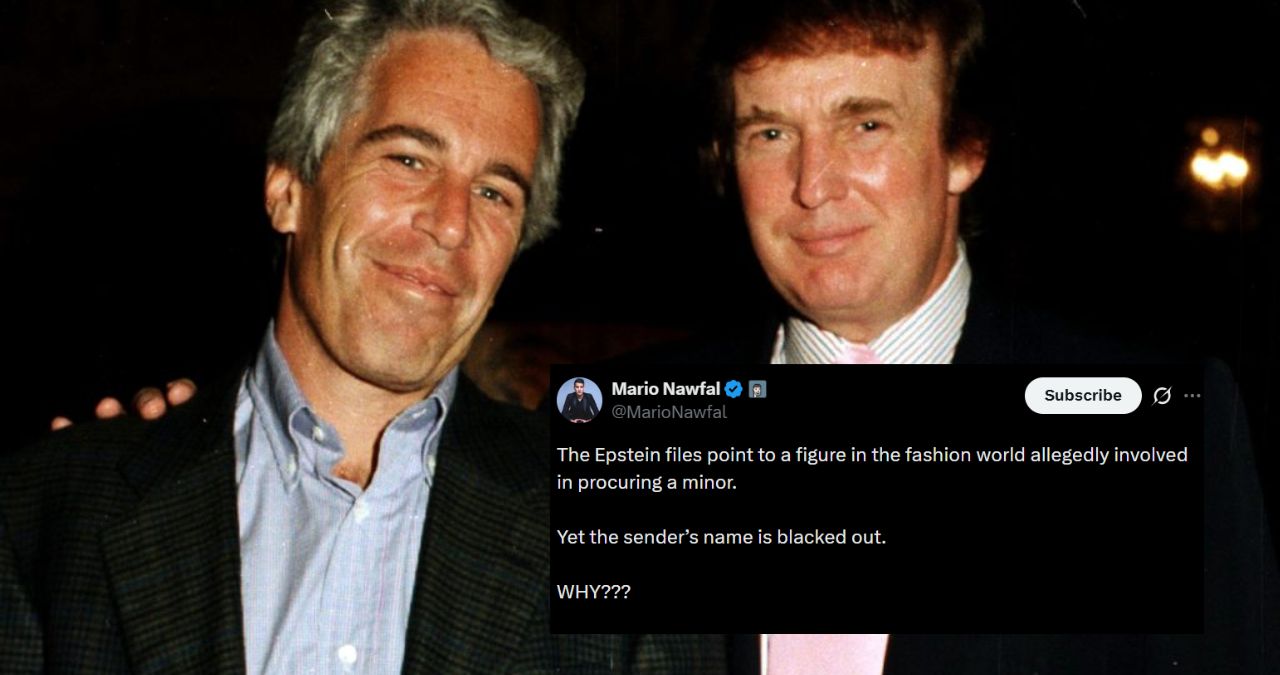

Recent court document releases related to the Jeffrey Epstein case have intensified scrutiny on the fashion and modeling industry‘s alleged role in facilitating the financier’s abuse. A growing call for accountability from victims and advocates exposes how networks of power, access, and enforced silence may have enabled systemic exploitation for years.
Allegations of a Systematic Pipeline
The unsealed files, part of a long-running civil case, contain allegations that Epstein and his associates used the allure of modeling careers to identify and recruit young women and girls. Testimonies and documents suggest this pipeline operated internationally, targeting vulnerable individuals seeking opportunity. The alleged system reportedly provided a continuous stream of victims under the guise of professional advancement.
Investigative reports indicate that modeling scouts and agencies, some directly connected to Epstein, are implicated in these allegations. The purported method involved offering flights, accommodations, and promises of work with major fashion brands. Legal filings state that once isolated, victims were subjected to abuse and coercion.
Industry Power Dynamics and Silence
Experts on human trafficking and sexual exploitation note that the modeling industry’s inherent power imbalances create environments where abuse can be concealed. The concentration of influence among a small group of scouts, photographers, and agency heads can deter reporting. Fear of career termination and industry blacklisting are cited as significant factors that enforced silence among victims and witnesses.
Several major modeling agencies named in connection with the allegations have issued statements denying any institutional knowledge of illegal activities. They emphasize their policies against misconduct and cooperation with authorities. However, victim testimonies consistently describe a culture where complaints were dismissed or ignored.
Legal and Regulatory Responses
In the wake of the document releases, lawmakers in multiple jurisdictions have called for hearings to examine labor protections within the fashion industry. Proposed measures include stricter licensing requirements for modeling agencies, mandatory independent chaperones for minors on assignments, and the creation of an industry-wide anonymous reporting system.
Legal proceedings continue against several of Epstein’s associates, with prosecutors building cases that specifically address the alleged recruitment mechanisms. Civil lawsuits against affiliated companies are also progressing, focusing on claims of negligence and facilitating a hostile environment.
Forward-Looking Accountability
The next phase of legal action is expected to focus on corporate entities and their liability. Attorneys for plaintiffs indicate that discovery processes will seek internal communications and records from agencies and related businesses. Simultaneously, advocacy groups are pushing for federal legislation to standardize protections for models, particularly minors, classifying them explicitly as workers under existing labor laws.
Official timelines suggest further document releases from related cases will occur throughout the year. The continued public and legal pressure is anticipated to drive more victims and whistleblowers to come forward, potentially leading to new indictments and a fundamental re-examination of oversight within the global modeling industry.
Source: Various court documents and associated reporting