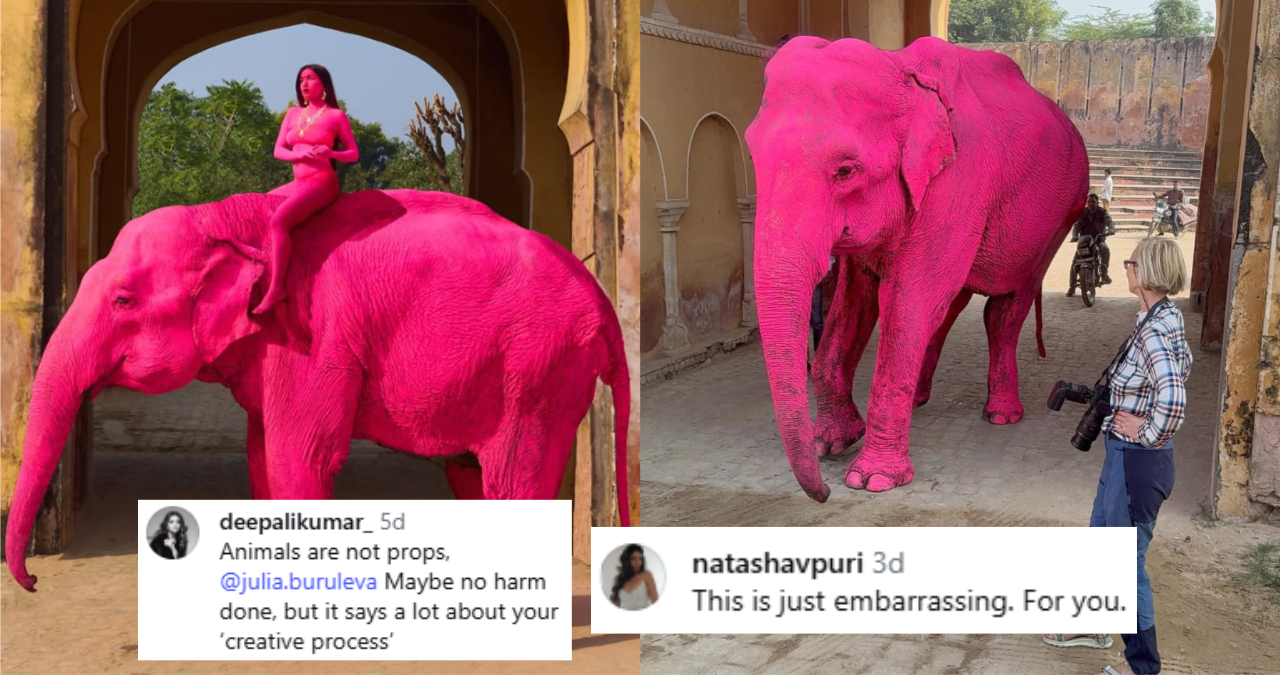

A recent photoshoot by a public figure featuring an elephant painted pink has ignited a significant online debate regarding the ethical treatment of animals in entertainment and media. The incident, which gained widespread attention through social media, has drawn sharp criticism from animal rights advocates and the public, who have labeled the act as abusive.

The central point of contention is the use of non-toxic, washable pink paint applied to the elephant’s skin. Critics argue that the process of painting the animal, regardless of the paint’s safety, is inherently stressful and disregards the elephant’s welfare. The phrase “Animals are not props” has become a rallying cry for those condemning the shoot, emphasizing that wild animals should not be used as accessories for fashion or promotional content.
Background and Immediate Reactions
Public figures and influencers frequently utilize exotic locations and animals for content creation, a practice that has come under increasing scrutiny. animal welfare organizations have long cautioned that such interactions can cause distress, disrupt natural behaviors, and potentially support industries with questionable animal care standards.
The backlash was swift and concentrated on major social media platforms. Comments on the original posts and subsequent news articles were overwhelmingly negative, with users expressing anger and disappointment. Many called for greater accountability from influencers and the brands that may sponsor such activities.
Broader Implications for Content and Ethics
This event highlights the growing tension between creative expression in the digital age and ethical responsibility. As the demand for unique and visually striking content increases, so does the potential for practices that prioritize aesthetics over animal well-being.
Legal frameworks regarding animal treatment in media vary significantly by country and region. In many places, regulations focus on preventing physical harm but may not address psychological stress or the ethical implications of using animals for purely decorative purposes. This incident has spurred discussions about whether existing laws are sufficient.
Industry and Organizational Response
While the individual at the center of the controversy has not issued a detailed public statement, the reaction from animal rights groups has been clear. Organizations dedicated to wildlife protection have used the incident as an educational moment, reiterating guidelines for ethical wildlife tourism and content creation.
They advise that observing animals in their natural habitats from a respectful distance is preferable to any form of direct interaction for a photoshoot. The professional photography and influencer marketing industries are now facing renewed questions about establishing and enforcing ethical codes of conduct.
Looking Ahead
The debate is expected to continue as similar incidents arise. Observers anticipate increased public pressure on social media platforms to monitor and potentially restrict content that features questionable animal treatment. Furthermore, brands collaborating with influencers may institute more rigorous vetting processes to avoid association with ethically controversial content. The long-term impact will likely involve a continued reevaluation of where the line is drawn between art, entertainment, and animal exploitation in the digital sphere.
Source: Mashable