
A translator formerly employed by Warhorse Studios, the developer behind the upcoming game Kingdom Come: Deliverance 2, has publicly stated he was terminated from his position and that an artificial intelligence system is now handling his duties. The allegation, made on a professional networking platform, raises immediate questions about the use of AI in creative industries and the displacement of human workers.
Allegations from a Former Employee
The individual, who had worked as a translator for the studio, posted that he was “fired and replaced with AI.” He characterized human translators as becoming “obsolete” in the context of this decision. The claim suggests a direct substitution of a human role with automated technology, a move that is being closely watched across the technology and gaming sectors.
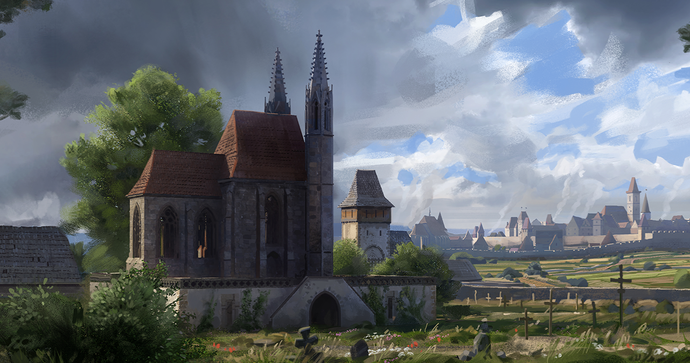
Warhorse Studios, based in the Czech Republic, is known for its historically detailed role-playing games. The studio has not yet issued an official public statement addressing the specific allegations made by the former contractor. In the absence of a formal response, the translator’s account stands as an unverified claim, though it has sparked significant discussion online.
Industry Context and Broader Trends
The gaming industry, like many others, is increasingly experimenting with artificial intelligence. AI tools are being deployed for various tasks, including generating non-player character dialogue, creating concept art, and assisting with coding. The potential for AI to handle localization and translation is a particularly active area of development, promising faster and potentially cheaper turnaround for multilingual game releases.
However, this trend is met with concern by many professionals. Translators, writers, and voice actors have expressed apprehension that generative AI could erode job opportunities and compromise the nuanced, culturally aware work that human creators provide. The allegation against Warhorse Studios presents a concrete, though alleged, example of this fear materializing.
Potential Implications and Reactions
If verified, the replacement of a human translator with AI at a major studio would represent a significant milestone. It would signal a willingness by developers to entrust core narrative and textual elements, which are crucial for player immersion, to automated systems. The quality and consistency of AI-generated translation, especially for complex historical fiction like Kingdom Come: Deliverance 2, would likely come under intense scrutiny from players and critics alike.
Industry groups representing game developers and localization professionals may also respond. Such a move could galvanize discussions about ethical AI use, fair compensation, and the need for clear guidelines on how automation is integrated into creative workflows. The situation highlights the growing tension between technological efficiency and the preservation of specialized human skills.
Looking Ahead
The next steps hinge on an official response from Warhorse Studios. The company is expected to clarify its position on the use of AI in localization for Kingdom Come: Deliverance 2 and address the circumstances of the translator’s departure. Further commentary may also come from the publisher, Deep Silver, or from industry labor organizations. As the development cycle for the highly anticipated sequel continues, the studio’s approach to localization will be a focal point for observers assessing the practical impact of AI on game development jobs.
Source: GamesIndustry.biz