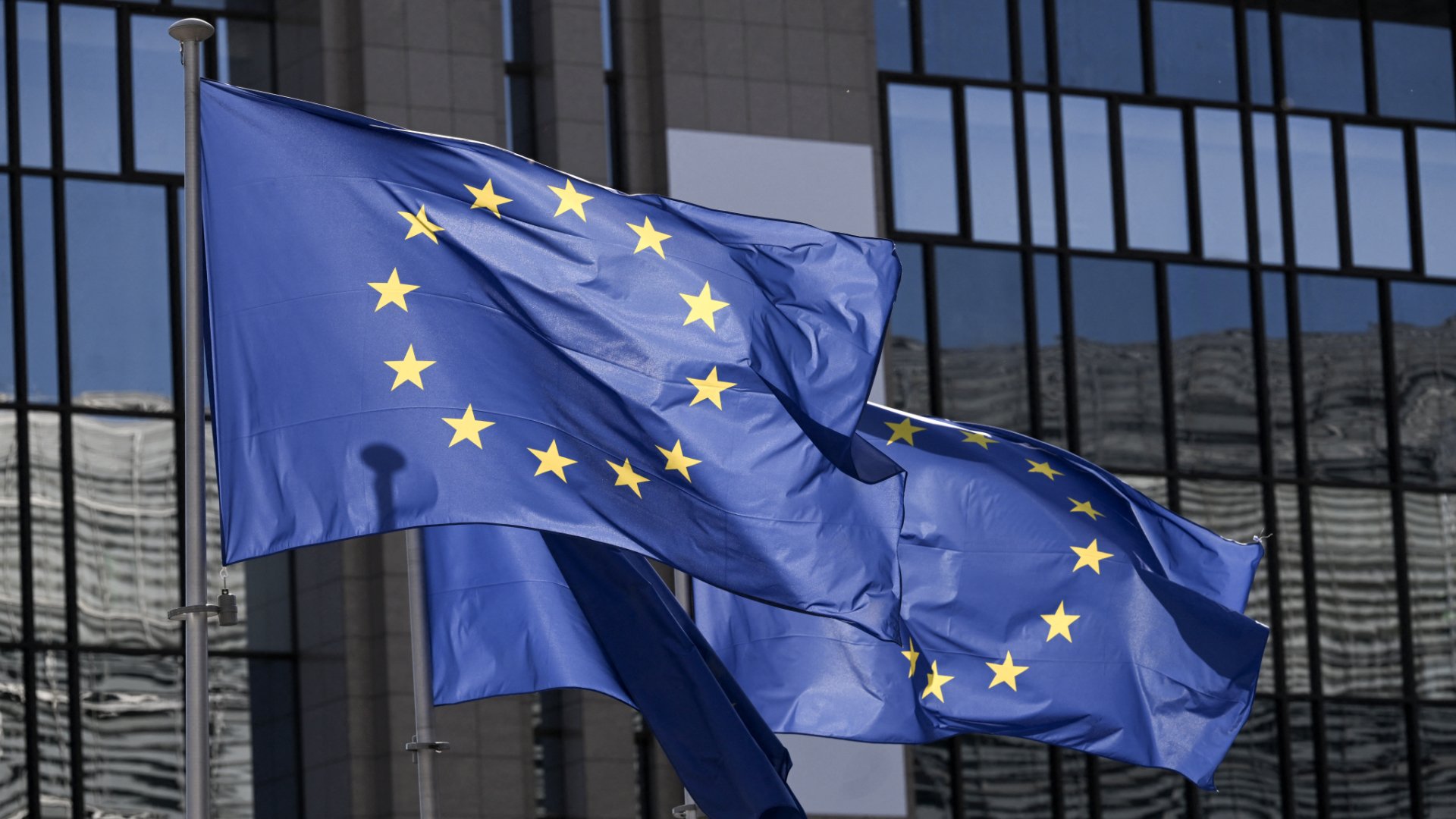

The European Commission, the executive body of the European Union, has been targeted in a significant cyberattack, the second such major breach it has experienced in 2024. The incident, which occurred in March, resulted in the theft of a substantial volume of data from the Commission’s internal systems.
In an official blog post detailing the security incident, the Commission confirmed the attack and the data theft. The breach highlights ongoing cybersecurity challenges faced by major institutions, even those responsible for setting and enforcing digital regulations across the bloc.
Details of the Security Breach
The European Commission disclosed the attack through a formal press release on its official website. The statement outlined that the intrusion was detected and contained by the institution’s internal cybersecurity team, the Computer Emergency Response Team for the EU institutions, bodies, and agencies (CERT-EU).
While the full technical details and the exact nature of the stolen information have not been publicly released, the Commission acknowledged that a “large amount of data” was exfiltrated. The investigation into the attack’s scope and the specific data compromised is currently ongoing, involving both internal security experts and relevant law enforcement authorities.
Context and Institutional Role
The European Commission is a central regulatory power within the European Union. It is responsible for proposing new EU laws, enforcing agreed-upon rules, and managing day-to-day EU policies. Notably, its Directorate-General for Competition has levied substantial fines against global technology corporations, including Apple and Meta, for antitrust violations.
Furthermore, the Commission plays a leading role in shaping the continent’s digital regulatory landscape. It recently spearheaded the creation of the landmark Artificial Intelligence Act, establishing comprehensive safety and compliance guidelines for AI systems. This regulatory authority makes the Commission a high-profile target for cyber adversaries.
Previous Incident and Response
This March attack represents the second major publicly disclosed cyber intrusion against the European Commission this year. A previous incident occurred earlier in 2024, though specific details about that breach remain limited. The recurrence of such attacks underscores persistent vulnerabilities within critical governmental digital infrastructure.
Following the latest breach, the Commission’s IT security teams initiated immediate containment and remediation procedures. The priority actions included isolating affected systems, analyzing the attack vector to close security gaps, and conducting a forensic investigation to determine the extent of the data loss.
Broader Implications for Cybersecurity Policy
The successful attack on a regulator that actively promotes stringent cybersecurity standards for member states and private companies raises significant questions. It brings into focus the practical challenges of implementing robust cyber defenses, even for well-resourced institutions that mandate such protections for others.
Cybersecurity analysts note that attacks on entities like the European Commission are often motivated by espionage, seeking access to sensitive policy documents, negotiation strategies, or confidential commercial data submitted by companies under regulatory review. The stolen information could provide strategic advantages to state-sponsored actors or other malicious groups.
Next Steps and Ongoing Investigation
The European Commission has stated that its investigation into the March cyberattack continues. The next phases will involve a complete assessment of the damage, notification to any affected individuals or entities as required by data protection laws, and the implementation of enhanced security measures to prevent future incidents.
Officials have committed to applying the lessons learned from this breach to strengthen the overall cybersecurity posture of all EU institutions. The findings may also influence ongoing policy discussions at the EU level regarding the cybersecurity resilience of critical administrative bodies. Further public updates are expected as the investigation progresses and concrete findings are established.
Source: European Commission Press Corner