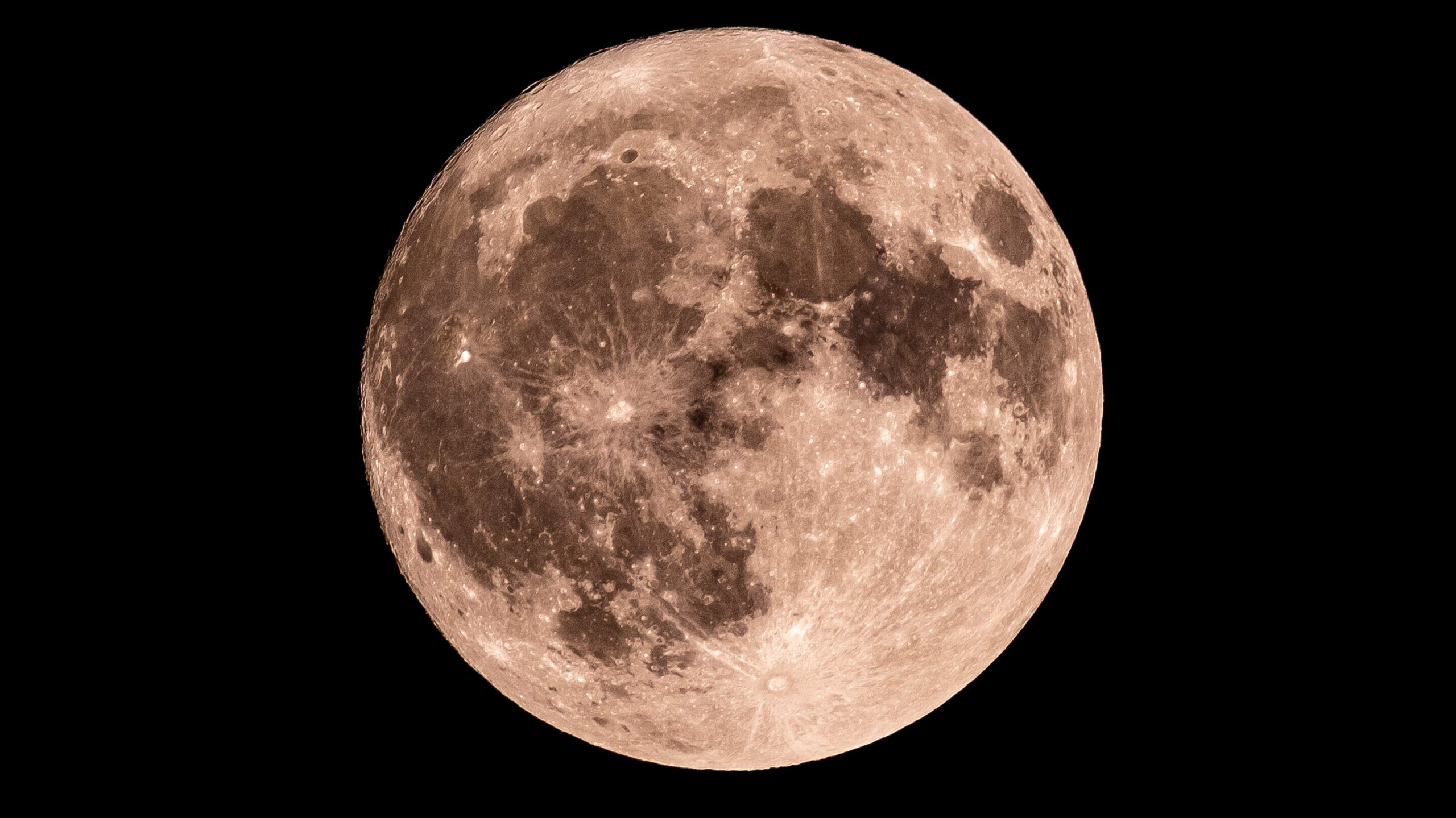

Observers worldwide will see a nearly full Moon in the night sky on March 30, as the lunar body approaches the peak of its monthly illumination cycle. The current phase provides a clear view of most of the Moon’s Earth-facing surface, a direct result of its orbital position relative to the Sun and Earth. This regular astronomical event is part of an eight-phase cycle that dictates lunar visibility from Earth.
The lunar cycle and Tonight’s Phase
The Moon’s appearance changes nightly as it orbits Earth, progressing through eight distinct phases. These phases range from the completely dark New Moon to the fully illuminated Full Moon. On March 30, the Moon is in the Waxing Gibbous phase. This phase occurs after the First Quarter and before the Full Moon, characterized by more than half of the lunar disk being illuminated by sunlight.
The amount of visible illumination increases each night during this waxing period. The term “gibbous” describes the convex, bulging shape of the lit portion. This phase is optimal for detailed observation of lunar features like craters and maria, or seas, as the sunlight casts long shadows near the terminator, the line dividing day and night on the Moon.
Scientific Basis of Moon Phases
Moon phases are not caused by Earth’s shadow, which results in lunar eclipses, but by the changing angles between the Sun, Earth, and Moon. The side of the Moon facing the Sun is always fully lit. The phase we see from Earth depends on how much of that sunlit hemisphere is visible from our perspective. During a Waxing Gibbous, a large majority of the Moon’s near side is sunlit and turned toward Earth.
The cycle from one New Moon to the next, known as a synodic month, lasts approximately 29.5 days. This cycle has been fundamental to calendar systems throughout human history and continues to influence cultural and religious practices globally.
Viewing Conditions and Global Relevance
The visibility of the Moon on March 30 will depend on local weather conditions and atmospheric clarity. Unlike some astronomical events that require telescopes, the Moon’s phases are readily observable with the naked eye. The nearly full Moon will be prominent in the evening sky after sunset and will set after midnight.
For astronomers and astrophotographers, the Waxing Gibbous phase offers excellent opportunities. The high contrast along the terminator line highlights topographic details, making it a preferred time for lunar photography and study. The brightness of the phase also means it can contribute to significant skyglow, which may reduce visibility of fainter stars and deep-sky objects.
Forward Outlook in the Lunar Calendar
Following the Waxing Gibbous phase of March 30, the Moon will continue to wax toward its next Full Moon. The exact date and time of the Full Moon vary by timezone and are calculated based on the Moon’s orbital position. After reaching full illumination, the Moon will enter the Waning Gibbous phase, where the visible lit area begins to decrease each night, moving toward the Last Quarter and eventually the New Moon to restart the cycle. This predictable pattern allows for accurate long-term forecasting of lunar phases and related phenomena, such as tidal ranges.
Source: Mashable