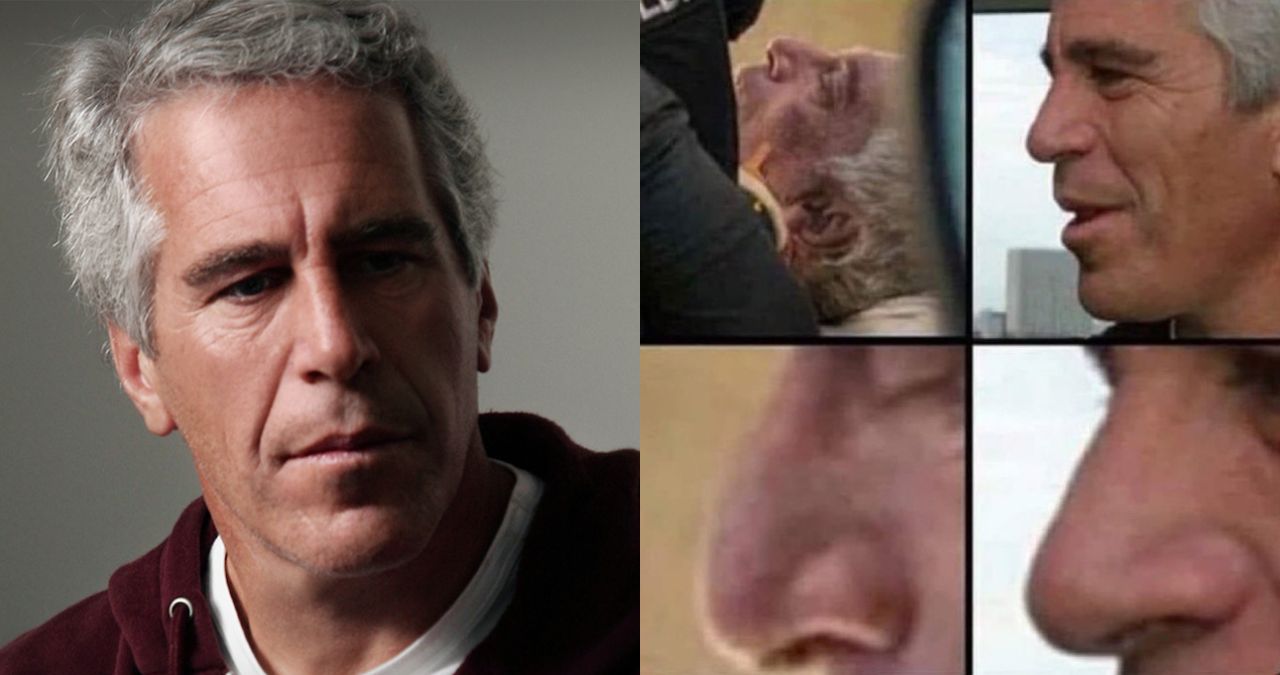

The circumstances surrounding the death of financier Jeffrey Epstein in a federal jail in 2019 continue to be defined by official contradictions and unresolved questions. Epstein was found unresponsive in his cell at the Metropolitan Correctional Center in New York on the morning of August 10. His death, ruled a suicide by hanging by the New York City Medical Examiner’s Office, occurred while he awaited trial on federal sex trafficking charges.
Sequence of Events and Immediate Aftermath
Epstein was being held in a special housing unit of the high-security facility. Official reports state that correctional officers failed to conduct required half-hour checks on him the night before his death. He was discovered during a routine round the following morning. Despite resuscitation attempts, he was pronounced dead at a local hospital.
The initial declaration of suicide was quickly met with skepticism, leading to multiple investigations. Then-Attorney General William Barr stated at the time that he was “appalled” by the “serious irregularities” uncovered at the jail. The FBI and the Department of Justice’s Office of the Inspector General opened independent probes into the incident and the procedures at the correctional center.
Investigative Findings and Lingering Gaps
The DOJ Inspector General’s report, released in June 2023, detailed extensive failures by the Bureau of Prisons staff. It confirmed that the two officers assigned to monitor Epstein were both asleep for hours and falsified log entries to show they had made their rounds. The report also noted the jail was chronically understaffed and that Epstein had been removed from suicide watch shortly before his death against protocol.
However, the report did not conclude a cause of death, deferring to the medical examiner. It also could not definitively explain how Epstein obtained the bedding material used in his death, despite being in a cell designed to minimize such risks. These factual gaps have fueled persistent conspiracy theories and legal challenges from victims seeking accountability.
Legal and Institutional Repercussions
The two correctional officers, Tova Noel and Michael Thomas, entered into a deferred prosecution agreement in 2021. They admitted to falsifying records and completed community service, avoiding prison time. The Bureau of Prisons subsequently closed the troubled Metropolitan Correctional Center in 2021, citing systemic issues with the infrastructure and operational failures.
For the victims in Epstein’s case, his death meant they were deprived of a public trial and the opportunity to confront him in court. Civil litigation has continued against his estate and associates, but the criminal proceedings against him were formally dismissed following his death.
Ongoing Scrutiny and Future Developments
Public and judicial focus remains on the broader network of individuals associated with Epstein. Investigations by various law enforcement agencies into potential co-conspirators are understood to be ongoing. The official timeline for the completion of these investigations or the release of further findings from the Inspector General’s office has not been publicly disclosed. The circumstances of Epstein’s final hours are likely to remain a subject of legal review and public debate as related cases proceed through the judicial system.
Source: Various official DOJ reports and court documents