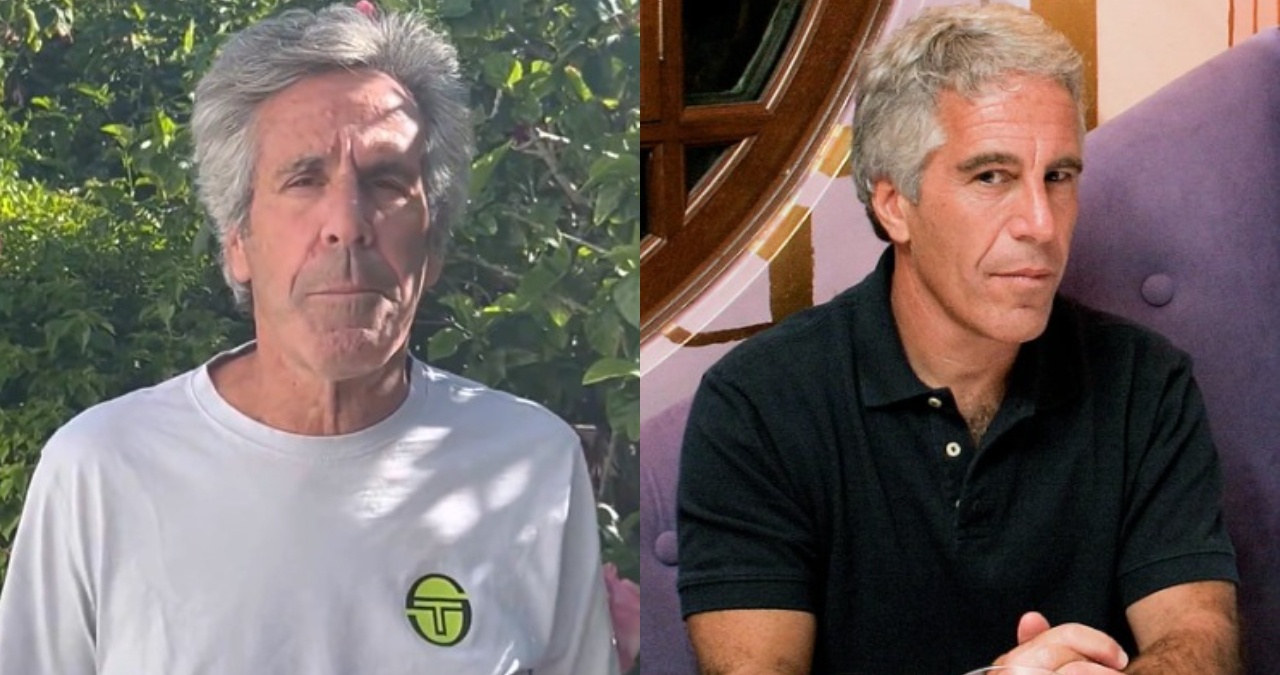

The identity of a man frequently photographed in Palm Beach, Florida, and noted for his resemblance to the late financier and convicted sex offender Jeffrey Epstein has been confirmed. The individual, widely known by the local moniker “Palm Beach Pete,” is a resident of the area named Peter, according to public records and local sources. The clarification comes after years of public curiosity and online speculation regarding the doppelgänger, whose appearances in the affluent island community have often sparked discussion and confusion.
Background and Public Presence
For several years, photographs of a man bearing a striking likeness to Jeffrey Epstein have circulated on social media and in local gossip columns. The individual was consistently seen in the Palm Beach area, frequenting high-end establishments and public spaces. This recurring presence led to his informal identification as “Palm Beach Pete” within community circles and online forums.
The resemblance to Epstein, who was a former Palm Beach resident and owned a property in the town, fueled significant public interest and occasional alarm. Epstein was arrested in 2019 on federal charges for sex trafficking of minors and died by suicide in a Manhattan jail cell while awaiting trial.
Verification of Identity
Through verification with local records and individuals familiar with the community, the man’s actual first name is Peter. He is a long-time Palm Beach resident unrelated to the Epstein case. His public appearances are part of his routine life in the community, not connected to the activities of the deceased financier.
Law enforcement officials in Palm Beach County have previously acknowledged awareness of the individual and the attention he receives due to his physical similarity to Epstein. They have stated there is no investigative link between “Palm Beach Pete” and any criminal matters associated with Epstein.
Impact of Online Speculation
The phenomenon of “Palm Beach Pete” highlights the powerful role of social media in amplifying local curiosities into subjects of international speculation. Images and videos of the lookalike have garnered millions of views online, often accompanied by unfounded theories and comments.
Digital ethics experts note that such cases demonstrate how viral content can impact the privacy of private citizens who have no connection to high-profile scandals. The spread of these images continued for years without official confirmation of the individual’s identity, allowing misinformation to persist.
Community Response and Normalization
Within Palm Beach, residents and business owners have grown accustomed to the presence of both the historical notoriety of Epstein and the coincidental existence of his lookalike. For many locals, “Palm Beach Pete” is simply a neighbor, and the initial surprise at his appearance has largely faded.
Community leaders have emphasized the importance of respecting the privacy of individuals uninvolved in criminal proceedings. They encourage the public to rely on verified information from official sources rather than social media speculation when concerning local figures.
Looking Ahead
With the individual’s common first name now publicly associated with the “Palm Beach Pete” persona, it is expected that online discussion may gradually subside. However, legal observers suggest that the case underscores an ongoing challenge in the digital age: balancing public curiosity with the rights of private citizens who inadvertently become subjects of viral attention. Further developments will likely depend on the individual’s own choices regarding his public profile and any potential steps he may take to address his unintended notoriety.
Source: Mashable