
The Entertainment Software Rating Board (ESRB) has confirmed it will not implement recent Age-Rating changes announced by its European counterpart, the Pan-European Games Information (PEGI) system. The decision, communicated this week, is based on the assessment that adopting the new PEGI criteria in the United States could create confusion for consumers. This maintains the current divergence in how video game content is classified for age-appropriateness in North America and Europe.
Details of the PEGI Changes
In June, PEGI announced sweeping updates to its age-rating system, set to take effect across European territories. The most significant change involves automatically assigning a PEGI 16 rating to any game containing paid random-item mechanics, commonly known as loot boxes. This policy shift was developed in collaboration with the European Commission and aims to provide clearer guidance to parents and players about potential risks associated with in-game purchases and chance-based rewards.
The PEGI 16 descriptor will explicitly state that the game “offers paid random items.” Other updates include new labels for games depicting discrimination and more severe penalties for providing false information during the rating process. These changes represent the most substantial overhaul of the PEGI system in recent years, reflecting growing regulatory scrutiny of monetization practices in games.
ESRB’s Rationale for a Separate Path
In response to inquiries, the ESRB stated that it has no plans to mirror PEGI’s updated approach. A spokesperson for the US-based rating organization explained that superimposing the European system’s new rules onto the North American market “could be confusing.” The ESRB emphasized that its own parental education tools, including the “In-Game Purchases” label introduced in 2020, already address consumer awareness regarding loot boxes and similar content.
The ESRB’s label appears on the physical packaging of games or on digital storefronts and indicates the presence of optional purchases within a game, though it does not distinguish between random and direct purchases. The board maintains that this existing framework, combined with its broader rating summaries, effectively informs consumers without necessitating a change to the core age categories.
Background on the Two Rating Systems
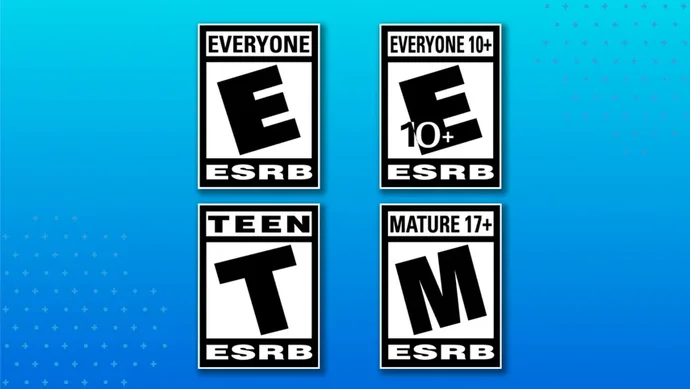
The ESRB and PEGI are the two dominant video game content rating organizations globally. The ESRB is a self-regulatory body established in 1994 that assigns ratings for games sold in the United States, Canada, and Mexico. PEGI, established in 2003, serves most of Europe and is administered by the European Federation for Interactive Software (ISFE). While both systems use age categories and content descriptors, their criteria and governance have historically differed.
This divergence means a single game can receive different age ratings and warnings in North America versus Europe. For instance, a game with loot boxes may be rated ESRB “T for Teen” with an “In-Game Purchases” label in the US, while receiving a PEGI 16 rating with a new “paid random items” notice in Europe. Publishers must submit their products to both organizations for separate evaluations to sell in these respective markets.
Industry and Regulatory Context
The global debate around loot boxes has intensified, with some jurisdictions classifying them as a form of gambling. Several countries, including Belgium and the Netherlands, have imposed restrictions or bans. PEGI’s policy change is seen as a proactive measure by the European games industry to standardize warnings and potentially pre-empt more stringent government regulation across the continent.
In the United States, legislative action on loot boxes has been discussed at the federal and state levels but has not resulted in nationwide law. The ESRB’s stance reflects a preference for industry-led solutions and consumer education over altering its fundamental rating pillars. The Federal Trade Commission in the US has also held workshops on the issue, keeping regulatory pressure as a ongoing consideration.
Looking Ahead
The ESRB’s decision solidifies a continued split in international game rating standards for the foreseeable future. The organization is likely to monitor consumer reaction to the new PEGI labels in Europe and any subsequent regulatory developments. Should US legislative efforts gain momentum, the ESRB may revisit its position. For now, game publishers marketing titles globally must continue to navigate the two distinct systems, ensuring compliance with both sets of guidelines as they prepare their products for release in Western markets.
Source: GamesIndustry.biz