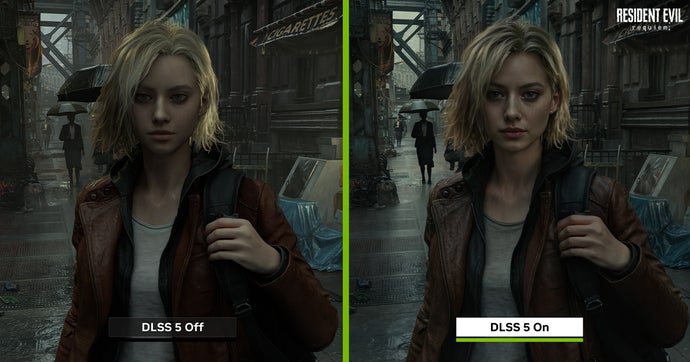

The Announcement of Nvidia‘s DLSS 5 technology earlier this week has been met with significant and ongoing criticism from segments of the gaming community and industry observers. The reaction, noted for its intensity, highlights a debate over the direction of graphics technology in video games.
Nvidia unveiled its Deep Learning Super Sampling (DLSS) 5 technology, which the company describes as a breakthrough in AI-powered visual fidelity for games. The technology is designed to use artificial intelligence to generate higher-resolution images in real-time, aiming to improve performance and image quality.
Scope of the Reaction
The scale of the negative response following the unveiling has been described as extraordinary by industry commentators. While backlash to new technology announcements is not uncommon in the gaming sector, the sustained nature of the criticism directed at DLSS 5 has drawn particular attention.
Analysts note the industry often struggles to distinguish between immediate, reflexive criticism and more substantive, justified concerns. In this instance, the discourse has persisted beyond the initial announcement period, suggesting deeper underlying issues for some stakeholders.
Context and Industry Sentiment
The gaming hardware and software market is highly sensitive to announcements regarding proprietary technologies that may influence development priorities or hardware requirements. DLSS, as a Nvidia-specific feature, has historically shaped discussions about platform exclusivity and the balance between visual innovation and accessibility.
Previous iterations of DLSS were adopted by many game developers and praised for performance gains, but also faced scrutiny over image artifacts and vendor lock-in. The announcement of a fifth generation arrives amid a competitive landscape featuring similar upscaling technologies from other hardware manufacturers.
Neutral Examination of Concerns
While the original commentary framed the backlash as a potential overreaction versus a justified rejection, a factual report must note the range of expressed viewpoints without endorsement. Common themes in reported criticism include concerns over the increasing reliance on AI-generated frames, potential impacts on game development resources, and the perpetuation of hardware ecosystem divisions.
Other discussions focus on the practical implications for gamers who do not own the latest Nvidia hardware, questioning whether such advancements marginalize users of older or competing products. These discussions are part of a broader, ongoing conversation about technology adoption cycles in consumer electronics.
Official Position and Technical Claims
Nvidia’s official announcement materials state that DLSS 5 represents a significant leap in rendering efficiency and visual quality. The company’s documentation outlines technical goals of producing image quality that matches or exceeds native resolution rendering while using substantially less computational power.
The technology is not yet available in any consumer product, and its full specifications and supported hardware list are expected to be detailed closer to its release. Nvidia has not issued a formal public statement addressing the specific criticisms of the announcement itself.
Looking Ahead
The focus now shifts to upcoming industry events where more technical details may be revealed. The true impact of DLSS 5 will be measurable only upon its integration into commercial games and independent performance analyses. Industry watchers anticipate further clarification from Nvidia regarding rollout timelines, developer support, and backward compatibility in the coming months. The sustained discussion indicates that the reception of this technology will be a key point of observation for the graphics technology sector throughout the year.
Source: GamesIndustry.biz