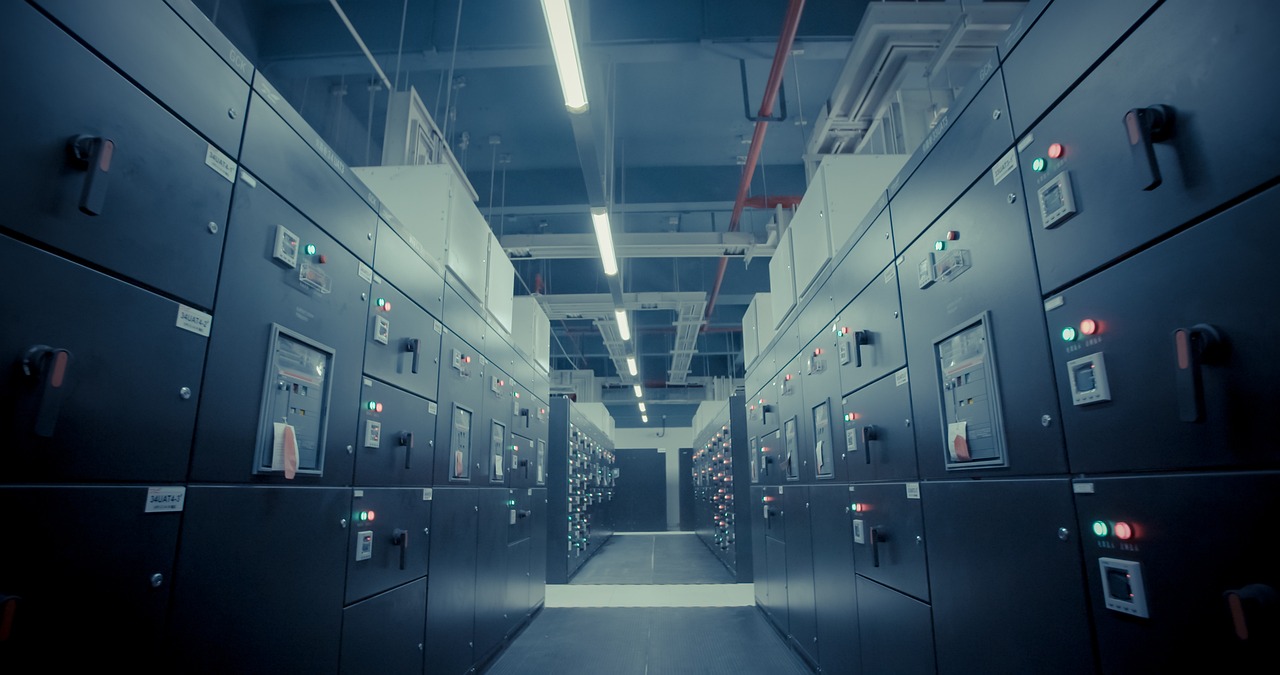

The rapid expansion of artificial intelligence infrastructure is creating a significant bottleneck in global power supply, shifting investor attention toward the energy technology sector. This development, observed in major technology hubs worldwide, highlights a fundamental constraint on the growth of data centers required for advanced AI systems.
The Core Constraint: Powering AI Data Centers
Artificial intelligence models, particularly large language models and generative AI systems, require immense computational power. This demand is concentrated in specialized data centers that consume electricity at an unprecedented scale. Industry analysts report that a single AI server cluster can use more power than a small town.
The surge in AI development has accelerated the construction of these facilities. However, the electrical grids in many regions were not designed to handle such concentrated, high-volume loads on short timelines. This discrepancy between AI’s power hunger and grid capacity is the primary bottleneck.
Investment Shifts Toward Energy Solutions
Financial markets are responding to this physical constraint. Venture capital firms and institutional investors are increasing their allocations to companies developing solutions for energy generation, storage, and management. This includes next-generation nuclear fission, advanced geothermal systems, and large-scale battery storage technologies.
Public market activity also reflects this trend. Stocks for established utility companies with plans for grid expansion and renewable energy firms have seen increased analyst coverage. The investment thesis centers on the necessity of solving the power problem to unlock the next phase of AI advancement.
Industry and Government Responses
Major technology companies operating AI data centers are pursuing multiple strategies. These include signing long-term power purchase agreements for renewable energy, investing directly in new power generation projects, and exploring advanced cooling technologies to improve efficiency. Some are considering locating new data centers near existing power sources, such as hydroelectric dams.
Government bodies in several countries are reviewing policies related to energy infrastructure. Discussions involve streamlining permits for grid upgrades and providing incentives for deploying clean, baseload power generation capable of supporting 24/7 AI operations.
Implications for Technology and Energy Sectors
The convergence of AI and energy needs is creating a new interdisciplinary field. Engineers and policymakers are now required to address challenges at the intersection of computational science and electrical engineering. The situation underscores that technological progress in software is increasingly dependent on hardware and physical infrastructure.
Energy experts note that the AI-driven demand could accelerate the adoption of nascent power technologies. The need for reliable, dense, and sustainable electricity may provide the commercial impetus needed to bring advanced nuclear and geothermal projects to market faster than previous forecasts predicted.
Forward Outlook and Expected Developments
The interconnection between AI development and energy capacity is expected to remain a dominant theme for investors and technology planners for the foreseeable future. Market observers anticipate continued merger and acquisition activity as large tech firms seek to secure energy assets. Further policy announcements from national governments regarding strategic infrastructure investments are likely in the coming months. The resolution of this power bottleneck is widely seen as a critical determinant of the pace and scale of future AI innovation.
Source: GeekWire