
As Muslims worldwide prepare to mark the end of Ramadan in 2026, the exchange of digital greetings through images and animated GIFs is expected to see a significant increase. This trend reflects the continued integration of technology into traditional religious and cultural celebrations, allowing families and friends separated by distance to connect.
The Shift to Digital Communication
The practice of sharing “Eid Mubarak” messages has evolved considerably with the proliferation of smartphones and social media platforms. Where physical cards and phone calls were once primary methods, visual digital content now plays a central role. This shift is particularly pronounced among younger demographics who utilize platforms like WhatsApp, Instagram, and Facebook for holiday communication.
Industry analysts note that the days surrounding Eid Al-Fitr consistently generate a surge in digital traffic related to greeting card content. Messaging apps report increased usage, and searches for themed visuals spike in the lead-up to the holiday. This pattern is anticipated to continue and intensify for the 2026 observance.
Content Creation and Curation
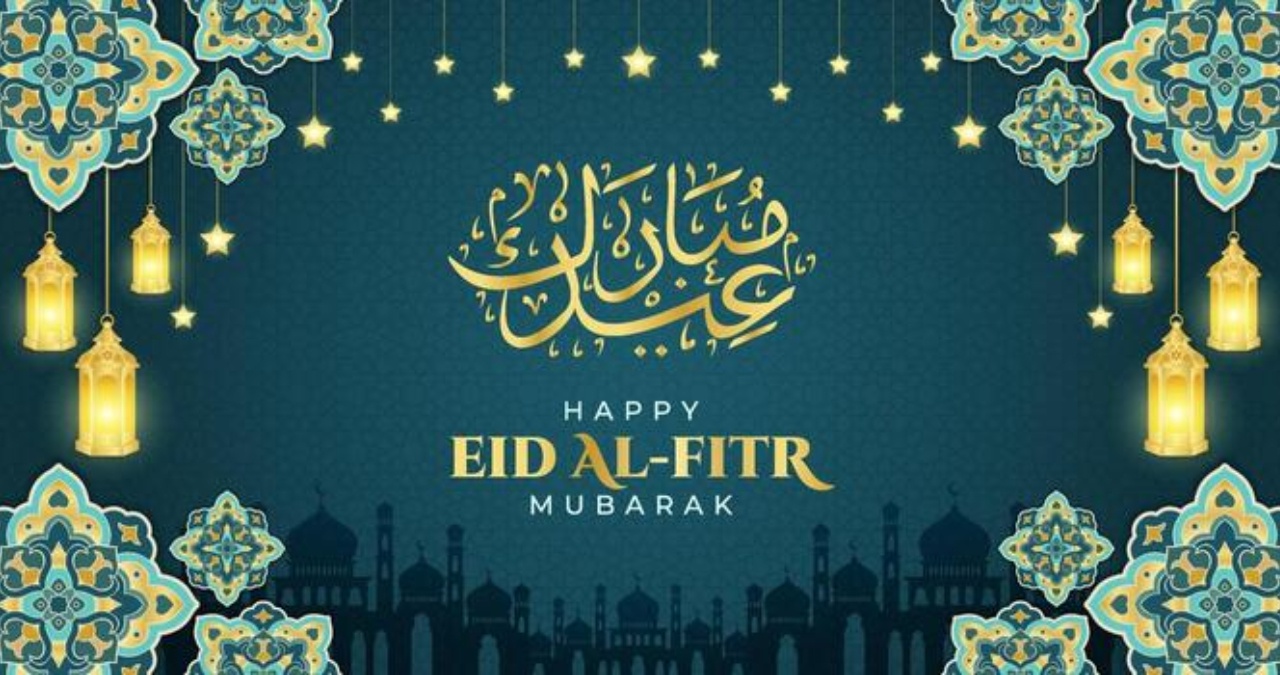
A wide variety of digital content is shared during this period. This includes professionally designed still images featuring calligraphy, lanterns, moons, and mosques, as well as short, looped animated graphics known as GIFs. These GIFs often incorporate elements of movement, such as sparkling stars or the text “Eid Mubarak” appearing in sequence.
Content is sourced from multiple channels. Many users access free libraries provided within messaging applications or from websites specializing in holiday graphics. Others share original content created using mobile editing software or commission digital artists for personalized greetings.
Cultural Significance in a Digital Age
Scholars of digital culture observe that this practice maintains the core social function of Eid greetings, which is to strengthen community bonds and express well-wishes. The digital format allows for immediate, widespread sharing that transcends geographical barriers, enabling global Muslim communities to participate in a shared ritual.
The visual nature of these greetings is also significant. Intricate designs often incorporate traditional Islamic art motifs, serving as a form of cultural expression and preservation in a modern context. The act of selecting and sending a specific image or GIF can carry personal meaning, reflecting the sender’s taste and the relationship with the recipient.
Platform Policies and User Considerations
Major technology platforms have generally accommodated this seasonal usage. However, experts remind users to be mindful of copyright when sharing created content and to respect the terms of service of individual apps and websites. As with all online sharing, maintaining respectful and appropriate communication remains paramount.
The ease of forwarding also raises considerations about information overload. Some community leaders encourage thoughtful, personalized messages alongside shared visuals to preserve the sincerity of the holiday greeting tradition.
Future Trends and Developments
Looking ahead to Eid Al-Fitr in 2026 and beyond, technology observers predict further evolution in digital greetings. The integration of augmented reality filters, more sophisticated personalization options using AI, and the use of short-form video formats for greetings are seen as likely developments. The underlying driver of using technology to foster connection during religious holidays, however, is expected to remain a constant.
Source: Various technology and social media trend reports