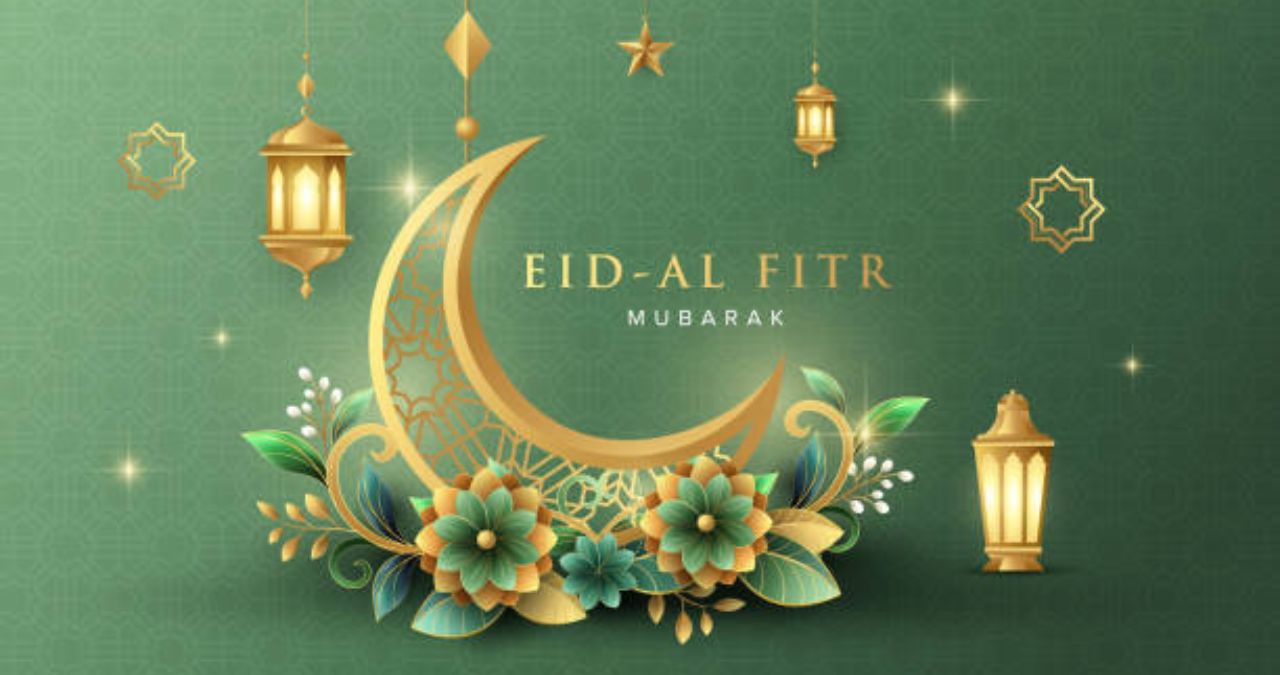

As Muslims worldwide prepare to celebrate Eid al-Fitr in 2026, a significant shift toward digital communication for sharing festival greetings is being observed. The trend, which has grown steadily over the past decade, involves the widespread use of social media platforms, messaging applications, and digital tools to exchange well-wishes, quotes, and celebratory messages.
The festival, marking the end of the holy month of Ramadan, is a time for communal prayer, feasting, and charity. Traditionally, greetings were shared in person or via telephone. However, the integration of technology into daily life has fundamentally changed these social rituals, according to communications analysts.
The Rise of Digital Festivity
Platforms like WhatsApp, Instagram, Facebook, and X (formerly Twitter) report annual surges in user activity related to major religious holidays. For Eid al-Fitr, this manifests as a high volume of shared images, pre-written messages, short video clips, and status updates containing phrases like “Eid Mubarak.”
This digital expression allows individuals to maintain connections with a global network of family, friends, and colleagues instantly. The practice is particularly noted among younger demographics and diaspora communities for whom digital channels are a primary means of sustaining cultural and religious ties across distances.
Content and Format Trends
The content shared digitally ranges from simple text messages to elaborate graphic designs and animated videos. Many users curate or create specific content for their WhatsApp status or Instagram stories, often featuring calligraphy, symbolic imagery like moons and lanterns, and traditional greetings translated into multiple languages.
Technology companies have noted this behavioral pattern. Some messaging and social media apps have, in recent years, introduced themed stickers, filters, and augmented reality features timed to coincide with major global festivals, including Eid al-Fitr, though they maintain these are general product updates.
Societal and Cultural Impact
Cultural observers note that while digital greetings increase the reach and frequency of communication, some community leaders emphasize the continued importance of personal interaction where possible. The ease of sending a bulk message has also sparked discussions about the personalization and sincerity of digital versus traditional greetings.
Nevertheless, the consensus among sociologists studying digital culture is that online greetings have become a mainstream, complementary aspect of modern festival observance. They serve not only to convey wishes but also to publicly express religious and cultural identity in digital spaces.
Looking ahead, the intersection of religious observance and digital communication is expected to deepen. Analysts anticipate further innovation in how greetings are shared, potentially incorporating more interactive or immersive technologies. The pattern set by Eid al-Fitr 2026 is likely to be replicated and expanded upon during future religious and cultural holidays worldwide as digital literacy and access continue to grow.
Source: Various communications and technology trend reports