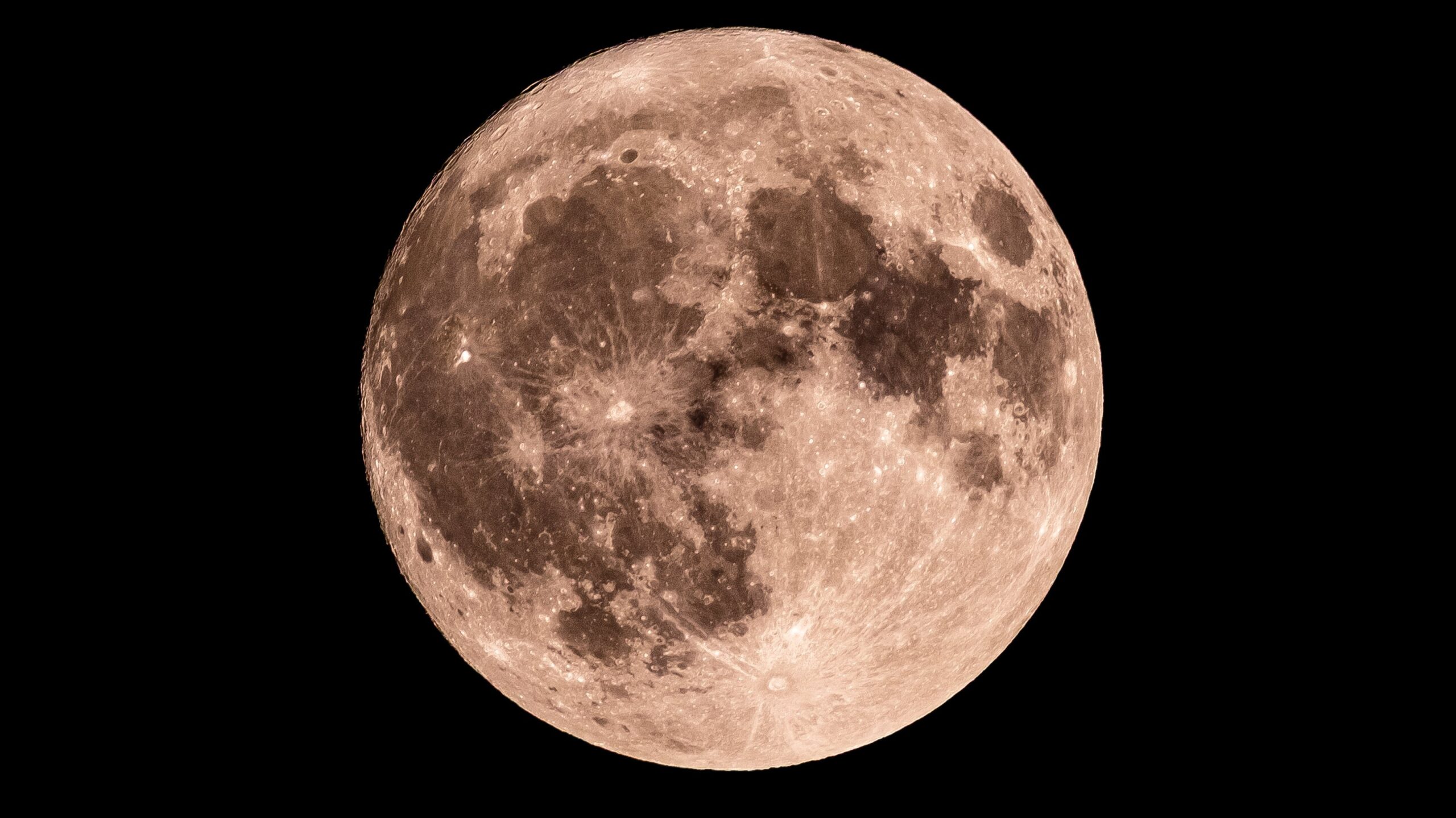

A new lunar cycle began on the evening of Thursday, March 19, as the Moon entered its New moon phase. This astronomical event, visible worldwide, marks the start of a fresh lunar month with the Moon positioned directly between the Earth and the Sun.
During this alignment, the side of the Moon illuminated by the Sun faces away from Earth. Consequently, the lunar surface visible from our planet receives no direct sunlight, rendering it effectively invisible to the naked eye in the night sky. The event is a standard phase in the Moon’s predictable 29.5-day orbit.
Understanding the new moon Phase
The New Moon represents the first primary phase in the lunar cycle. It occurs when the Moon’s ecliptic longitude matches that of the Sun, making the two bodies appear aligned from an Earth-based perspective. This alignment is not always perfect; a precise alignment results in a solar eclipse, which did not occur on this date.
This period of lunar invisibility provides optimal conditions for stargazers and astronomers. The absence of moonlight creates darker skies, allowing for clearer observation of faint celestial objects like distant stars, galaxies, and nebulae.
Scientific and Cultural Significance
The recurring New Moon phase is fundamental to timekeeping. Many cultural and religious calendars, including the Islamic Hijri and Hebrew lunisolar calendars, use the sighting of the New Moon crescent to mark the beginning of new months.
From a scientific standpoint, the New Moon’s position enables specific types of astronomical research. The dark sky facilitates deep-space observations, while the alignment allows scientists to study the Sun’s corona and solar wind without lunar interference during specialized satellite missions.
Observing the Lunar Cycle
Following the New Moon, a thin waxing crescent will become visible in the western sky just after sunset within the next one to two days. The Moon will then progress sequentially through its first quarter, full moon, and last quarter phases over the following weeks.
The exact timing of moon phases is calculated using ephemeris data and is consistent globally, though local visibility of the initial crescent depends on atmospheric conditions, geographic location, and the Moon’s orbital geometry.
Forward Outlook
The next primary lunar phase, the First Quarter Moon, is expected to occur approximately one week after the New Moon. Observers can anticipate seeing half of the Moon’s near side illuminated by late March. The Full Moon for this cycle is projected for early April, according to astronomical tables published by major observatories.
Source: Original astronomical data