
Echo Foundry, a game development studio, has announced its intention to revive the rhythm game genre, asserting that a dedicated player base remains active but underserved. The studio’s leadership made the statement this week, framing their new project as a response to a market gap rather than creating demand from scratch.
According to developers at the studio, the core audience for music based video games never vanished. They argue that a lack of new, high quality titles in the genre has left these players with few options. The studio is currently developing an unannounced project built on this premise, aiming to cater to longstanding fans.
Historical Context of rhythm games
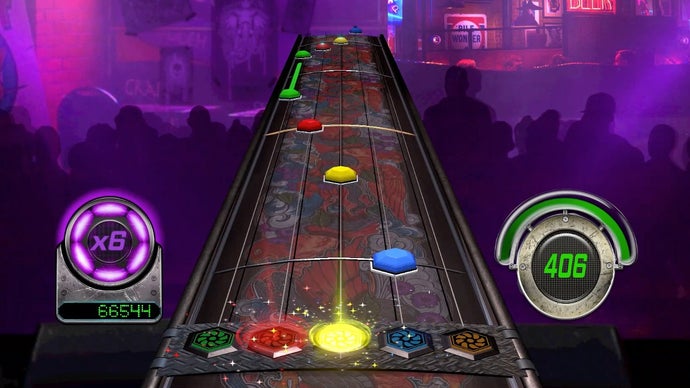
Rhythm games experienced a significant surge in popularity during the late 2000s, led by franchises like Guitar Hero and Rock Band. These titles often utilized specialized plastic instrument peripherals, creating a social and physical gaming experience. The genre’s commercial peak was followed by a steep decline, widely attributed to market oversaturation and shifting consumer interests.
In the years since, the genre has persisted primarily in niche markets and through legacy titles. Some games, like the long running Dance Dance Revolution series in arcades, have maintained a consistent, if smaller, following. The rise of virtual reality has also introduced new formats for rhythm based gameplay, though these have not achieved mainstream dominance.
Studio Philosophy and Market Analysis
Echo Foundry’s approach is predicated on data and community sentiment suggesting sustained interest. The studio has conducted market research indicating that players who grew up with the genre’s heyday are now adults with disposable income, seeking sophisticated experiences that recapture that engagement.
“The player base never disappeared; they just didn’t have anything to play,” a representative from Echo Foundry stated. This perspective challenges the common narrative that the genre itself became obsolete. Instead, the studio posits that innovation and quality production stalled.
Technical and Design Considerations
Modern revivals of the genre face unique challenges and opportunities. Contemporary gaming hardware offers significantly more processing power and storage than the consoles of the 2000s, allowing for more complex audio processing, higher fidelity graphics, and larger song libraries. Furthermore, digital distribution platforms facilitate easier and more frequent content updates.
However, developers must also consider the high cost of music licensing, which has historically been a major barrier for rhythm game projects. New business models, such as subscription services or partnerships with music streaming platforms, could provide alternative frameworks for securing a diverse and current soundtrack.
Future Developments and Industry Impact
Echo Foundry has not released a specific timeline for its project’s announcement or launch. The studio’s entry into this space is being watched by industry analysts as a test case for the genre’s commercial viability in the current market. Success could encourage other developers and publishers to reinvest in rhythm based gameplay.
The next steps for the genre will likely depend on the execution of these new projects. Key factors will include the integration of modern online features, community driven content creation tools, and accessibility options to welcome new players. The long term outlook remains uncertain, but dedicated development efforts are now underway to answer the question of a full genre revival.
Source: GamesIndustry.biz