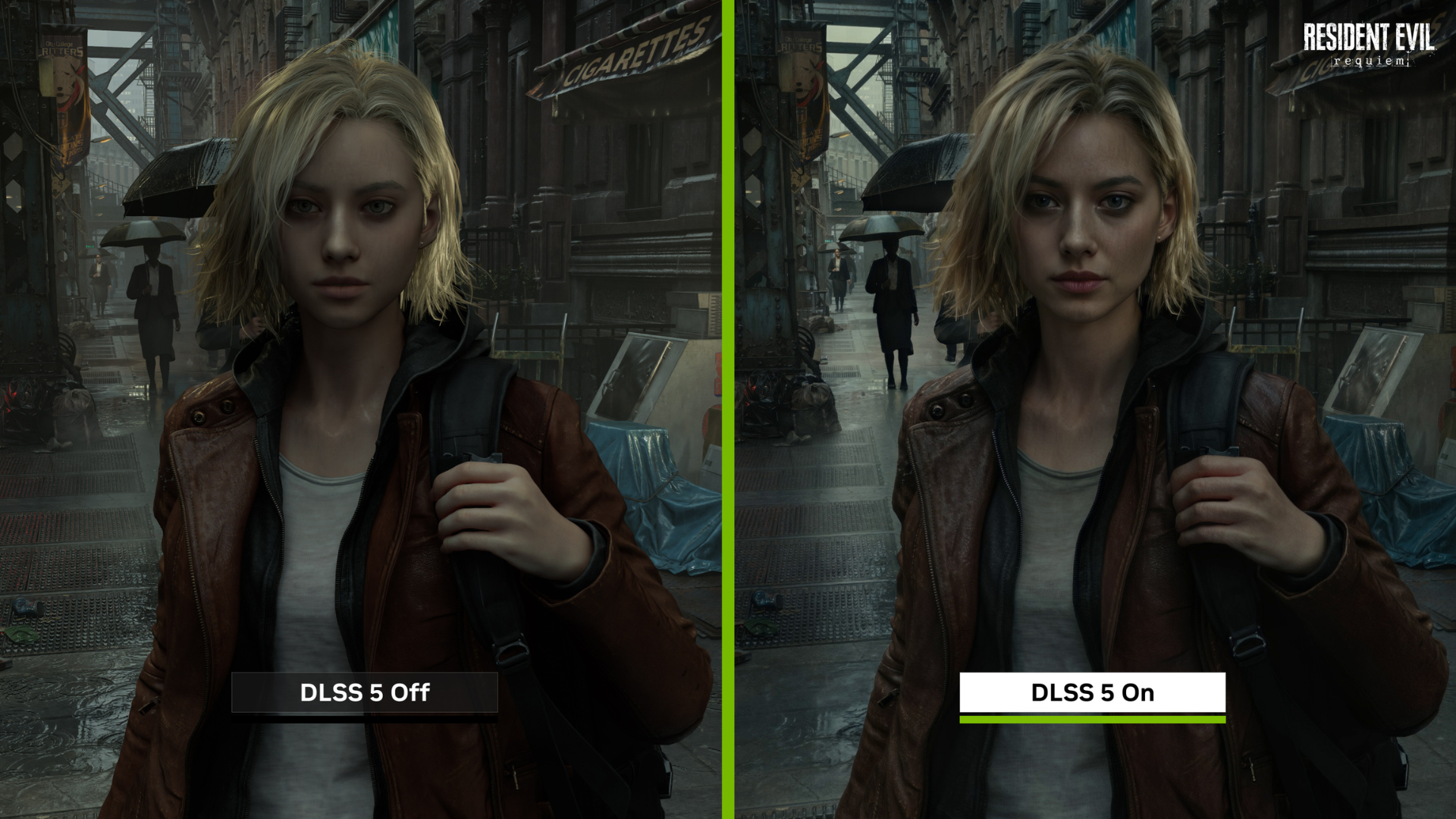

NVIDIA CEO Jensen Huang has publicly defended the company’s latest AI-powered graphics technology following swift and widespread criticism from the gaming community. The controversy began after NVIDIA unveiled its DLSS 5 rendering model on Monday, a tool designed to use artificial intelligence to enhance in-game lighting and materials.
The core function of DLSS 5, as presented by NVIDIA, is to apply AI processing to add what the company describes as “photoreal lighting and materials” to video game graphics. The technology is intended to function as an upgrade layer, aiming to improve visual fidelity beyond a game’s original rendering.
Immediate Backlash from Gamers
Shortly after the announcement, a significant negative reaction emerged online, primarily across social media platforms and gaming forums. Critics, including many players and digital artists, argued that the AI processing effectively overrides the intentional artistic style of video games. A prevalent term used to describe the technology was an “AI slop filter,” suggesting the AI homogenizes distinct visual designs into a generic, overly processed look.
Memes and critical discussions about the AI rendering model spread rapidly, forming the basis of the consumer backlash. The central concern raised is that the technology could erase the unique aesthetic choices made by game developers, from specific color palettes and lighting moods to distinctive texture work, in favor of a uniform standard of “realism.”
The CEO’s Response
In response to the criticism, CEO Jensen Huang addressed the concerns. He stated that the technology is intended as an optional feature for gamers who wish to push graphical boundaries, not a mandatory override. Huang emphasized that DLSS 5 is a tool for enhancement, asserting that the goal is to provide more choice and higher performance for users with compatible hardware.
He framed the development as part of NVIDIA’s ongoing commitment to advancing real-time graphics through AI and machine learning. The defense positions DLSS 5 as an evolutionary step in the company’s Deep Learning Super Sampling suite, which previously focused on boosting frame rates and resolution through AI reconstruction.
Broader Industry Context
This incident highlights a growing tension in the gaming industry between the push for photorealistic graphics powered by AI and the preservation of artistic intent. As AI tools become more powerful and integrated into development and post-processing pipelines, debates about their appropriate use are likely to intensify. The reaction to DLSS 5 mirrors past discussions about motion smoothing on televisions or aggressive post-processing filters, where technological capability clashes with directorial or artistic vision.
NVIDIA’s DLSS technology has been widely adopted in the gaming market for its performance benefits. This marks one of the first times a major iteration has faced significant pushback based on perceived artistic compromise rather than technical performance.
Looking Ahead
The discussion around DLSS 5 is expected to continue as more technical details and visual examples become available. The technology’s adoption will ultimately depend on its implementation by game developers and acceptance by players. NVIDIA has indicated it will continue to engage with the community feedback as the technology moves from announcement to integration in future games and driver updates. The outcome of this debate may influence how AI graphics tools are marketed and designed, with a potential increased focus on preserving stylistic control.
Source: Mashable