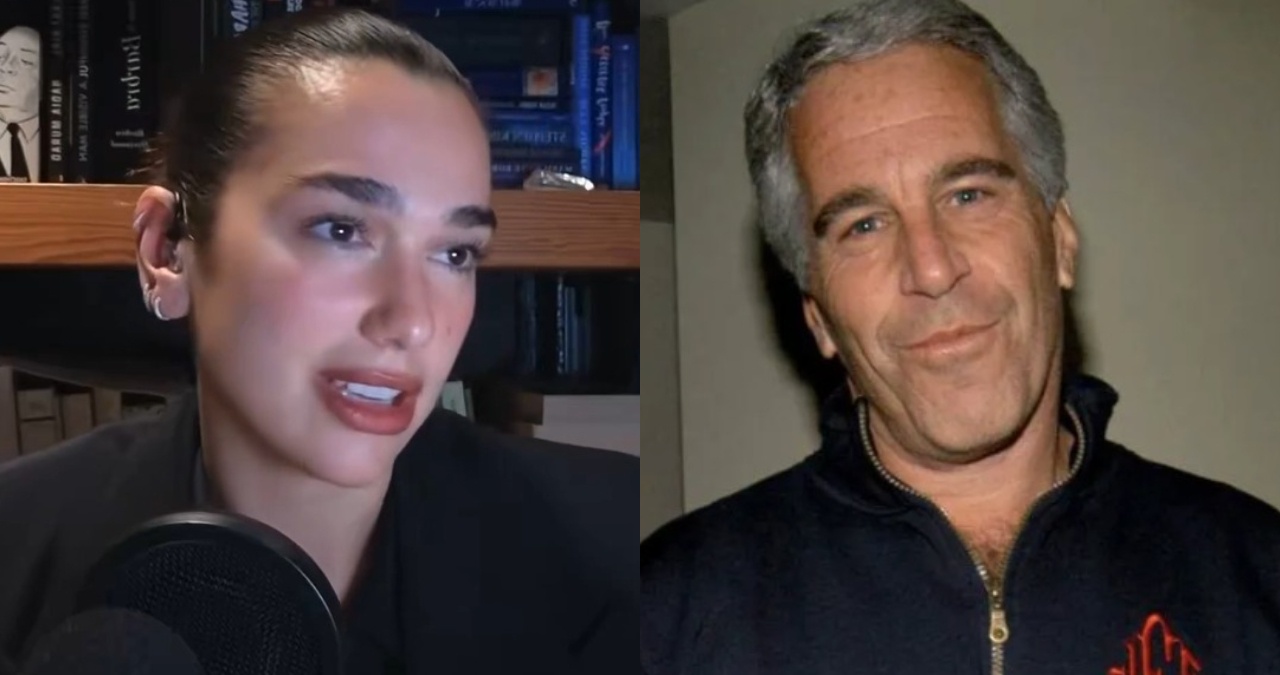

Pop star Dua Lipa has publicly criticized the media and public discourse surrounding the recent release of documents related to the late financier Jeffrey Epstein. The singer stated that the intense focus on the names within the files is a disservice to the victims of his crimes. Lipa made these comments during a recent interview, addressing the widespread speculation that has dominated news cycles and social media.
Jeffrey Epstein died in 2019 while in federal custody, awaiting trial on sex trafficking charges. The subsequent release of court documents, part of a settled civil case, has led to a frenzy of online discussion as the public scrutinizes the list of associates and visitors named within them. Lipa’s intervention shifts the focus back to the core issue of victimhood and the potential for the spectacle to cause further harm.
Shifting the Narrative Back to Victims
In her statement, Lipa emphasized that the primary victims of Epstein’s actions risk being overshadowed by celebrity gossip and conspiracy theories. She argued that the conversation should center on justice, support for survivors, and systemic failures that allowed the abuse to occur, rather than on salacious details about high-profile figures potentially linked to Epstein.
“It’s doing disservice to all victims,” Lipa said of the current discourse. Her comments reflect concerns voiced by advocates for survivors of sexual abuse, who warn that sensationalized coverage can retraumatize individuals and distract from meaningful legal and social reforms.
Context of the Document Release
The documents in question are from a 2015 defamation lawsuit filed by Virginia Giuffre, one of Epstein’s accusers, against Ghislaine Maxwell. Maxwell was later convicted for her role in facilitating Epstein’s abuse. The recent unsealing, ordered by a judge, has made public hundreds of pages that include depositions, emails, and other legal filings.
While the documents contain names of many people connected to Epstein, their inclusion does not imply wrongdoing. Legal experts and journalists have repeatedly cautioned that the files often mention individuals in contexts ranging from potential witnesses to casual acquaintances. Despite these cautions, the release has fueled widespread and often unsubstantiated speculation online.
Reactions and Broader Implications
Lipa’s remarks have been noted by media observers as a significant contribution from a figure outside the immediate legal or advocacy circles typically associated with this case. As a global music icon with a massive following, her perspective brings the issue to a different, younger audience and underscores the cultural magnitude of the Epstein saga.
Advocacy groups have echoed similar sentiments, calling for responsible reporting that prioritizes the dignity and recovery of survivors. They stress the importance of using public attention to advocate for stronger protections for victims of trafficking and abuse, rather than indulging in speculative name-games.
The future public and legal discourse around the Epstein case will likely continue to evolve as more information becomes available. Observers expect further court proceedings related to other associates and ongoing investigations into the networks that enabled Epstein’s crimes. The challenge, as highlighted by Lipa and advocates, will be to ensure this process remains focused on accountability and support for victims, rather than spectacle.
Source: Mashable