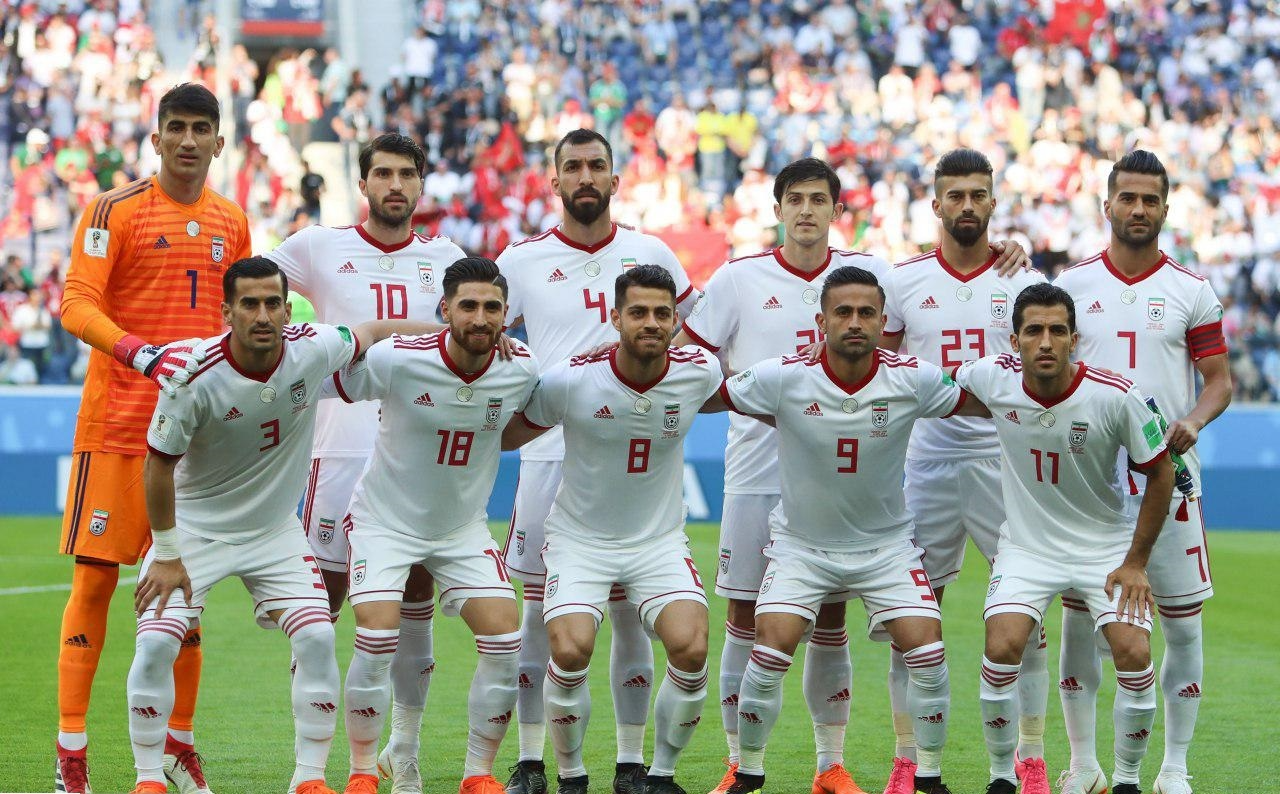

The Iranian Football Federation has formally requested that FIFA, the global governing body for soccer, relocate the 2026 FIFA World Cup from its planned host nations to Mexico. The request, confirmed by Iranian state media, cites logistical and security concerns for the national team as the primary motivation. As of this report, FIFA has not issued a public response to the unprecedented petition.
Details of the Official Request
According to reports from Iranian news agencies, the federation submitted its request directly to FIFA headquarters in Zurich, Switzerland. The proposal specifically asks for the entire 2026 tournament to be moved to Mexico. The 2026 World Cup is currently scheduled to be jointly hosted by the United States, Canada, and Mexico, marking the first time the event will be held across three nations.
The Iranian federation’s statement emphasized challenges related to travel and preparatory arrangements for its team. Officials pointed to the geographical distance and complex visa requirements involved in moving between the three North American host countries as significant hurdles.
Background and Regional Context
This request occurs within a specific geopolitical context. Iran’s national team has faced complications during recent international competitions. Notably, during the 2022 World Cup in Qatar, the team navigated a tournament held amid significant domestic political protests and diplomatic tensions.
The United States, a primary host for 2026, does not maintain formal diplomatic relations with Iran. This has historically created complications for Iranian athletes seeking visas for competitions held in the U.S. The Iranian federation’s request appears to preemptively address these potential administrative and diplomatic obstacles.
FIFA’s Stance and Tournament Logistics
FIFA has a longstanding policy of selecting World Cup hosts years in advance through a detailed bidding process. The United 2026 bid, featuring the three-nation model, was officially awarded in 2018. Extensive planning, including massive infrastructure investments and scheduling, is already deeply underway across all three host countries.
Relocating an event of this scale, with 48 teams and an expected millions of spectators, less than two years before its start is considered by sports logistics experts to be virtually impossible. FIFA statutes also grant the organization sole authority over the designation of host countries, making the unilateral reassignment of hosting rights highly improbable.
Potential Implications and Next Steps
The immediate implication of Iran’s request is uncertain. FIFA typically addresses member federation concerns through official channels without public commentary in the initial stages. The organization may issue a standard acknowledgment of receipt while its legal and operational committees review the submission’s merits.
Sports analysts suggest the request may function less as a realistic proposal and more as a formal means for Iran to register its operational concerns with FIFA. This could initiate behind-the-scenes discussions to facilitate smoother logistics for the Iranian team within the existing three-host framework, such as guaranteed base camp locations or streamlined visa processes.
The expected next step is an official communication from FIFA to the Iranian Football Federation. This response will likely outline the governing body’s position and any potential measures to address logistical concerns. All participating federations will receive final tournament regulations, including travel and accommodation protocols, well in advance of the 2026 kickoff.
Source: Various international news agencies