
Chris Charla, the head of Microsoft’s ID@Xbox independent developer program, has highlighted the persistent challenge of pricing for small-scale video game creators. Charla made the remarks during an interview at the recent Game Developers Conference in San Francisco.
The executive, who has led the initiative supporting indie titles on Xbox platforms since 2013, stated that many developers tend to undervalue their own creative work. This self-undervaluation complicates the already difficult process of setting a retail price for a game in a crowded digital marketplace.
The Core Pricing Dilemma
Charla’s comments point to a central tension in the independent game sector. Developers must balance the need to earn a sustainable return on their investment of time and resources against market expectations and intense competition. Setting a price too high can limit sales, while pricing too low may fail to cover development costs and diminish the perceived value of the product.
This pricing conundrum exists alongside the ongoing issue of discoverability. With hundreds of new games releasing on digital storefronts each week, getting potential customers to notice a title is a significant hurdle for any independent studio, regardless of the price point.
Context of the ID@Xbox Program
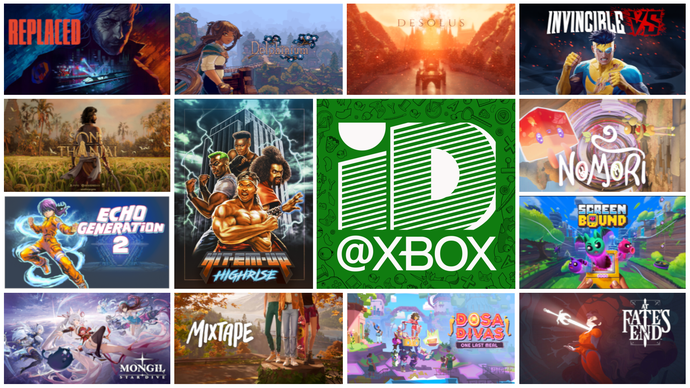
The ID@Xbox program was established to provide independent developers with the tools and support to publish their games on the Xbox ecosystem. It offers access to development kits and a route to publication on the Microsoft Store and the Xbox Game Pass subscription service.
Charla’s long tenure leading the program gives his observations on industry trends considerable weight. His perspective is informed by over a decade of working directly with a wide array of independent development teams navigating the commercial aspects of game publishing.
The discussion at GDC, a major annual gathering for game industry professionals, underscores that pricing strategy remains a top-of-mind concern for creators. It is considered a business decision as critical as the game design and development process itself.
Market Realities and Developer Psychology
Industry analysis suggests that the tendency to undervalue work can stem from a developer’s close, personal connection to the project. Creators may have difficulty objectively assessing the market value of their game after years of focused development.
Furthermore, the prevalence of deep discounts, frequent sales, and the inclusion of games in subscription services like Xbox Game Pass has reshaped consumer price expectations. This environment makes initial pricing decisions even more complex for independent developers aiming to stand out.
Charla did not prescribe specific pricing solutions but framed the issue as a common and understandable struggle for independent teams. The recognition of this challenge by a leading platform executive validates the experiences of many developers in the field.
Looking Ahead
The conversation around indie game valuation and pricing is expected to continue as the market evolves. Platform holders like Microsoft may explore further tools or guidance to assist developers with these business decisions. The performance of games at various price points will continue to be closely watched by analysts and developers alike, informing future strategies for the independent development community.
Source: GamesIndustry.biz