
Corporate boards and executive leadership teams globally are confronting heightened legal and ethical scrutiny over their oversight of cybersecurity risks, particularly those amplified by artificial intelligence and automated attack tools. This shift follows a series of high-profile security incidents where regulatory bodies and shareholders have challenged traditional risk management approaches.
The central question now posed to leaders in post-incident reviews is a direct one: “You knew, and you could have acted. Why didn’t you?” Legal experts and governance analysts indicate this line of inquiry is becoming commonplace in regulatory hearings and shareholder lawsuits.
Evolving Standards for Cyber Risk Governance
For years, a large backlog of known software vulnerabilities was often treated by many organizations as an uncomfortable but tolerable operational reality. This posture was frequently summarized by the phrase, “we’ve accepted the risk.” However, security professionals note that the landscape of threats has fundamentally changed.
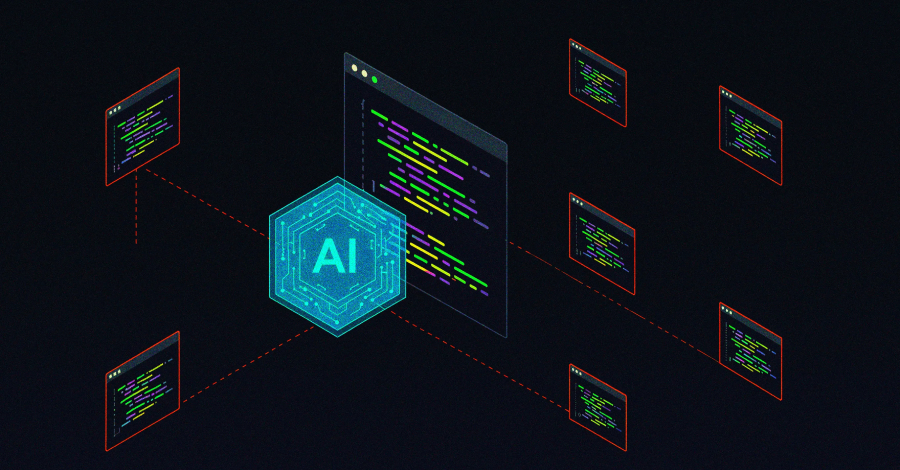
The advent of sophisticated, AI-driven exploitation tools has dramatically accelerated the time between the discovery of a vulnerability and its active weaponization. What was once a risk that could be managed over weeks or months may now represent a critical business threat within hours or days.
Regulatory and Legal Implications
This technological shift is forcing a reevaluation of corporate governance duties. Board members, who have a fiduciary responsibility to oversee risk management, are now expected to possess a functional understanding of how AI automation changes the threat model. Simply relying on periodic high-level briefings is increasingly seen as insufficient.
Governance frameworks, such as those suggested by the National Association of Corporate Directors and international standards bodies, are being updated to reflect this new reality. The focus is moving from passive awareness to active inquiry and documented oversight of how management prioritizes and remediates security flaws in an age of automated attacks.
The Technical and Operational Challenge
On a technical level, security teams report that the volume and speed of attacks powered by automated scanning and AI-crafted exploits overwhelm traditional patch management cycles. This creates a significant operational gap between known vulnerabilities and deployed fixes, a gap that malicious actors are equipped to exploit with unprecedented efficiency.
Consequently, board-level conversations are increasingly required to address resource allocation for security teams, the adoption of more proactive threat detection systems, and the implementation of robust incident response plans that account for AI-scale threats.
Forward-Looking Expectations for Leadership
Looking ahead, analysts predict continued pressure from regulators, insurers, and investors for demonstrable board-level competency in cybersecurity oversight. Expected developments include more stringent disclosure requirements regarding security governance in annual reports and the potential for personal liability for directors found grossly negligent in their oversight duties.
Official guidance from securities regulators in multiple jurisdictions is anticipated within the next 12 to 18 months, aiming to standardize how public companies report on their governance of AI-related and automated cyber risks. Corporate boards are advised to proactively review their committee charters and ensure they have access to independent expert advice on these evolving technological threats.
Source: Various governance and cybersecurity publications