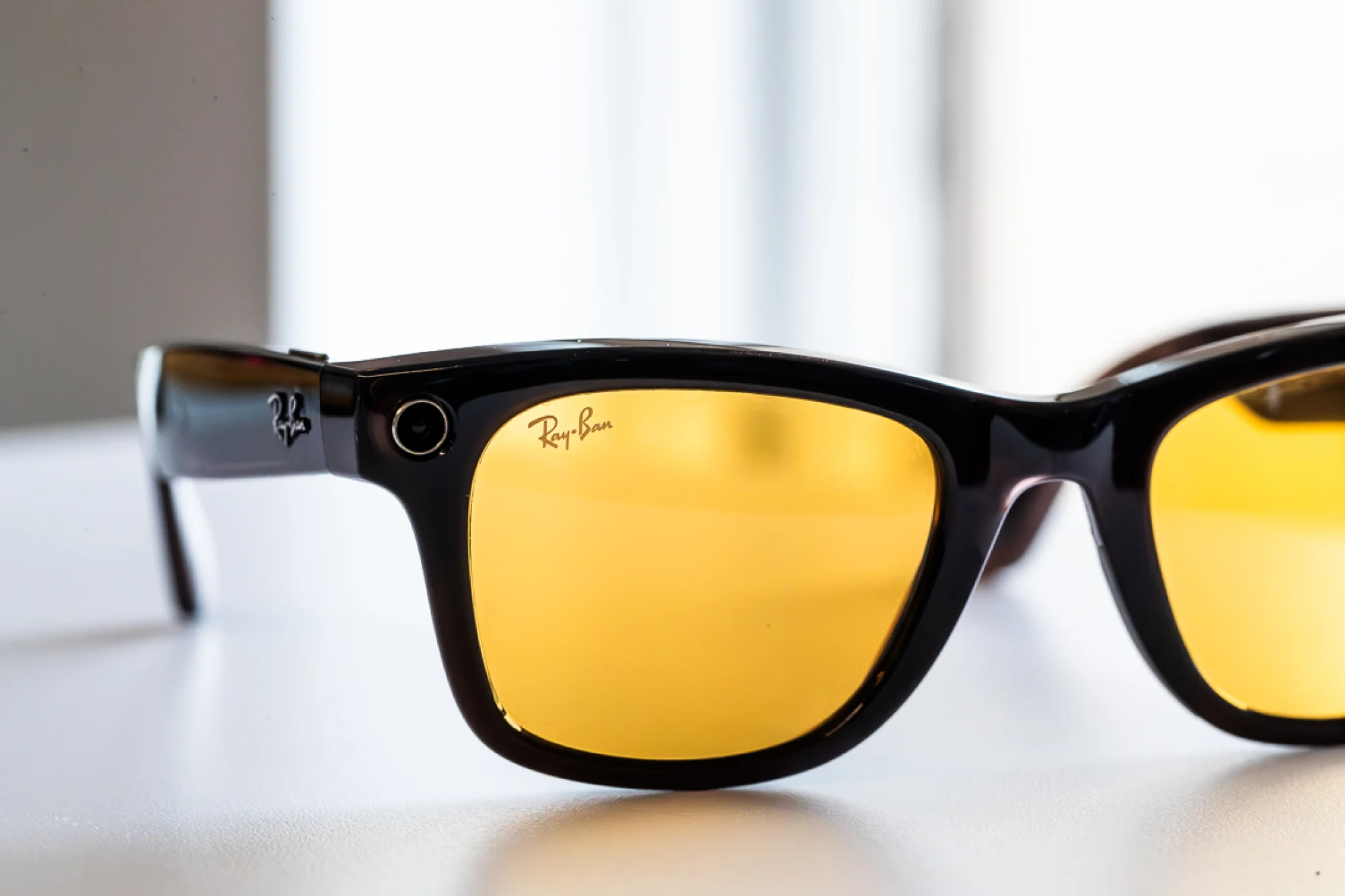

Meta Platforms Inc. is facing a proposed class-action lawsuit alleging that its Ray-Ban Meta smart glasses secretly recorded users’ private moments and allowed contractors to view these videos. The legal complaint, filed in a San Francisco federal court, accuses the social media giant of false advertising and violating consumer privacy laws.
The plaintiffs claim Meta’s marketing for the AI-powered glasses did not adequately disclose the extent of data collection or how the visual information would be handled. The lawsuit centers on the device’s camera function, which can be activated hands-free to capture photos and short videos.
Allegations of Unauthorized Viewing
According to the complaint, videos recorded by users, including intimate moments in homes, were reviewed by Meta contractors as part of an artificial intelligence training process. The plaintiffs allege these contractors had access to sensitive footage without the knowledge or consent of the individuals being recorded.
The legal filing states this practice contradicts public assurances about privacy and data use. It argues that users were led to believe they had significant control over when and what the glasses recorded.
Legal Claims and Company Response
The lawsuit brings claims under California’s comprehensive privacy and unfair competition laws. It seeks financial damages for affected users and demands changes to how Meta designs and markets its wearable technology.
Meta has not issued a formal statement on the specific allegations in this new lawsuit. In the past, the company has stated it uses strict protocols and minimizes personally identifiable information when using data to improve AI features. It also highlights user-controlled indicators, like a recording LED light on the glasses frames.
Background on the Product and Privacy
The Ray-Ban Meta smart glasses, developed in partnership with EssilorLuxottica, were launched as a successor to earlier Facebook-branded models. They integrate cameras, speakers, and a microphone, responding to voice commands to capture media or access Meta’s AI assistant.
Privacy advocates have consistently raised concerns about the societal impact of always-available, discreet recording devices. This lawsuit amplifies those concerns, questioning whether current consent models and disclosures are sufficient for wearable cameras embedded in everyday objects.
Potential Implications and Next Steps
The case could influence regulatory approaches to emerging wearable tech and AI data practices. It tests the boundaries of informed consent in an era where recording capabilities are becoming increasingly seamless and integrated into personal accessories.
The court must first decide whether to certify the case as a class action, which would allow many consumers to join the suit. Legal proceedings are expected to extend over many months, with Meta likely to file a motion to dismiss the complaint. The outcome may prompt broader industry scrutiny on data handling for AI training sourced from consumer devices.
Source: Court Filing, Multiple Reports