
The fundamental business strategy of using exclusive video games to sell dedicated gaming hardware remains a dominant force in the global industry. This principle, established decades ago, continues to dictate market dynamics and consumer purchasing decisions, according to industry analysis.
While many aspects of game development, distribution, and monetization have evolved, the core relationship between software and hardware sales persists. The majority of consumers invest in a specific games console primarily to access titles unavailable on other platforms.
The Hardware-Software Relationship
Industry observers note that only a limited segment of the market purchases new gaming devices based solely on brand loyalty or general curiosity. For the broader consumer base, the decision is driven by specific software. A console is often viewed as a necessary gateway to a desired gaming experience that cannot be replicated elsewhere.
This strategy of platform exclusivity creates a competitive ecosystem where hardware manufacturers, such as Sony, Microsoft, and Nintendo, invest heavily in securing or developing games available only on their systems. These exclusive titles are designed to showcase the technical capabilities of the hardware and provide unique value propositions to potential buyers.
Market Implications and Consumer Choice
The practice directly influences market competition and shapes the library of games available on each platform. It encourages platform holders to finance high-quality, ambitious projects intended to serve as system sellers. This model has been credited with driving technological innovation and funding creative risks that might not be possible in a purely multiplatform environment.
Conversely, exclusivity limits consumer choice in the short term, requiring players to invest in multiple pieces of hardware to access all major game releases. The debate around this practice often centers on its impact on competition versus its role in sustaining a competitive hardware market.
The Evolving Landscape
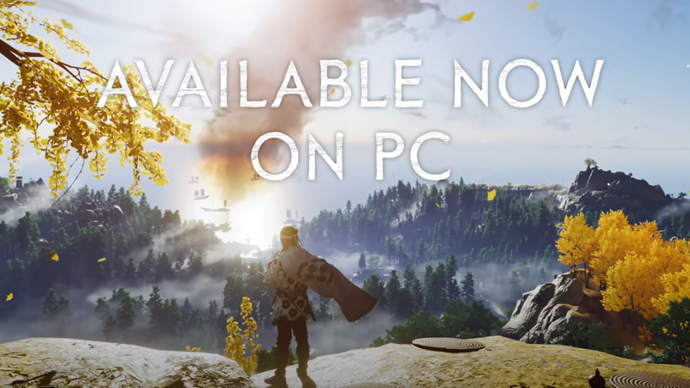
In recent years, the traditional model has seen some modulation with the rise of cross-platform play and the delayed release of former exclusives on personal computers. Some companies have adopted a strategy of releasing console exclusives initially, followed by a PC version at a later date. This approach seeks to maintain the hardware-driving benefit of exclusivity while eventually expanding the game’s audience and revenue potential.
The growth of subscription services and cloud gaming also presents new challenges and opportunities for the exclusivity model. These services sometimes bundle exclusive content to attract subscribers, creating a new layer of software-based competition separate from physical hardware.
Looking ahead, industry analysts expect the logic of platform exclusivity to remain a cornerstone of the console business for the foreseeable future. However, its implementation may continue to adapt, with exclusivity periods becoming more common than permanent locks and with a greater focus on exclusive content within broader, multiplatform ecosystems. The ongoing success of hardware sales tied to major exclusive game launches suggests this fundamental market principle is not likely to be abandoned soon.
Source: GamesIndustry.biz