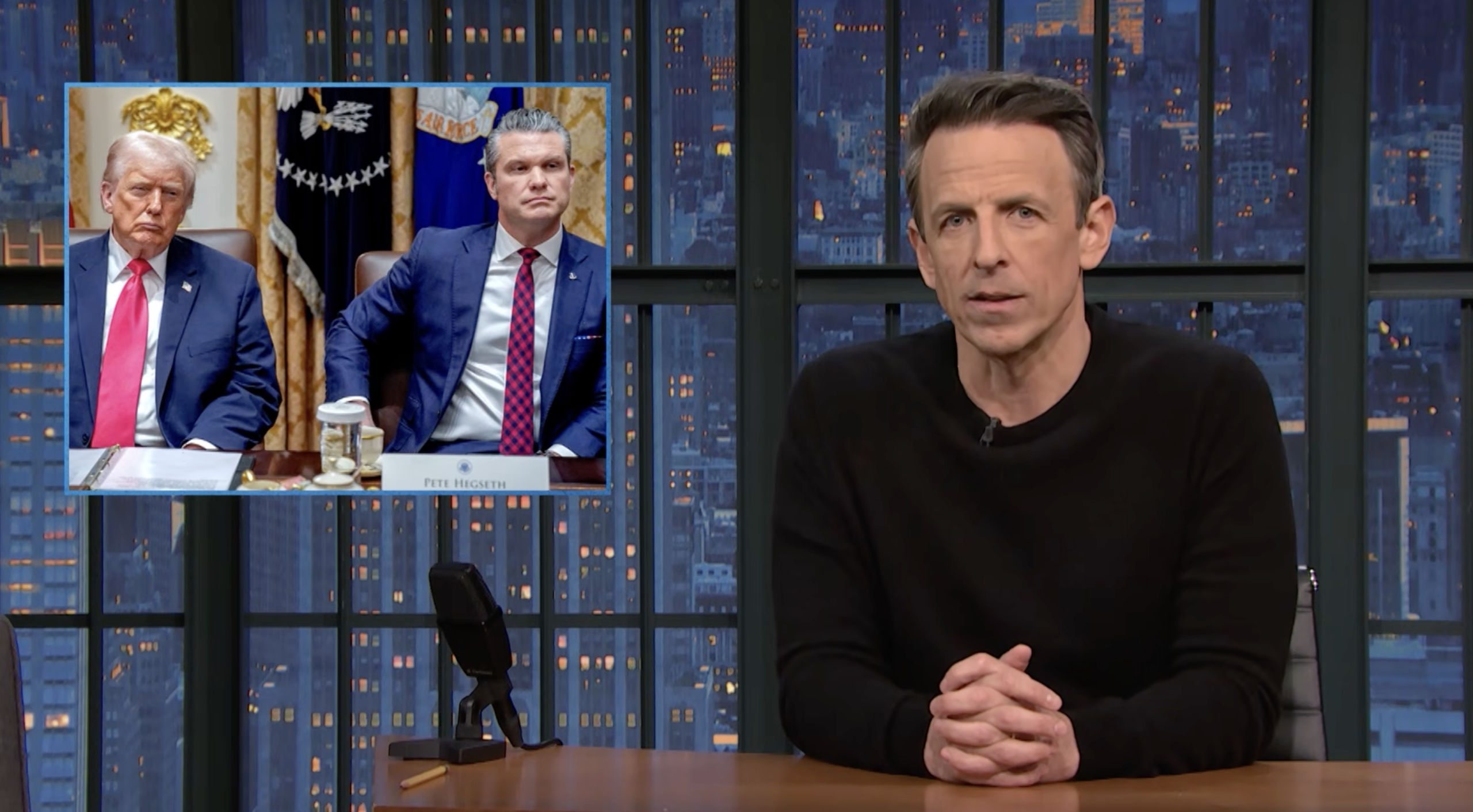

Late-night host Seth Meyers addressed a political dispute over terminology during a recent episode of his show, “Late Night with Seth Meyers.” The segment focused on public disagreements among former President Donald Trump and some Republican lawmakers regarding the use of the word “war.”
The commentary was broadcast on NBC on Wednesday night. Meyers used his “A Closer Look” segment to analyze statements from various political figures.
Context of the Disagreement
The core of the discussion stems from differing rhetoric about conflict and policy. In recent public remarks, former President Trump has described certain situations, including economic and immigration policies, using martial language. Concurrently, several prominent Republican officials have publicly cautioned against framing domestic or foreign policy challenges explicitly as “wars,” arguing it can be inflammatory or inaccurate.
This has created a visible rift within the party, with figures offering contrasting perspectives on appropriate messaging. The debate touches on communication strategy and the perceived implications of specific vocabulary in political discourse.
Meyers’ Editorial Commentary
In his monologue, Meyers characterized the internal Republican debate as speaking in “Orwellian circles.” He suggested the careful negotiation of language was an attempt to shape public perception without making explicit commitments. The host played clips of various statements to highlight what he presented as contradictions or evasive language.
Meyers’ show is an established platform for political satire and critique, often focusing on current events and media analysis. His remarks represent a comedic editorial perspective on the news rather than a straight news report.
Political Reactions and Background
The political figures mentioned have not publicly responded to Meyers’ segment. The underlying policy debates referenced often involve immigration, trade, and foreign relations. Analysts note that political language, particularly terms like “war,” carries significant weight and can influence public opinion and diplomatic relations.
Historical context shows that American politicians have frequently debated the use of martial terminology for non-military efforts, such as the “war on drugs” or “war on poverty.” These frameworks have been both championed and criticized for their effectiveness and societal impact.
Implications and Next Steps
The public disagreement over terminology highlights ongoing strategic divisions within the Republican Party as it prepares for upcoming election cycles. The focus on language is expected to continue as candidates and party leaders refine their messaging on key issues.
Further clarification on policy positions from involved figures is anticipated in the coming weeks, particularly through scheduled speeches and campaign events. Media analysts will likely continue to scrutinize the evolving rhetoric, assessing its alignment with proposed policies and its reception by the electorate.
Source: Mashable