
Security leaders globally are being urged to prepare for the threat quantum computers pose to current encryption standards, a risk that could expose sensitive data transmitted today. This warning was the central theme of a recent industry webinar focused on post-quantum cryptography, which detailed a specific attack strategy known as “harvest now, decrypt later.”
The “Harvest Now, Decrypt Later” Threat
Experts explained that many organizations operate under the assumption that encrypted data is currently secure. However, adversaries are already adapting their tactics for a future where quantum computers could break today’s cryptographic algorithms. Instead of attempting to decrypt information immediately, attackers are systematically collecting and storing encrypted data traffic with the intention of decrypting it later using quantum computing power.
This strategy means that confidential communications, financial records, and state secrets protected by today’s standards could become vulnerable in the coming years. The long-term secrecy of data is therefore at risk, necessitating a proactive shift in security protocols.
Understanding Post-Quantum Cryptography
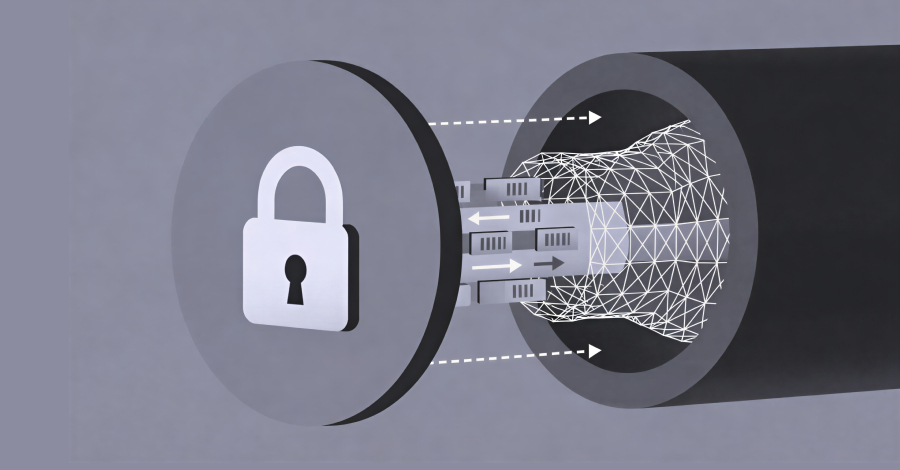
Post-quantum cryptography, also referred to as quantum-resistant cryptography, involves developing new cryptographic systems that can run on standard computers but are secure against both quantum and classical computers. These algorithms are designed to withstand the immense processing power of quantum machines, which can solve the mathematical problems underlying current public-key cryptography, like RSA and ECC, exponentially faster.
Transitioning to these new standards is a complex, global undertaking involving standard-setting bodies, technology vendors, and end-user organizations. The U.S. National Institute of Standards and Technology (NIST) has been leading a multi-year process to select and standardize quantum-resistant algorithms, with several finalists already announced.
Immediate Steps for Organizations
The webinar outlined that while large-scale quantum computers capable of breaking encryption do not yet exist, preparation cannot wait. Security leaders were advised to begin cryptographic discovery and inventory processes to understand where and how encryption is used across their digital estates. This includes data in transit, data at rest, and digital signatures.
Organizations were also encouraged to engage with vendors to understand their roadmaps for supporting post-quantum cryptography and to start planning for future integration and testing. Developing a migration strategy is considered a critical first step.
Global Implications and Industry Response
The move toward quantum-resistant encryption is not confined to any single sector or region. Governments, financial institutions, healthcare providers, and critical infrastructure operators worldwide are assessing their vulnerability. The potential for retroactive decryption affects any data with a long shelf-life requiring confidentiality, such as intellectual property, classified information, and personal health data.
In response, a growing ecosystem of cybersecurity firms and research institutions is developing tools and services to facilitate the transition. The consensus among experts is that this migration will be one of the most significant and challenging cybersecurity undertakings in the next decade.
Looking Ahead: A Phased Transition
The transition to a post-quantum security framework is expected to be gradual. Following the finalization of NIST standards, expected in the near future, technology providers will begin implementing the new algorithms in software libraries and hardware. Organizations will then enter a phase of testing and hybrid implementation, likely running new and old algorithms in parallel.
Official timelines suggest a critical period for adoption over the next five to ten years. The ultimate goal is to have quantum-resistant protections widely deployed before cryptographically relevant quantum computers become a reality, thereby neutralizing the “harvest now, decrypt later” threat.
Source: Industry Webinar