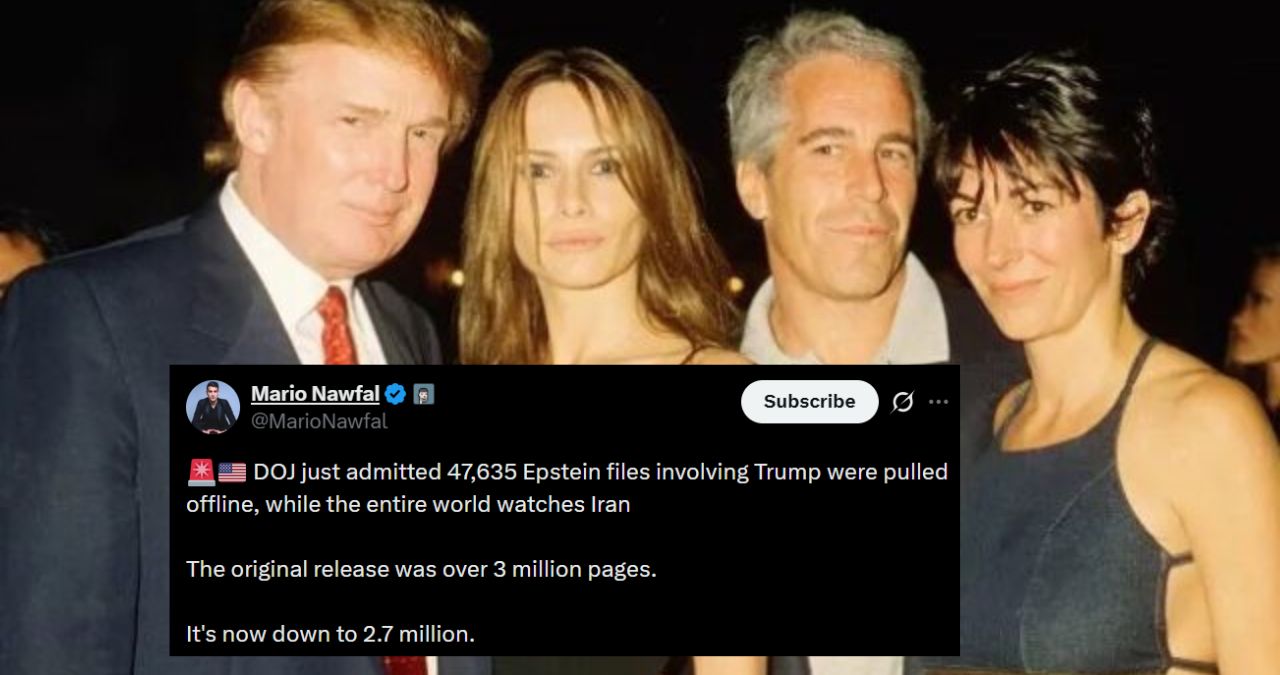

The U.S. Department of Justice has removed nearly 48,000 files from its public case website related to the Jeffrey Epstein investigation. This action comes as new disturbing videos and photographs connected to the late financier continue to emerge online. The removal, confirmed by the DOJ, was described as a standard procedure to protect sensitive information.
Scope of the Document Removal
Officials stated that 47,635 files were taken down from the website where documents from the Epstein case are published. The DOJ explained that the removed materials were either duplicates of other files or contained sensitive, non-relevant personal information. This process, they noted, is routine for large document dumps to ensure the integrity of the public record and to comply with court orders protecting victim privacy.
The files were part of a broader release of documents ordered by a federal judge. These documents pertain to a since-settled civil defamation lawsuit involving Epstein’s associate, Ghislaine Maxwell. The recent takedown represents a significant portion of the initially published material, raising questions about the volume of sensitive data initially made public.
New Visual Evidence Surfaces
Concurrent with the DOJ’s administrative action, previously unseen videos and photographs allegedly linked to Epstein have circulated on social media platforms and online forums. The content, described by viewers as disturbing, purportedly shows Epstein and various associates at his properties. The authenticity and provenance of these specific images and videos have not been independently verified by major news agencies.
Law enforcement agencies are likely monitoring the spread of this content. The dissemination of such material complicates ongoing investigations and revictimizes those involved, according to legal experts. Platforms hosting the content may face pressure to remove it, balancing policies against non-consensual imagery with public interest concerns.
Context and Ongoing Investigations
Jeffrey Epstein was a financier who was arrested in 2019 on federal charges for the sex trafficking of minors. He died by suicide in a Manhattan jail cell while awaiting trial. His death sparked numerous conspiracy theories and intensified scrutiny of his powerful social network, which included politicians, academics, and business leaders.
The case remains a focal point for federal investigators. The DOJ has repeatedly stated its commitment to pursuing accountability for anyone who participated in Epstein’s crimes. Several associates have been prosecuted, most notably Ghislaine Maxwell, who is currently serving a 20-year prison sentence for her role in the trafficking scheme.
Implications for Transparency and Privacy
The removal of tens of thousands of documents highlights the challenge governments face in balancing transparency with legal obligations to protect privacy. While public interest in the case is immense, laws strictly prohibit the release of information that could identify victims of sex crimes or compromise active investigative techniques.
Legal analysts note that such large-scale redactions or removals are not uncommon in high-profile cases involving sensitive subject matter. The process is typically overseen by a judge to ensure it aligns with the law. The DOJ has indicated it will continue to release non-sensitive documents as part of the court-mandated disclosure.
Next Steps and Official Timeline
Further releases of documents from the Epstein case are expected to continue on a rolling basis as officials complete their review. The presiding judge will maintain oversight of the schedule and scope of these disclosures. Independent journalists and legal teams continue to petition for the release of additional records, including flight logs and other evidence, though these requests often face legal hurdles.
Investigations by the FBI and other agencies into Epstein’s network are described as ongoing. Officials have not provided a public timeline for the conclusion of these probes. The emergence of new visual evidence will likely prompt law enforcement to assess its authenticity and determine if it warrants any new investigative avenues.
Source: Various wire services and DOJ statements