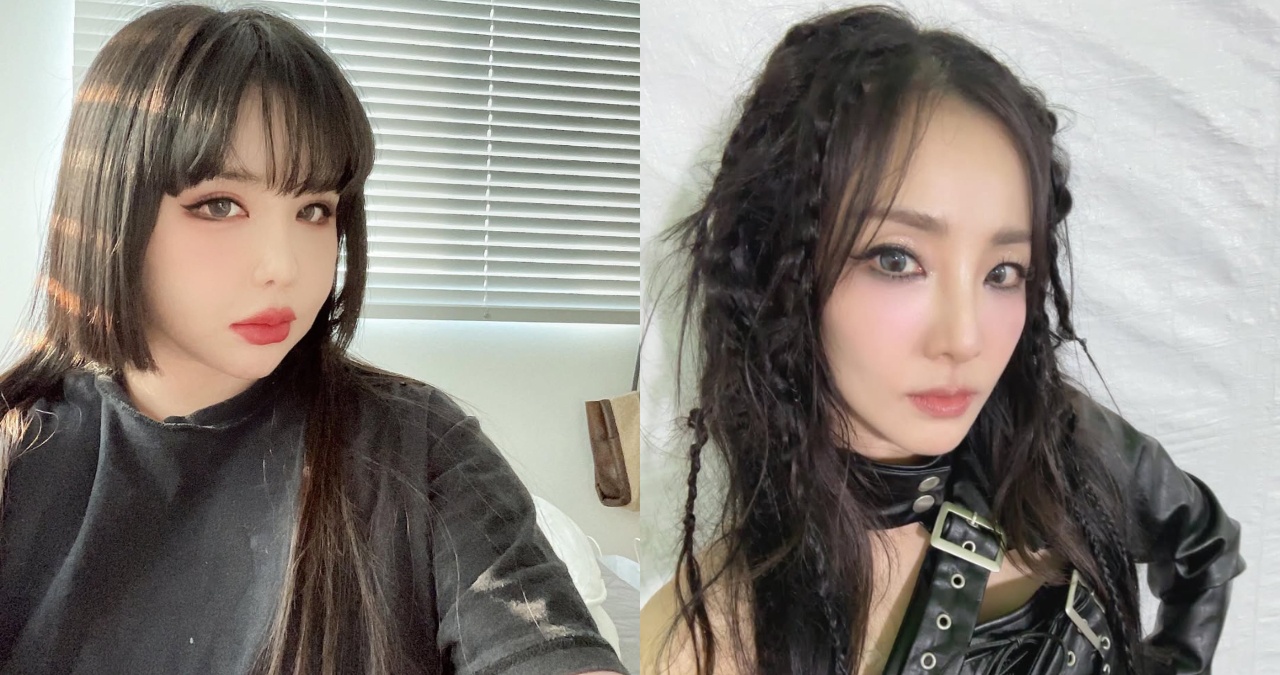


Former 2NE1 members Park Bom and Sandara Park have publicly addressed longstanding drug allegations from 2014, which have resurfaced in recent online discussions. The issue gained renewed attention following commentary on a South Korean variety show, prompting both artists to clarify the events through their respective agencies. The matter highlights the persistent scrutiny faced by public figures and the lasting impact of past controversies in the digital age.
Background of the 2014 Incident
In 2014, South Korean customs officials intercepted a package containing amphetamine tablets addressed to Park Bom. The investigation revealed the medication was prescribed to her in the United States for treating attention deficit hyperactivity disorder (ADHD). At the time, the Seoul Central District Prosecutor’s Office concluded its investigation without filing charges against Park Bom. They cited a lack of evidence for intentional smuggling for non medical use, noting the drugs were for personal treatment and that she had ceased use upon returning to South Korea.
Despite the legal resolution, the incident significantly impacted Park Bom’s career and public image. It contributed to a prolonged hiatus from public activities and became a recurring point of public discussion. Sandara Park was not involved in the 2014 incident but has been linked to the topic due to their association as bandmates in the iconic K pop group 2NE1.
Recent Developments and Official Statements
The controversy was reignited after a mention on the television program “Psick Show.” In response, Park Bom’s current agency, D Nation, issued a formal statement. The agency reiterated that the case was thoroughly investigated and closed by prosecutors nearly a decade ago. They emphasized that the medication was legally prescribed for therapeutic purposes and expressed regret over the continued distress caused to the artist by the recurring allegations.
Separately, Sandara Park’s agency, ABYSS Company, also released a statement to distance the artist from the allegations. The agency clarified that Sandara Park had no connection to the 2014 case. They stated that the recent mentions have caused her undue stress and requested the public to refrain from spreading unverified information.
Public and Media Reaction
The renewed discussion has sparked debate online regarding the statute of limitations on past controversies and the ethics of revisiting legally resolved issues. Some netizens have expressed sympathy for the artists, arguing that the continued scrutiny is excessive. Others continue to debate the nuances of the case itself. The situation demonstrates how content on variety shows and social media can rapidly amplify older news stories, affecting the individuals involved years later.
This incident also touches on broader conversations within South Korea concerning mental health treatment, the importation of prescription medications, and the legal standards surrounding controlled substances. The differing regulations between countries, like the United States and South Korea, can create complex situations for individuals receiving international medical care.
Looking Ahead
With official statements released by both agencies, the immediate public relations response is complete. However, the episodic resurgence of this topic suggests it may continue to be referenced in future media contexts. The professional activities of both Park Bom and Sandara Park are expected to proceed as planned, but the incident serves as a reminder of the enduring nature of digital records and public memory for celebrities. Further media coverage will likely depend on whether other public figures or programs choose to comment on the matter.
Source: Mashable