
<img src="https://sm.mashable.com/t/mashable_me/photo/default/imgi-1-macbook-air-size-select-202601-15inch_n9re.640.png" alt="MacBook Air on a table” />
Apple has officially introduced its latest MacBook Air models featuring the new M5 chip, with a notable change to the base configuration offering increased memory. The company announced the updated laptops on its official website, making them available for order immediately. This release marks a significant update to Apple’s consumer laptop lineup, providing users with more powerful standard specifications.
The most prominent change in this iteration is the upgrade to the starting amount of unified memory. The base model MacBook Air with the M5 chip now comes standard with 16 gigabytes of RAM. This represents a doubling of the base memory compared to the previous generation M3 models, which started with 8 gigabytes. The change applies to both the 13-inch and 15-inch screen size variants of the laptop.
Technical Specifications and Availability
The new MacBook Air models are powered by Apple’s in-house designed M5 system on a chip. This processor is built using a 3-nanometer manufacturing process. Apple states the M5 features an enhanced CPU with more performance cores and a more powerful GPU for graphics-intensive tasks. The neural engine has also been upgraded for improved machine learning performance.
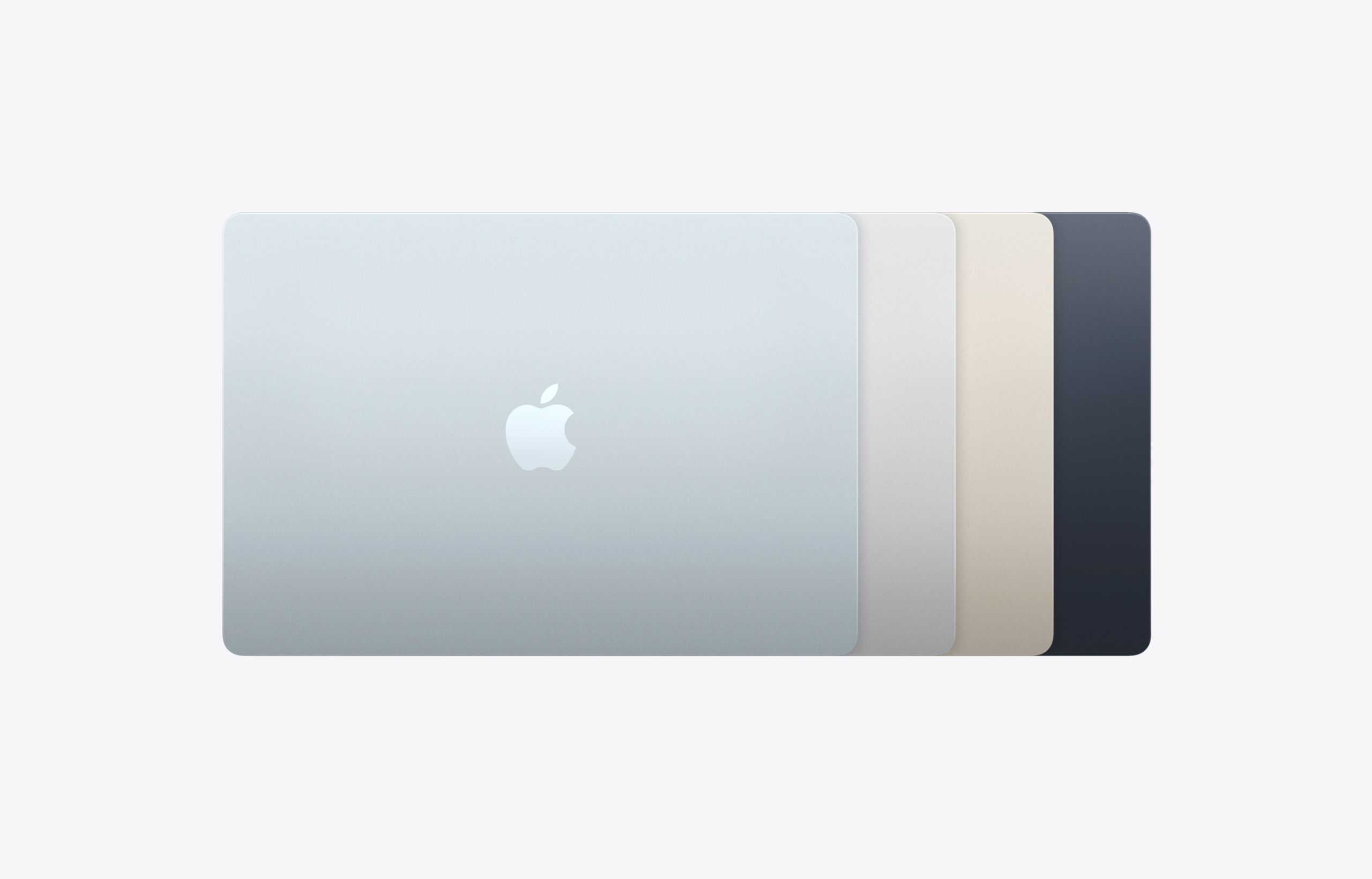
Alongside the memory upgrade, the storage options remain consistent with previous models. Customers can configure their devices with various solid-state drive capacities. The laptops feature the same Liquid Retina display, MagSafe charging, and a 1080p FaceTime HD camera as their predecessors. They are available in multiple finishes, including Midnight, Starlight, Space Gray, and Silver.
Context and Market Position
This update follows Apple’s established pattern of releasing new MacBook Air models approximately annually. The previous major redesign, which introduced a flat-edged chassis and MagSafe charging, occurred with the M2 chip. The shift to a 16-gigabyte base configuration addresses a common point of feedback from users and technology reviewers regarding the adequacy of 8 gigabytes for modern multitasking and professional applications.
Industry analysts note that increasing the base memory helps future-proof the devices, as software and operating system demands continue to grow. The move aligns the MacBook Air’s entry-level specifications more closely with those of competing laptops in the premium thin-and-light category. It also simplifies the purchasing decision for consumers who no longer need to pay an upfront upgrade fee for what is now considered a standard memory capacity for productivity work.
Consumer and Analyst Reactions
Initial reactions from the technology community have focused on the practical benefits of the increased base RAM. Many experts have long argued that 8 gigabytes of memory has become a constraint for sustained multitasking, especially when using web browsers with multiple tabs, office applications, and communication software simultaneously. The change is seen as a response to this evolving usage pattern.
Pricing for the new models starts at the same point as the outgoing M3 versions, despite the enhanced standard memory. This effectively provides a performance uplift at no additional cost to the consumer. The company’s decision to maintain the starting price while improving the specification is viewed as a competitive measure in a challenging global market for personal computers.
Future Developments and Expectations
With the MacBook Air refresh now complete, industry observers expect Apple to turn its attention to updating other lines in its Mac portfolio. The focus will likely shift to the professional-oriented MacBook Pro and desktop systems like the Mac Studio and Mac Pro, which are also anticipated to transition to the M5 chip architecture in the coming months. The company typically outlines its product roadmap at its annual Worldwide Developers Conference, where further details on software support and professional application optimizations for the new silicon are expected to be announced.
Source: Mashable