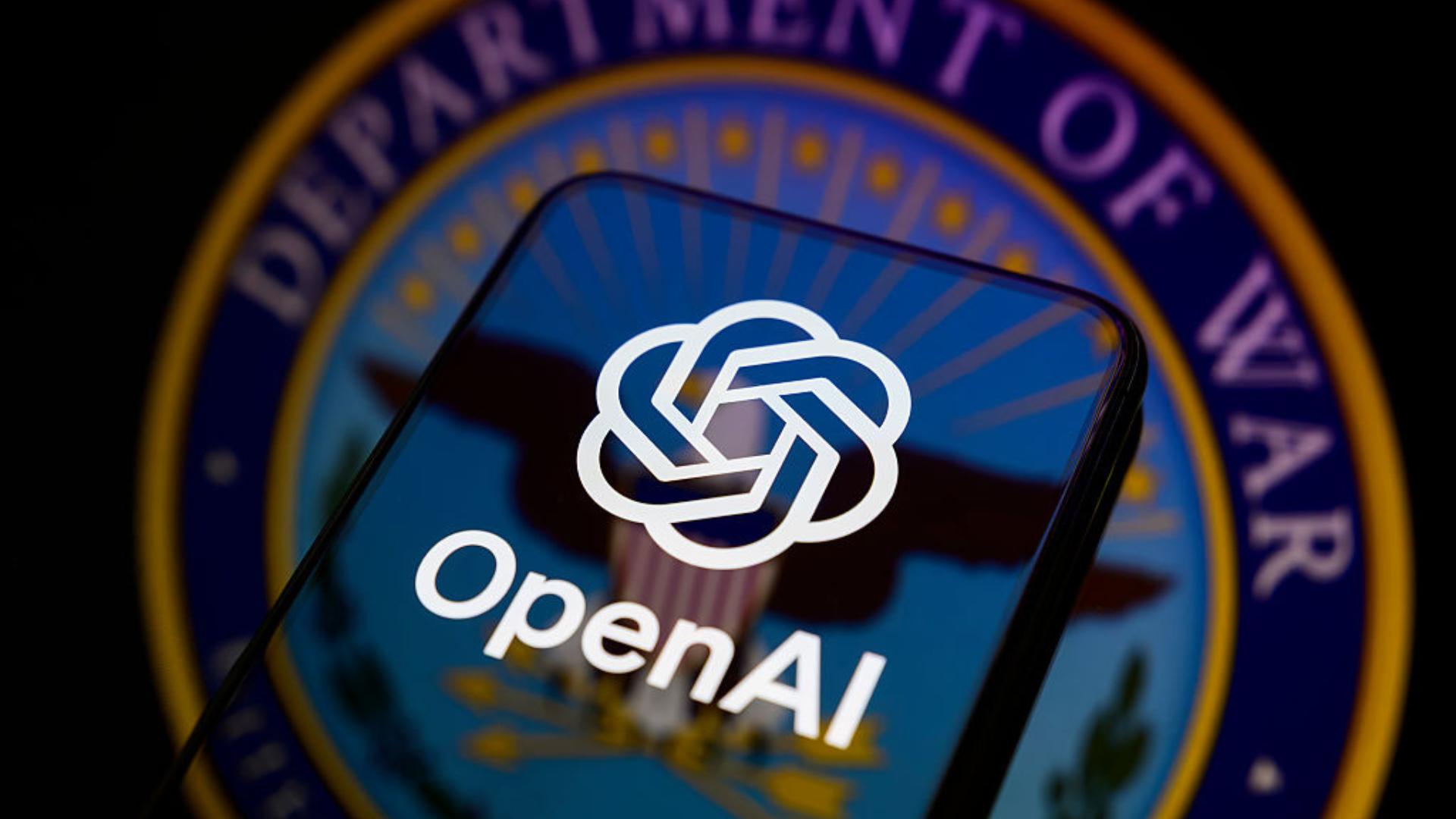

OpenAI has announced amendments to a recent agreement with the U.S. Department of Defense following public and internal criticism. The company’s CEO, Sam Altman, acknowledged the initial handling of the deal appeared “opportunistic and sloppy.” The revisions come after scrutiny over the ethical implications of the artificial intelligence firm partnering directly with military entities.
In an internal memo later shared publicly, Altman stated the company is updating its agreement to supply the Department of Defense with AI software tools. He admitted the process was rushed, leading to perceptions of carelessness. The original contract, with the Department of War, sparked immediate backlash from segments of the AI ethics community and some company employees concerned about the militarization of advanced AI.
Background of the Agreement
The initial deal involved OpenAI providing its technology to the Department of Defense for various applications, which the company stated were intended for non-offensive, supportive purposes such as cybersecurity, data analysis, and logistics. However, the partnership raised significant ethical questions, given OpenAI’s previous public commitments to developing safe and beneficial AI, and its earlier policies limiting work on weapons development.
The term “Department of War,” an outdated name for the U.S. Department of Defense, added to the controversial framing of the announcement. Critics argued that any collaboration with the military sector could accelerate an AI arms race or lead to the development of autonomous weapons systems, despite corporate assurances to the contrary.
Company Response and Policy Review
Facing the backlash, Altman moved quickly to address concerns. The internal communication emphasized that the company’s core values remain unchanged and that the amended contract will include stronger safeguards and clearer use-case limitations. The CEO’s statement aimed to reassure stakeholders that OpenAI is committed to its founding principles of ensuring artificial general intelligence benefits all of humanity.
Industry observers note this incident highlights the growing tension between leading AI companies’ ethical charters and the substantial financial and strategic incentives to work with government defense agencies. The Pentagon and other military bodies worldwide are aggressively seeking to integrate cutting-edge AI into their operations, creating a major potential market for tech firms.
Broader Industry Context
OpenAI is not alone in navigating this complex landscape. Other major technology companies, including Google and Microsoft, have faced similar internal and external protests over defense contracts, such as Project Maven and the JEDI cloud contract, respectively. These episodes often lead to policy updates, the creation of AI ethics boards, and more transparent contracting processes.
The specific amendments to OpenAI’s Department of Defense deal have not been disclosed in detail. However, the company indicated the changes will provide more explicit definitions of prohibited uses and enhanced oversight mechanisms. The goal is to align the partnership more clearly with the company’s usage policies, which forbid applications that cause harm, enable weapon development, or infringe on privacy.
Looking Ahead
The revised agreement is expected to be finalized in the coming weeks. OpenAI has committed to ongoing dialogue with its employees and the AI ethics community regarding its government partnerships. The outcome of this process will likely influence how other AI firms structure similar defense and national security contracts in the future, setting precedents for responsible collaboration between the tech industry and the public sector.
Source: Mashable