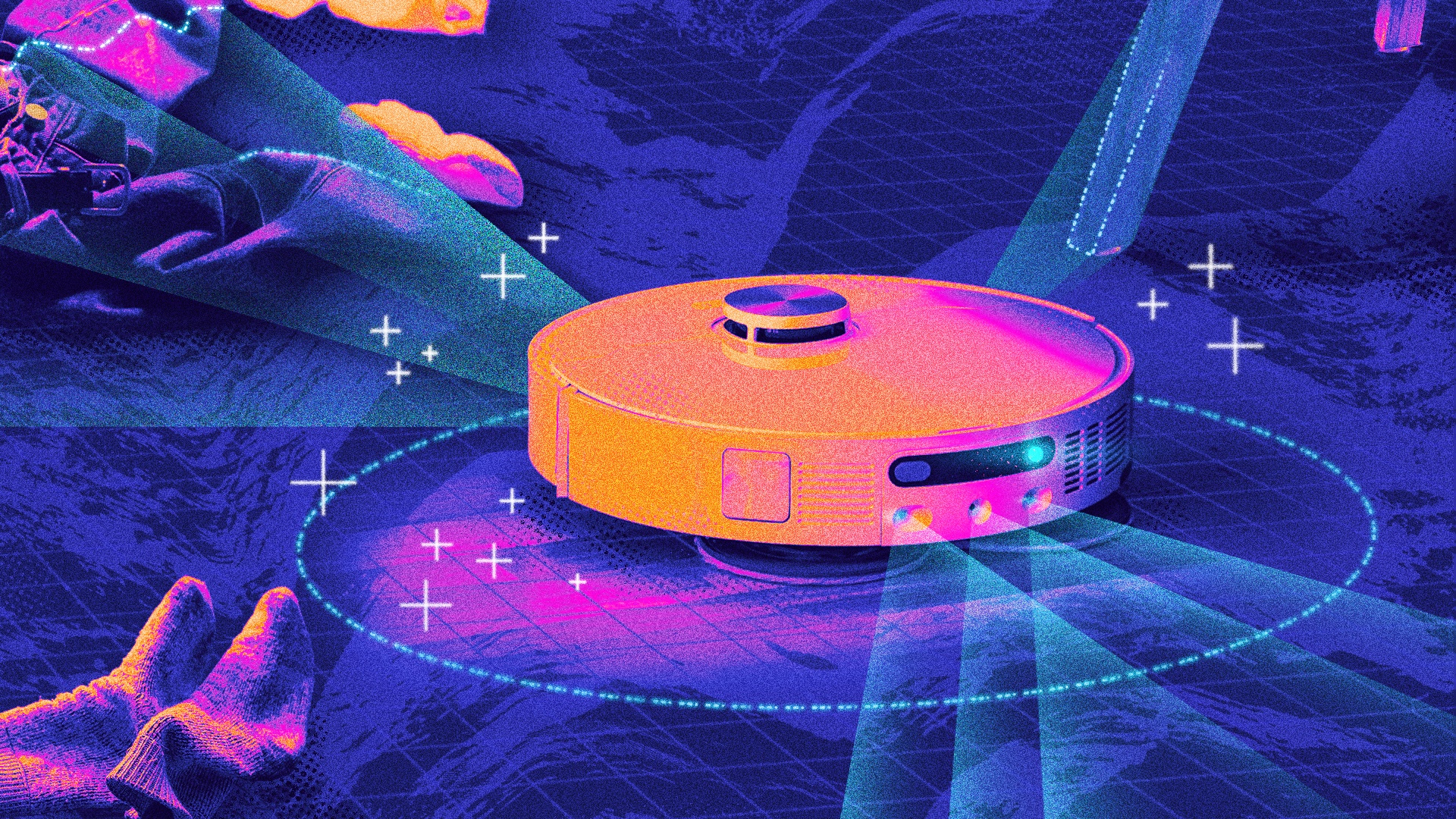

The integration of artificial intelligence has fundamentally transformed the capabilities of modern robot vacuums, moving them from simple, often erratic devices to highly autonomous cleaning appliances. This technological shift explains the significant performance gap between current models and those available a decade ago.
The Evolution from Random Navigation
Early generations of robotic vacuum cleaners typically relied on random navigation algorithms. These systems lacked a logical cleaning path, often resulting in inefficient coverage, missed spots, and a high likelihood of the device becoming stuck on furniture or cords. Consumer satisfaction with these models was frequently low due to their unpredictable behavior and limited effectiveness.
The introduction of systematic navigation, such as the use of lasers and cameras for mapping, marked a first major step forward. These systems, often referred to as Simultaneous Localization and Mapping (SLAM), allowed devices to create and remember a floor plan of a home. However, the recent incorporation of AI and machine learning has led to a second, more profound leap in autonomy and cleaning intelligence.
How AI Enhances Core Functions
Artificial intelligence improves robot vacuum functionality in several key areas. Primarily, it enables more sophisticated navigation and path planning. Instead of simply following a pre-programmed route, AI-powered vacuums can analyze their environment in real-time, make decisions to avoid newly encountered obstacles, and calculate the most efficient cleaning pattern to cover an entire area without unnecessary repetition.
Furthermore, AI contributes to improved obstacle recognition and avoidance. Modern systems can now distinguish between a stationary obstacle like a wall and a temporary hazard like a power cord or a pet, adjusting their path accordingly. Some models use AI-driven computer vision to identify specific objects, such as shoes or socks, and navigate around them to prevent entanglement.
Cleaning performance itself is also enhanced through AI. Sensors and software can detect different floor types, like carpet versus hardwood, and automatically adjust suction power. Some advanced models can even identify high-traffic or particularly dirty zones through repeated learning cycles and focus additional cleaning effort on those areas.
Industry Adoption and Consumer Impact
Major manufacturers in the home appliance and robotics sector have increasingly adopted AI as a core differentiator for their premium robotic vacuum models. The technology is no longer a novelty but is becoming a standard expectation for high-performance devices in this category.
For consumers, the result is a appliance that requires less manual intervention, cleans more thoroughly on a single charge, and adapts to a dynamic home environment. The reduction in instances where the vacuum gets stuck or requires rescue has directly addressed a primary pain point of earlier adopters.
Future Developments and Trajectory
The development trajectory for robotic vacuums points toward even greater integration of AI. Industry analysts anticipate continued improvements in low-light navigation, more nuanced object classification to avoid liquid spills or pet waste, and better integration with smart home ecosystems for automated, context-aware cleaning schedules.
Research is also ongoing into multi-task domestic robots that can vacuum, mop, and perform other chores, with AI serving as the essential coordination and perception engine for such complex tasks. The progression from a simple cleaning device to a comprehensive home assistant is largely contingent on advances in affordable and efficient artificial intelligence systems.
Source: Mashable