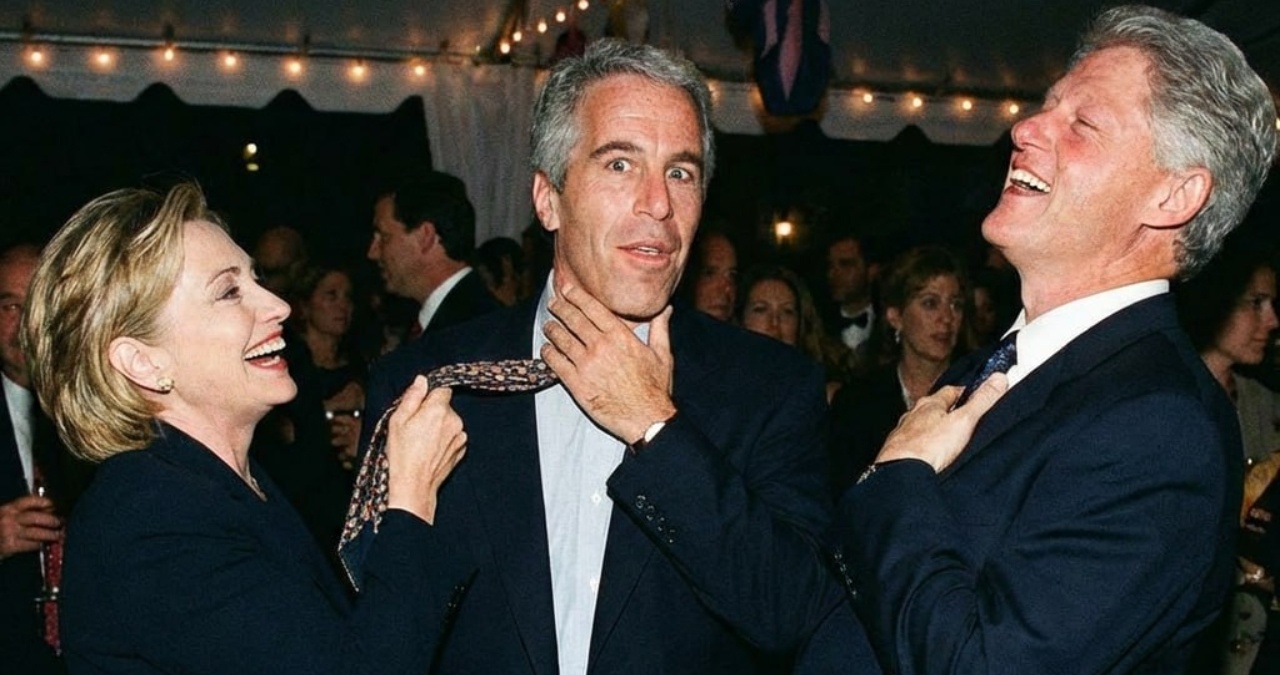

Former U.S. Secretary of State Hillary Clinton has publicly stated she never met the late financier and convicted sex offender Jeffrey Epstein. In recent comments addressing long-running online conspiracy theories, Clinton also dismissed the baseless “Pizzagate” narrative and clarified the context of a widely circulated photograph.
The statements were made during an interview, though a specific date and location were not provided in the initial reporting. Clinton’s decision to address these topics directly marks a notable effort to counter misinformation that has proliferated on social media and fringe websites for years. The issue matters due to the persistent nature of such conspiracy theories and their impact on public discourse.
Clarification on Epstein and Photograph
Hillary Clinton explicitly denied ever meeting Jeffrey Epstein. “I have never met him,” she stated, according to reports. This addresses speculation and false claims that have attempted to link her to Epstein’s social circle.
She also provided context for a viral photograph that shows her posing with a young girl wearing a t-shirt featuring a pizza graphic. Conspiracy theorists have falsely used this image to suggest a connection to the fabricated “Pizzagate” conspiracy, which alleges a non-existent child trafficking ring involving high-profile Democrats and a Washington, D.C., pizzeria.
Clinton explained that the photograph was taken at a public event where she was greeting supporters. The individual in the photo was the child of an event attendee. She has consistently and vehemently denied any wrongdoing, characterizing the theories as dangerous fabrications.
Background of the Conspiracy Theories
The “Pizzagate” conspiracy theory emerged online during the 2016 U.S. presidential election cycle. It was thoroughly debunked by law enforcement and credible media investigations. Despite this, the false narrative has persisted in certain online communities, demonstrating the challenge of combating viral misinformation.
Jeffrey Epstein was a financier who was convicted in 2008 for soliciting prostitution from a minor. He was facing new federal sex trafficking charges when he died by suicide in a Manhattan jail cell in August 2019. His associations with numerous wealthy and powerful individuals, including former President Bill Clinton, have been the subject of intense public scrutiny and legitimate journalistic inquiry.
Reactions and Broader Implications
Experts in misinformation and digital media have noted that Clinton’s direct rebuttal is a common strategy for public figures confronting false narratives. However, they also caution that such statements can sometimes inadvertently amplify the very claims they seek to quash by introducing them to new audiences.
The episode underscores the ongoing struggle faced by institutions and individuals in the digital age, where baseless claims can spread rapidly online and gain a veneer of credibility through repetition. Social media platforms have faced continued criticism for their role in allowing such content to circulate, though many have updated policies to reduce the reach of misinformation.
Clinton’s comments arrive in a media landscape where conspiracy theories increasingly intersect with political discourse. Addressing them factually and without amplification remains a complex communications challenge for public figures, news organizations, and platform moderators alike.
Expected Developments and Next Steps
Given the entrenched nature of online conspiracy communities, it is unlikely that Clinton’s statements will fully eradicate the false narratives. Monitoring groups expect the claims may continue to circulate in fringe forums, potentially adapting in response to the denial. The focus for credible news outlets will remain on reporting verifiable facts and providing context, while the legal proceedings related to Jeffrey Epstein’s associate, Ghislaine Maxwell, who was convicted for her role in his crimes, may continue to generate related news coverage. Official timelines for further action are not applicable, as Clinton’s statements were a personal clarification, not part of a formal legal or governmental process.
Source: Mashable