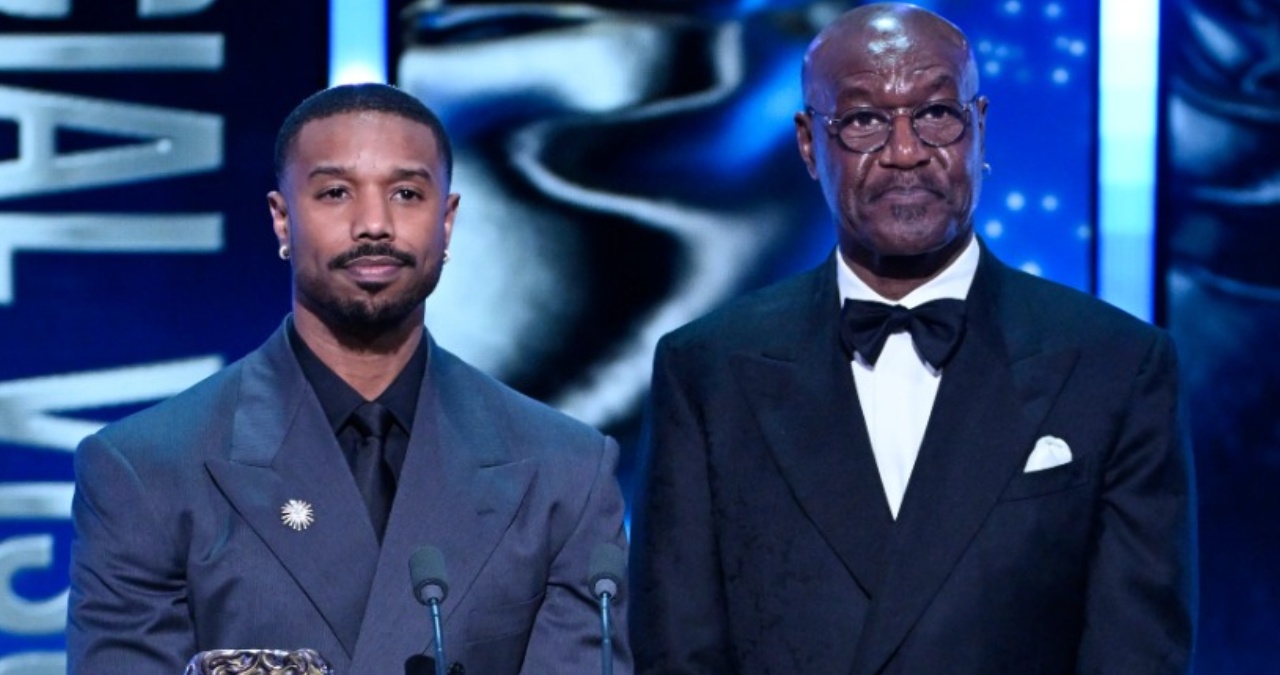

The British Academy of Film and Television Arts (BAFTA) has issued a formal apology to actors Michael B. Jordan and Delroy Lindo. The apology follows a controversy involving a racial slur that was used during a pre-recorded segment at the BAFTA Film Awards ceremony in London on February 18.
In a statement released on its official social media channels, BAFTA stated, “We take full responsibility for the distress caused by the content in our recent broadcast.” The organization confirmed it had contacted the actors directly to apologize and said, “We will learn from this.”
Incident Details and Immediate Fallout
The incident occurred during a pre-filmed segment that featured a voiceover quoting a line from a film. The voiceover included a racial slur. The segment aired during the live television broadcast of the awards, which is a major event in the British film industry calendar.
Viewers and industry professionals quickly expressed outrage on social media platforms, criticizing BAFTA for allowing the offensive language to be broadcast. The swift public reaction highlighted ongoing sensitivities and discussions around racial representation and language in media.
BAFTA’s Response and Responsibility
BAFTA’s public apology was unambiguous in accepting fault. The organization did not provide specific details on how the segment passed through its editorial and broadcast approval processes. Its statement focused on accepting responsibility and committing to corrective action.
“We are deeply sorry for the offense caused,” the statement read. The academy emphasized that the use of the slur was unacceptable and did not reflect its values. The direct apology to Mr. Jordan and Mr. Lindo was a key part of its response, acknowledging them as the individuals most directly affected by the broadcast.
Context in the Entertainment Industry
This incident occurs within a broader industry context where major institutions have faced increased scrutiny over diversity, equity, and inclusion practices. Award bodies like BAFTA have publicly committed to improving representation both in front of and behind the camera in recent years.
Public mishandling of racially charged language by a prominent organization is seen as a significant setback to these efforts. It raises questions about the effectiveness of internal protocols designed to prevent such errors.
Expected Next Steps and Review
While BAFTA has not released a detailed timeline, its statement indicates an internal review of the incident is likely underway. Standard procedure following such a public relations crisis involves a thorough examination of production and approval workflows to identify the point of failure.
The organization is expected to implement new safeguards or training to prevent a recurrence. Further public communication may outline these specific steps once the review is complete. The focus will be on restoring credibility and demonstrating a tangible commitment to the learning process it has promised.
Source: Mashable