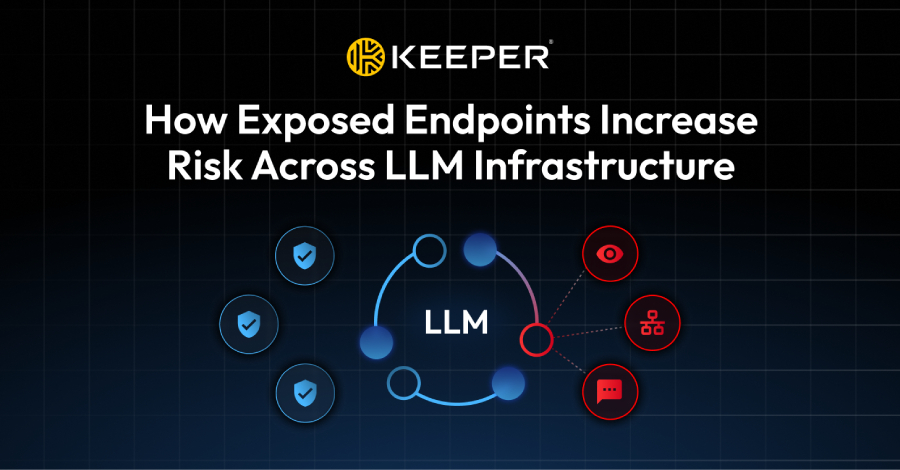

The rapid internal deployment of Large Language Models (LLMs) by organizations worldwide is creating significant new cybersecurity vulnerabilities, according to industry analysis. Security experts report that the primary risk is shifting from the AI models themselves to the supporting infrastructure, including a growing number of exposed endpoints and APIs.
Infrastructure as the New Front Line
As companies integrate proprietary and open-source LLMs into business operations, they simultaneously deploy numerous internal services and Application Programming Interfaces to facilitate model function and connectivity. Each new endpoint created for these models, whether for data input, model querying, or output delivery, represents a potential entry point for malicious actors.
This expansion of the digital attack surface occurs often without proportional increases in security oversight specific to AI infrastructure. The interconnected nature of these systems means a vulnerability in one service can compromise the entire LLM pipeline and connected corporate networks.
Shifting Security Priorities
Traditional application security measures frequently fail to address the unique architectures and data flows inherent to LLM deployments. The focus for many security teams has historically been on the model’s training data and output biases, but the operational infrastructure now demands equal attention.
Security researchers emphasize that the automation and connectivity required for functional LLM applications introduce complex chains of microservices and APIs. These components, if not properly secured, configured, and monitored, can be exploited independently of the core AI model’s security.
Industry Response and Best Practices
In response to this emerging threat landscape, cybersecurity firms and industry consortia are developing frameworks for securing AI infrastructure. Recommended practices include implementing strict access controls, conducting regular security audits of all LLM-connected endpoints, and applying the principle of least privilege to API permissions.
Network segmentation for AI workloads and comprehensive logging of all interactions with LLM endpoints are also cited as critical defensive measures. The goal is to ensure that the infrastructure layer receives security scrutiny equivalent to that given to the AI models it supports.
Future Outlook and Mitigation
The integration of AI into core business functions is expected to accelerate, making the security of supporting infrastructure a permanent and high-priority concern for enterprise risk management. Regulatory bodies in several jurisdictions are beginning to examine standards for AI system security, which will likely include infrastructure components.
Organizations are advised to inventory all LLM-related endpoints, assess their exposure, and integrate their security into existing DevSecOps cycles. Continuous monitoring for anomalous access patterns targeting these specific endpoints is becoming a standard recommendation for enterprises operating at scale.
Source: Industry Analysis