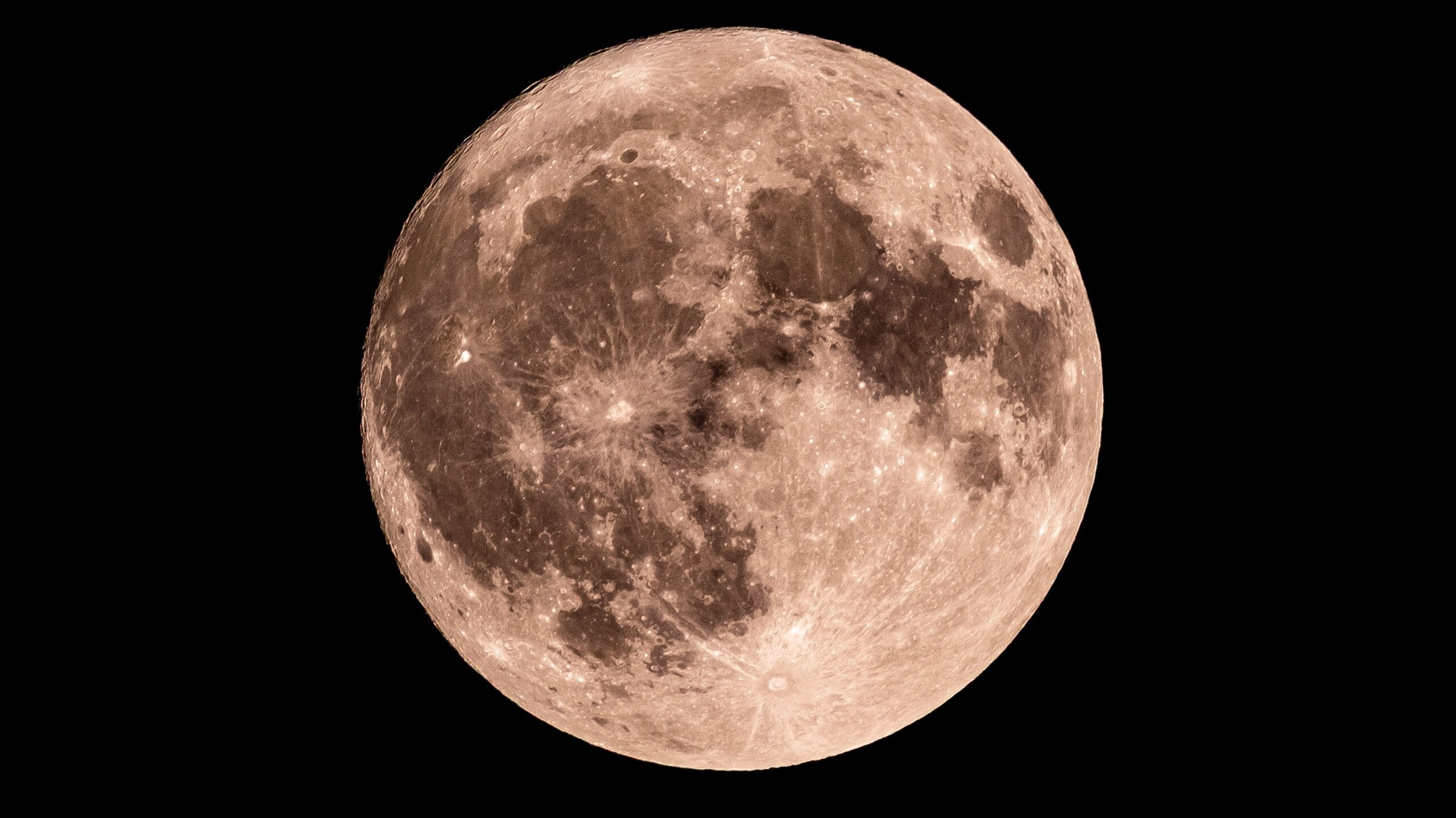

The Moon will approach its First Quarter phase on the evening of February 23, appearing increasingly illuminated in the night sky. This regular lunar event, visible from Earth worldwide, marks a key point in the Moon’s monthly orbit, offering improved viewing conditions for surface features.
As of February 23, the lunar disk will be approximately half-illuminated from our perspective on Earth. This phase occurs roughly one week after the New Moon and one week before the Full Moon. The increasing illumination each night makes topographical details on the lunar surface more prominent for observers.
Lunar Observation Details
The First Quarter phase is defined by the Moon being 90 degrees east of the Sun. During this time, the line separating the lit and dark halves of the Moon, known as the terminator, becomes sharply visible. This lighting angle casts long shadows from lunar craters and mountains, enhancing their contrast and making them easier to identify with basic optical aids like binoculars or a small telescope.
Key features, such as the large, dark plains called maria, and major impact craters like Tycho and Copernicus, are typically well-positioned for viewing during this phase. The visibility of these landmarks provides an opportunity for educational and recreational astronomy.
Scientific and Cultural Context
The Moon’s phases are caused by its changing position relative to the Earth and Sun. The cycle from New Moon to Full Moon and back, known as a lunation, takes an average of 29.5 days. The First Quarter is one of the four primary phases, alongside New Moon, Full Moon, and Third Quarter.
Lunar phases have historically been used for timekeeping and calendar systems in various cultures. Today, understanding the phases remains fundamental to fields such as astronomy, space mission planning, and the study of tidal forces on Earth.
Future Lunar Cycle Events
Following the First Quarter phase, the Moon will continue to wax toward a Full Moon. The next primary phase in the current lunar cycle will be the Full Moon, expected in approximately one week. Each subsequent night will feature a larger illuminated portion of the lunar disk until the full illumination is reached.
Observers can expect continued favorable viewing conditions for lunar features in the nights immediately following February 23. The official timing of the exact First Quarter phase is calculated by astronomical organizations and can vary slightly by time zone.