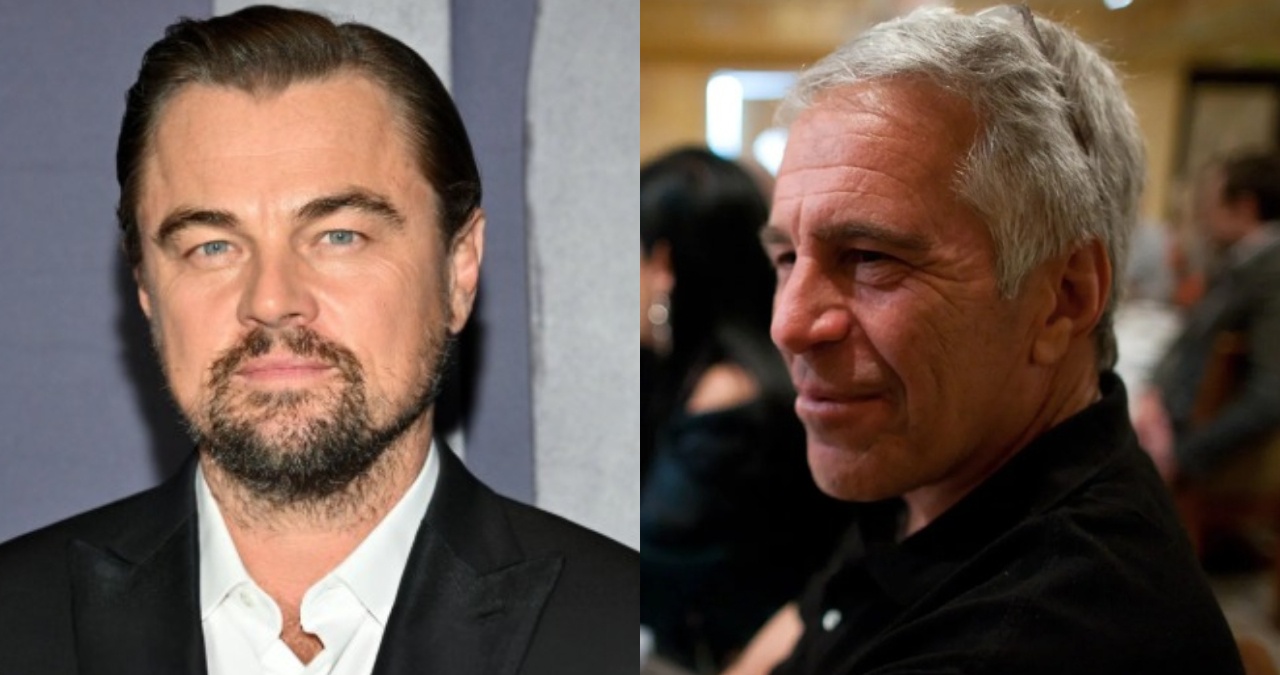

Recent online discussions have linked actor Leonardo DiCaprio to unverified claims found within documents related to the late financier Jeffrey Epstein. These claims, which include sensational allegations of cannibalism, have been widely circulated on social media platforms. An examination of publicly available court records shows no substantiated evidence connecting DiCaprio to criminal activity or the specific allegations in question.
Origin of the Claims
The allegations appear to stem from the release of court documents pertaining to the Jeffrey Epstein case. Epstein, who was charged with sex trafficking of minors, died by suicide in a Manhattan jail cell in August 2019 while awaiting trial. The subsequent unsealing of legal filings has periodically included names of individuals mentioned in various contexts, leading to widespread speculation online.
In this instance, DiCaprio’s name was referenced in a document containing a deposition transcript. The context of the mention does not allege any wrongdoing by the actor. Instead, the name appears in a line of questioning that was part of a broader legal discovery process. There is no accusation, charge, or evidence presented in the documents that DiCaprio was involved with Epstein’s crimes or the subsequent fabricated claim of cannibalism.
Official Statements and Fact-Checking
Representatives for Leonardo DiCaprio have previously addressed similar rumors. A spokesperson stated that DiCaprio had no association with Jeffrey Epstein. The actor’s name has surfaced in past cycles of misinformation related to the case, often driven by manipulated screenshots and out-of-context quotations from the extensive document trove.
Major fact-checking organizations have investigated these specific claims. They have consistently rated assertions linking DiCaprio to Epstein’s crimes or to cannibalistic acts as false. The cannibalism allegation, in particular, is not found within any credible legal filing or official report from law enforcement agencies investigating the Epstein matter.
The Role of Misinformation
The rapid spread of this claim highlights the challenges of information verification in high-profile cases. The Epstein documents contain thousands of pages, including depositions, flight logs, and witness lists. Isolated mentions of celebrities and public figures are often extracted and amplified without the surrounding context, leading to misinterpretation.
Social media algorithms can accelerate the reach of sensational but unverified claims. Experts note that false narratives often attach themselves to ongoing news stories with significant public interest, such as the Epstein case, because they are more likely to gain engagement and visibility.
Legal and Journalistic Context
The release of documents from the Epstein-related litigation is an ongoing process managed by the United States District Court for the Southern District of New York. Judges overseeing the case have ordered the unsealing of records while redacting the names of minor victims and certain peripheral individuals. The purpose is to provide public transparency while protecting privacy where legally mandated.
Responsible news outlets reporting on the document releases typically emphasize that the inclusion of a name does not imply guilt or involvement in criminal activity. Individuals may be named as potential witnesses, as contacts, or in other non-accusatory capacities.
As the court continues its review process, additional documents may be made public. Legal analysts expect that this will likely lead to further rounds of online speculation. Official investigations into Epstein’s network by federal authorities have concluded with the prosecution of several associates, but no new charges related to these specific viral claims about DiCaprio are anticipated. The focus of legitimate reporting remains on the factual contents of the judicial records and the established facts of the criminal case.
Source: Various court documents and fact-checking reports