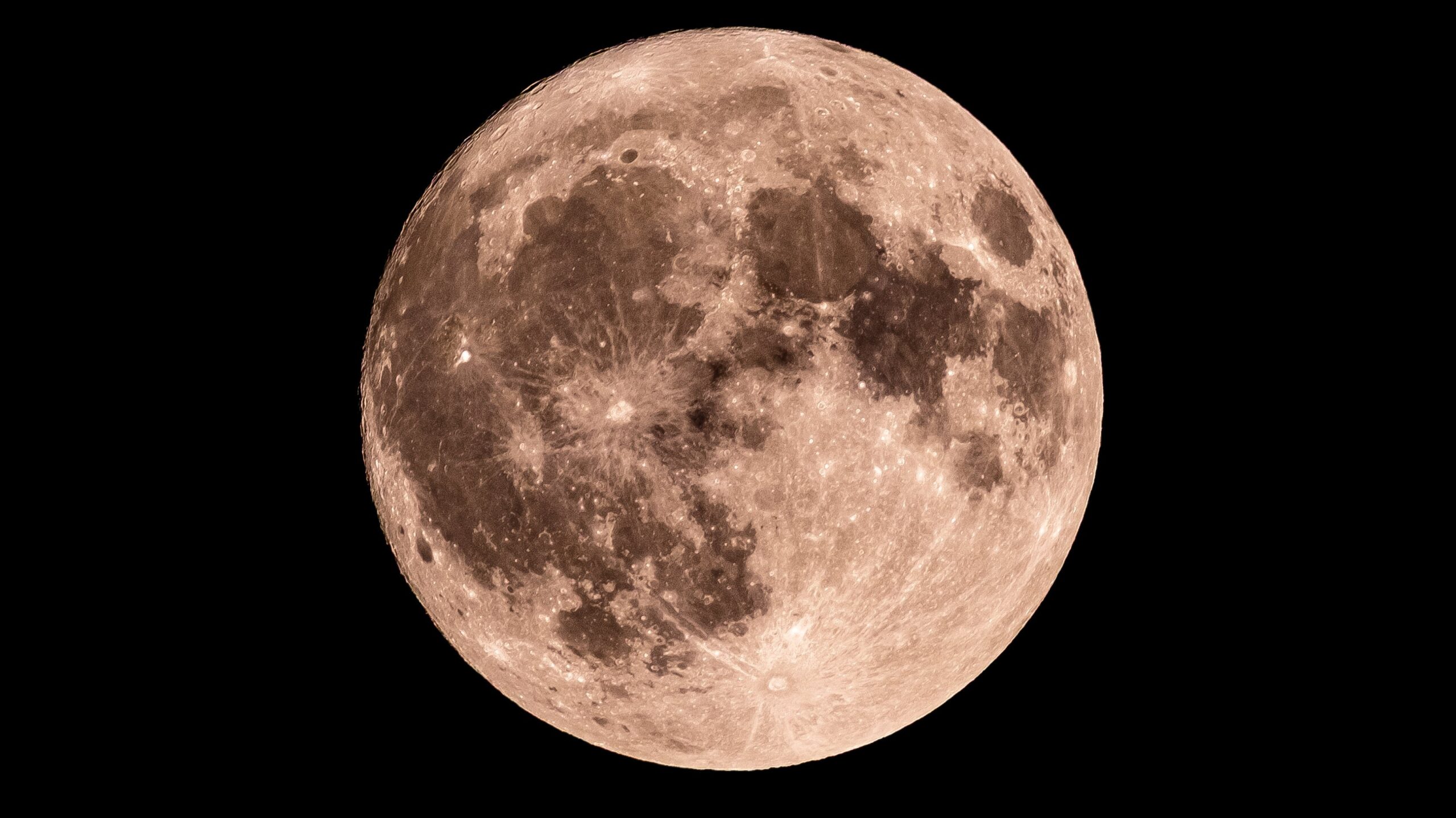

On Friday, February 20, the Moon entered its Waxing Crescent phase, becoming increasingly visible in the evening sky. This lunar stage marks a transition from the New Moon, offering observers a chance to see a growing sliver of the lunar surface illuminated by the Sun. The visibility of lunar features improves nightly as the illuminated portion expands.
lunar observation Details
The Waxing Crescent phase is characterized by a small, crescent-shaped portion of the Moon’s Earth-facing side being lit. This phase occurs after the New Moon and before the First Quarter. During this time, the Moon sets shortly after the Sun, making it primarily an early evening sight.
As the crescent waxes, or grows, observers can begin to see details along the terminator, the line dividing the illuminated day side and the dark night side. The low-angle sunlight during this phase casts long shadows, making lunar craters, mountains, and maria, or seas, appear with heightened contrast and detail.
Scientific and Observational Context
The Moon’s phases are caused by its changing position relative to the Earth and Sun. A Waxing Crescent moon is visible because sunlight reflects off its surface toward Earth, while the remainder of the Earth-facing side remains in shadow. The phase is a predictable part of the 29.5-day lunar cycle.
For astronomers and casual skywatchers, the Waxing Crescent presents an optimal window for lunar observation. The increasing illumination allows for tracking the progression of shadows across major features like the Sea of Crises or the craters Kepler and Copernicus over successive nights.
Global Visibility and Significance
The phase is a global astronomical event, visible from anywhere on Earth with clear evening skies. Its timing and appearance are consistent worldwide, though local sunset times affect the exact viewing window. The event holds significance for cultures that use lunar calendars and for educational purposes in demonstrating celestial mechanics.
Lunar observation requires no special equipment, though binoculars or a small telescope can enhance the view of surface details. The best viewing typically occurs in the hours after sunset when the sky is dark enough for the crescent to stand out.
Forward Outlook
Following the Waxing Crescent, the Moon will continue to wax toward the First Quarter phase, where half of its Earth-facing side will be illuminated. The illuminated portion will increase nightly, leading to higher brightness and later setting times. The next major phase, the First Quarter Moon, is expected to occur approximately one week after February 20, based on the standard lunar cycle. This progression will provide continued opportunities for evening lunar observation in the coming days.
Source: NASA Moon Guide