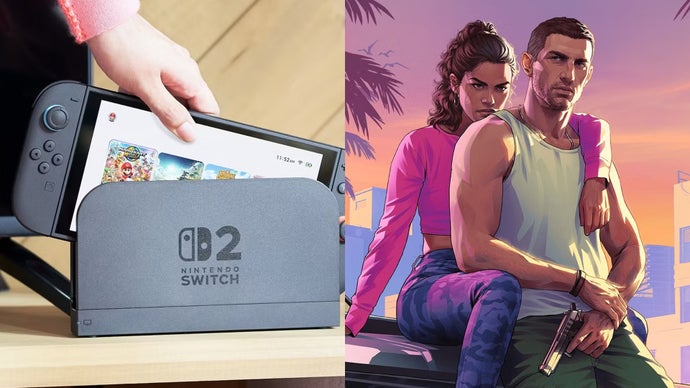

consumer spending on video games in the United States is projected to grow to $62.8 billion by the year 2026, according to a new industry forecast. This figure represents a 3% increase from current levels, signaling continued expansion for the entertainment sector.
The data, released by market research firm Circana, points to 2026 as a potentially transformative period for the industry. The forecast suggests that several major game releases and the ongoing evolution of hardware and business models will be key drivers of this growth.
Factors Behind the Projected Growth
Analysts point to a confluence of factors expected to contribute to the rise in consumer expenditure. The anticipated launch of several high-profile, long-awaited titles is seen as a primary catalyst. Such major releases typically drive significant sales of both software and the hardware platforms needed to play them.
Furthermore, the ongoing shift towards diverse revenue models continues to reshape the market. While traditional one-time game purchases remain substantial, spending within games, including downloadable content, season passes, and in-game currency, represents a large and stable revenue stream. The subscription model, offering access to libraries of games for a monthly fee, is also expected to maintain its strong position.
Industry Context and Platform Evolution
The projected growth occurs within a market that has demonstrated resilience and adaptability. After a period of exceptional growth during the global pandemic, the industry experienced a phase of correction and normalization. The forecast for steady growth into 2026 indicates a return to a more predictable, yet positive, trajectory.
Hardware cycles will also play a crucial role. By 2026, the current generation of consoles from Sony, Microsoft, and Nintendo will be firmly established, with a deep library of games available. Potential mid-cycle hardware refreshes or new peripheral launches could provide additional spending incentives. The personal computer and mobile gaming segments are likewise forecast to see sustained engagement and spending.
Implications for the Broader Market
A market of this scale has implications beyond pure entertainment. The video game industry is a significant employer in fields such as software engineering, artistic design, and information technology. Sustained financial health supports ongoing investment in new projects and technological innovation, including advancements in graphics, artificial intelligence, and network infrastructure.
Additionally, the cultural impact of video games continues to grow, with franchises expanding into film, television, and merchandise. Strong consumer spending underpins the viability of these cross-media expansions.
Looking ahead, Circana’s report indicates that the industry’s performance in 2026 will be closely watched as a barometer for its long-term direction. The success of the major titles slated for that year, alongside consumer adoption of emerging technologies and business practices, will determine if the projected $62.8 billion spending level is met or exceeded. Market observers will monitor quarterly sales data in the lead-up to 2026 for signs confirming or adjusting this forecast.
Source: Circana