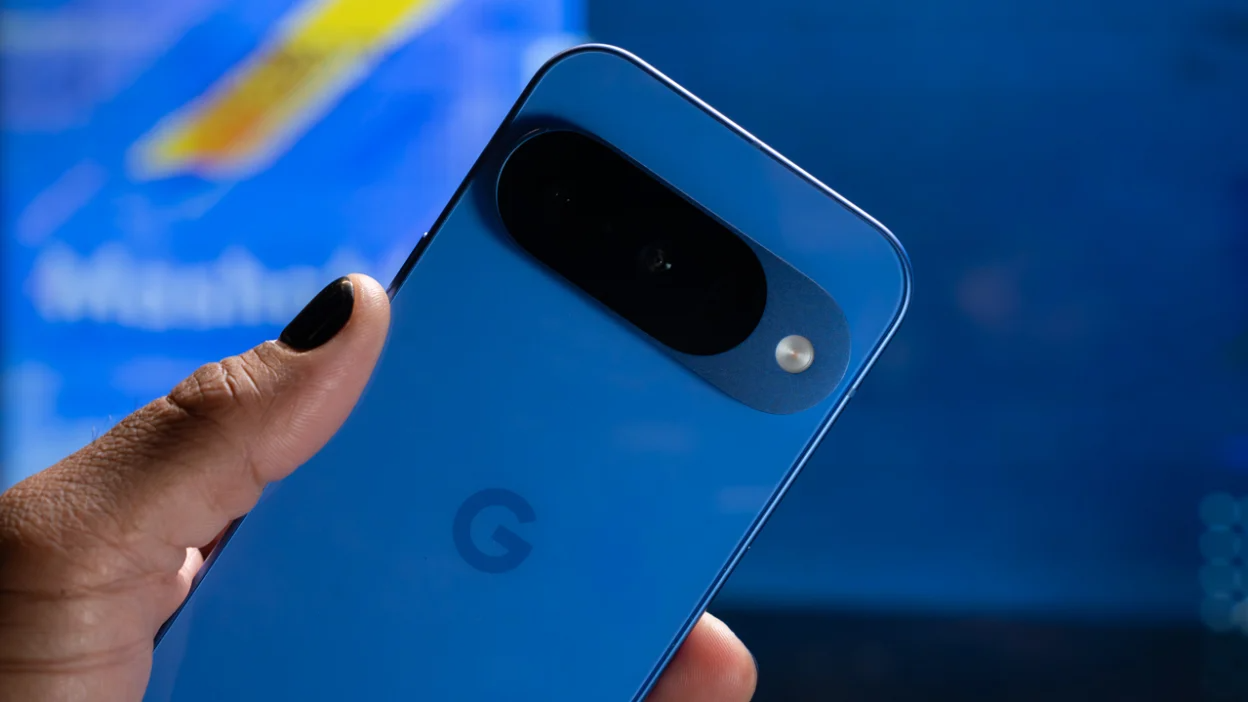

Google has released the first beta version of its upcoming mobile operating system, Android 17. The initial beta build introduces a new, more frequent “Canary” update channel for developers alongside a suite of enhancements focused on user privacy, interface smoothness, and support for devices with large screens.
The announcement marks a significant step in the annual development cycle for the world’s most widely used mobile OS. The beta is now available for compatible Google Pixel devices and select partner hardware for developers and early adopters to test.
Core Enhancements in the Beta Release
The Android 17 Beta 1 update includes several foundational improvements. Privacy controls have been upgraded, providing users with more granular management over application permissions and data access. While Google has not disclosed full technical details, the changes are understood to build upon the permission management systems introduced in recent Android versions.
User interface interactions have also been refined. The update incorporates under-the-hood optimizations aimed at delivering smoother animations and more responsive touch feedback across the system. Furthermore, Android 17 expands its native support for foldable phones, tablets, and other devices with large displays, improving how applications scale and utilize available screen space.
Introduction of the Canary Channel
A notable change in the development process is the establishment of a Canary update channel. This channel will deliver builds of Android 17 more frequently than the standard beta channel, potentially on a daily or weekly basis. It is intended primarily for developers who require the absolute latest code to test their applications, though it is available for any enrolled user.
Canary builds are expected to be less stable than standard beta releases. Google typically warns that such early versions may contain more bugs and instability, making them unsuitable for primary devices. The standard Beta and Developer Preview channels will continue to operate for users seeking a more reliable testing experience.
Access and Installation
Interested developers and users can download the Android 17 Beta 1 firmware through the official Android Beta program website. Installation requires enrolling a supported device, such as a recent Google Pixel model, after which the update will be delivered over-the-air. It is strongly recommended that users back up their device data before proceeding, as installing a beta operating system can lead to data loss or app incompatibility.
Google has not provided a specific list of all new features or API changes in this initial beta. Detailed technical documentation for developers is expected to be published alongside the software development kit (SDK) in the coming days.
Development Timeline and Public Release
The release of Beta 1 follows several months of internal development and earlier, non-public builds. Google’s Android development schedule typically involves multiple beta releases throughout the spring and summer, with a final, stable version launched in the late third quarter or early fourth quarter of the year.
The stable release of Android 17 will initially be available for Google’s own Pixel smartphones before rolling out to devices from other manufacturers. The pace of that broader rollout depends on individual phone makers and wireless carriers.
Source: Mashable