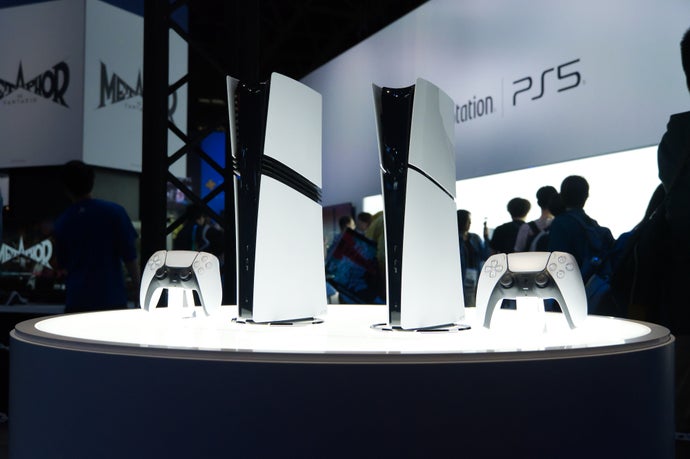

Sony Group Corporation is reportedly considering a significant delay to the launch of its next-generation PlayStation console, with a potential release window now pushed to 2028 or 2029. This strategic reassessment is a direct response to a severe and ongoing global shortage of high-performance memory chips, a crisis largely fueled by explosive demand from the artificial intelligence industry.
The Core Issue: A Scramble for Memory
The technology sector is currently grappling with a critical bottleneck in the supply of advanced memory components, such as high-bandwidth memory (HBM) and GDDR6. These chips are essential not only for gaming consoles but also for the servers that power generative AI applications and large language models. As AI companies invest billions to secure these components, consumer electronics manufacturers, including those producing smartphones, PCs, and gaming hardware, are finding themselves outmatched in purchasing power and allocation.
This supply constraint has created a highly competitive and strained market. Industry analysts note that chip fabrication capacity is finite, and manufacturers are prioritizing contracts for AI-related hardware, which command higher prices and larger volumes. Consequently, companies like Sony face longer lead times and potential cost increases for securing the necessary components for a mass-market product like a new game console.
Impact on Console Development Cycles
A delay to 2028 or 2029 would represent a notable extension of the traditional console lifecycle. The PlayStation 5 was released in November 2020, following the PlayStation 4’s 2013 launch, a seven-year gap. The reported new timeline could stretch the PS5’s generation to eight or nine years. Such an extension would likely influence game development, with publishers and studios potentially creating more enhanced titles for the existing PS5 and its rumored Pro variant, rather than transitioning to entirely new hardware.
This situation also highlights the increasing technological convergence between different sectors. The components that drive cutting-edge AI research are the same ones required to deliver the graphical fidelity and processing power expected from next-generation gaming. The competition for these resources is now a defining factor in product roadmaps across the consumer tech landscape.
Broader Industry Implications
Sony’s potential dilemma is not isolated. The entire consumer electronics industry is adjusting to this new market reality. The shortage affects production plans for a wide range of devices, forcing companies to redesign products, seek alternative suppliers, or postpone launches. For the gaming industry specifically, a delayed PS6 could have a stabilizing effect on the current generation’s ecosystem but may also slow the adoption of new gaming technologies and standards.
Market observers suggest that the situation may gradually improve as chip manufacturers, such as Samsung and SK Hynix, invest in new production facilities dedicated to advanced memory. However, building such fabrication plants is a multi-year process, meaning supply constraints are expected to persist for the foreseeable future.
Looking Ahead
While Sony has made no official announcement regarding the PlayStation 6‘s timeline, the company is known for its long-term strategic planning in hardware development. Industry reports indicate that Sony’s leadership is actively evaluating the supply chain landscape and weighing the risks of launching a flagship product without guaranteed component availability. The final decision on the console’s release schedule will depend on the evolution of the memory chip market through 2025 and 2026. In the interim, the focus for PlayStation may remain on expanding the PS5 platform through iterative hardware updates and continued software support.
Source: GamesIndustry.biz