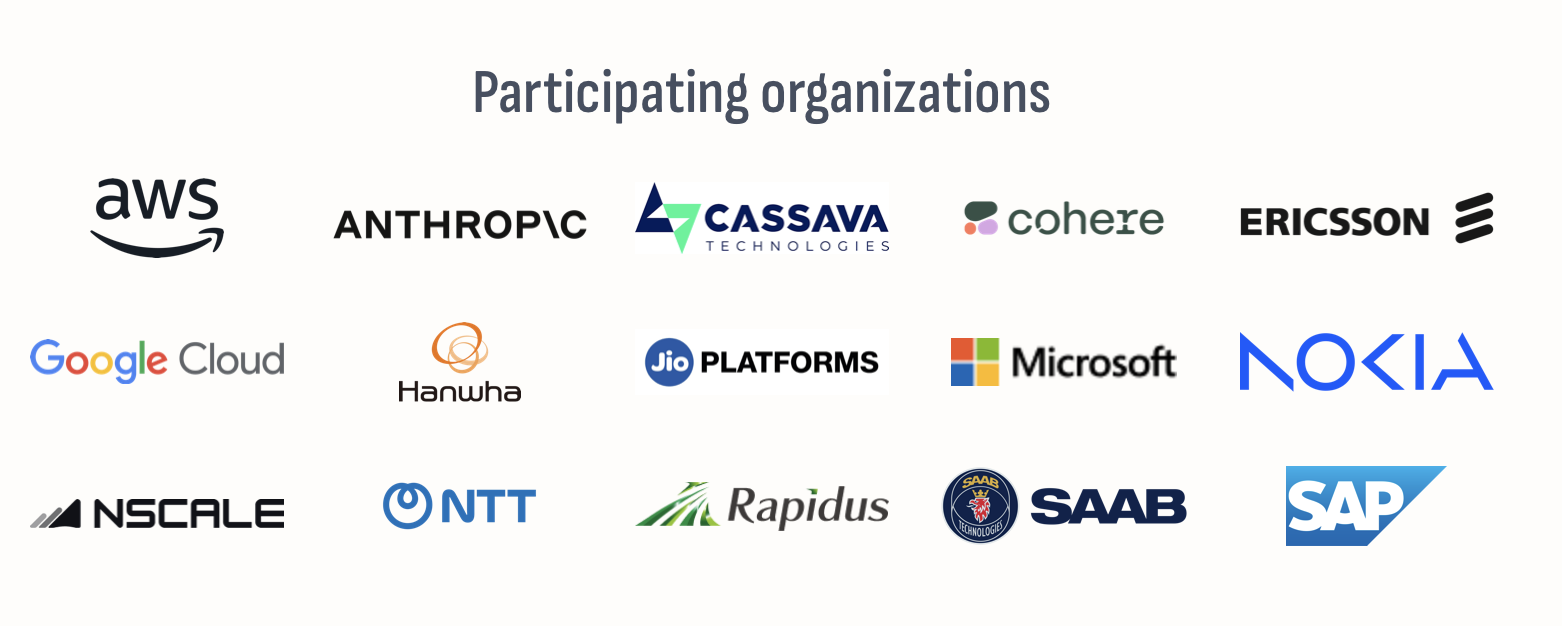

Fifteen global technology companies, including Nokia, Microsoft, Google Cloud, and Ericsson, have pledged to collaborate on establishing clearer security, transparency, and resilience standards across mobile and cloud infrastructure. The formation of the Trusted Tech Alliance was announced at the Munich Security Conference, signaling a push for tighter cooperation between network vendors, cloud providers, and artificial intelligence firms.
The alliance aims to develop shared principles around secure development practices, transparent governance, supply-chain oversight, and respect for data protection laws. This initiative highlights the growing convergence of telecommunications and AI infrastructure and seeks to reassure governments and enterprise customers about the integrity of the global digital stack.
Scope and Potential Impact
The Trusted Tech Alliance brings together companies from the connectivity, cloud infrastructure, semiconductor, and AI sectors. Its voluntary, principles-based framework could influence vendor selection and certification standards within supply chains, including for distributors, refurbishers, and resellers in markets like the United Kingdom.
Industry analysts note the alliance reflects increasing pressure on telecom operators to demonstrate trustworthiness amid AI expansion and cyber risks. For contracts involving private networks, smart infrastructure, and government connectivity, a unified security framework from major vendors could simplify procurement and compliance verification processes.
Executive Reactions
Nokia’s CEO, Justin Hotard, stated that AI is accelerating change across the technology stack and raising the bar for trust. “Networks and critical infrastructure must be secure, resilient, and interoperable by design,” Hotard said. “We’re joining with industry partners through the Trusted Tech Alliance to reinforce that foundation as intelligence scales globally.”
Ericsson’s CEO, Börje Ekholm, emphasized the collaborative nature of the challenge. “No single company or a country can build a secure and trusted digital stack alone,” Ekholm said. “Rather, trust and security can only be achieved together.”
Context: Post-Huawei Supply Chain
The alliance emerges in a context where many Western governments, including the UK, have moved to restrict equipment from certain vendors like Huawei from critical 5G networks. This has forced operators to diversify suppliers, increasing reliance on firms like Nokia and Ericsson. The Trusted Tech Alliance could reinforce confidence in these remaining vendors by formalizing standards for transparency and security.
The UK government has publicly emphasized building “resilient and secure” digital infrastructure, especially as public services become more dependent on advanced connectivity and AI. The alliance could help UK operators mitigate supply-chain disruptions by broadening the pool of certified, trusted vendors.
Forward Outlook
The impact of the Trusted Tech Alliance will depend on how rigorously its member companies adopt and enforce its principles. The group is expected to begin developing its detailed framework and governance models in the coming months. Observers will be watching for the publication of specific technical standards and certification processes, which will determine the initiative’s practical influence on global technology supply chains and enterprise security practices.
Source: Mobile News